



- Also called:
- Lou Gehrig disease or motor neuron disease
- Key People:
- Teepu Siddique
- On the Web:
- National Center for Biotechnology Information - Amyotrophic Lateral Sclerosis (Nov. 09, 2026)

amyotrophic lateral sclerosis
What is ALS?
What are the main types of ALS?
What are the early symptoms of ALS?
What causes ALS?
How is ALS diagnosed and treated?
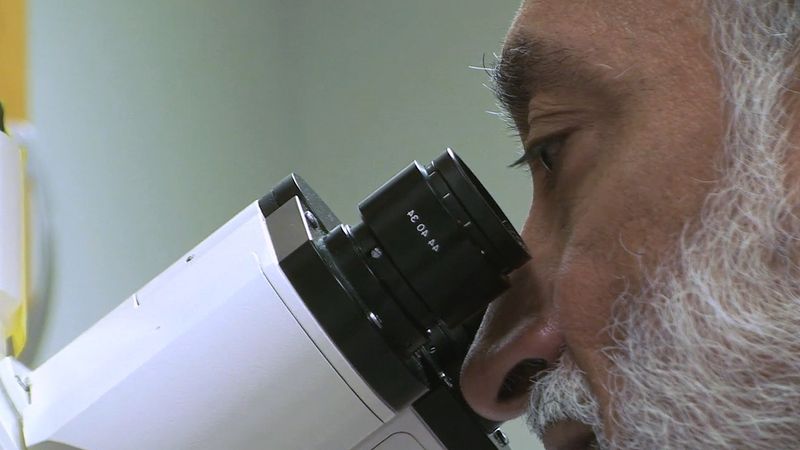
amyotrophic lateral sclerosis (ALS), progressive neurodegenerative condition characterized by the gradual loss of motor neurons—the nerve cells responsible for controlling voluntary muscle movement. As these neurons deteriorate and die, the brain can no longer effectively communicate with the muscles they innervate, leading to progressive muscle atrophy (wasting) and weakness and eventual paralysis.
Amyotrophic lateral sclerosis (ALS) is sometimes referred to as Lou Gehrig disease, after the American baseball player diagnosed with the condition in 1939. ALS most commonly develops after age 40 and is diagnosed more frequently in men than in women.
Course of the disease
- Sporadic ALS accounts for the majority of cases and occurs without a known family history.
- Limb-onset ALS, beginning with weakness in the arms or legs.
- Bulbar-onset ALS, beginning with speech and swallowing difficulties.
- Respiratory-onset ALS, very rare and aggressive, beginning with respiratory muscle weakness.
Early symptoms of ALS typically include weakness in the muscles of the legs or arms and cramping or twitching in the muscles of the feet and hands. Speech may be slurred as well. As the disease advances, speech and swallowing become difficult. Later symptoms include severe muscle weakness, frequent falls, breathing difficulty, persistent fatigue, spasticity, and intense twitching. The affected muscles are eventually paralyzed. Death generally results from atrophy or paralysis of the respiratory muscles. Most patients with ALS survive between three and five years after disease onset.



 " height="20" alt="HEW Logo">

Two rare subtypes of ALS are progressive muscular atrophy and progressive bulbar palsy. Progressive muscular atrophy is a variety of ALS in which the neuron degeneration is most pronounced in the spinal cord. Symptoms are similar to the common form of ALS, though spasticity is absent and muscle weakness is less severe. In addition, individuals with progressive muscular atrophy generally survive longer than those suffering from typical ALS. Progressive bulbar palsy is caused by degeneration of the cranial nerves and brainstem. Chewing, talking, and swallowing are difficult, and involuntary emotional outbursts of laughing and tongue twitching (a phenomenon known as pseudobulbar affect) and atrophy are common. The prognosis is especially grave in this form of ALS.
Causes of ALS
The majority of ALS cases are sporadic (not inherited) and of unknown cause. Approximately 5–10 percent of cases are hereditary; roughly 25 percent of these cases are associated with mutations occurring in genes known as FUS/TLS, TDP43, and SOD1.
Although the mechanisms by which genetic variations give rise to ALS are unclear, it is known that the protein encoded by FUS/TLS plays a role in regulating the translation of RNA to protein in motor neurons. This function is similar to that of the protein encoded by TDP43. Variations in both genes cause an accumulation of proteins in the cytoplasm of neurons, which is suspected to contribute to neuronal dysfunction. Defects in SOD1, which produces an enzyme known as SOD, or superoxide dismutase, appear to facilitate the destruction of motor neurons by harmful molecules known as free radicals (molecular by-products of normal cell metabolism that can accumulate in and destroy cells). ALS-associated mutations in SOD1 result in the inability of the SOD enzyme to neutralize free radicals in neurons.
ALS-associated mutations also occur in a gene known as UBQLN2, which encodes a protein called ubiquilin 2. Ubiquilin 2 plays an important role in recycling damaged proteins from neurons in the spinal cord and neurons in the cortex and hippocampus of the brain. Similar to mutations in FUS/TLS and TDP43, mutations in UBQLN2 result in the accumulation of proteins in neurons. However, unlike other known molecular pathologies associated with ALS, abnormalities in ubiquilin 2 have been identified in all forms of the disease—sporadic, familial, and ALS/dementia (which targets the brain)—and also have been implicated in other neurodegenerative diseases. The universal nature of ubiquilin 2 variants in ALS suggests that all forms of the disease share a common pathological mechanism.
The trusted destination for professionals, college students, and lifelong learners.
SUBSCRIBE


Diagnosis and treatment
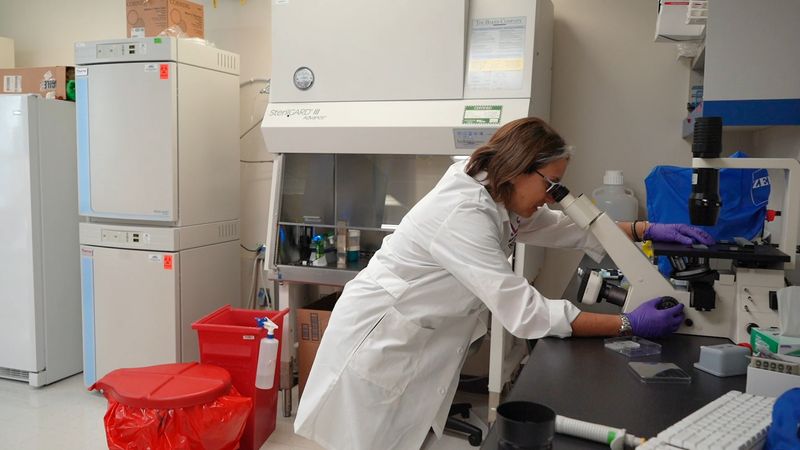
Genetic screening can identify carriers of gene mutations in families with a history of ALS. However, in most cases, diagnosis is based primarily on tests that rule out other neurological disorders, particularly in individuals who do not have a family history of the disease. Urine tests and blood analysis are commonly used when attempting to diagnosis ALS. Patients also may undergo electromyography, which records the electrical activity of muscle fibers, and nerve conduction studies, which measure the speed of neuronal conduction and the strength of neuronal signaling. In addition, some patients are examined by means of magnetic resonance imaging (MRI), which can provide information about brain structure and activity.
There is no cure for ALS. However, the progression of the disease can be slowed by treatment with a drug called riluzole. Riluzole can increase survival by at least two to three months. Other drugs that are available for ALS include edaravone, which limits cellular damage linked to the generation of free radicals and may help slow physical decline. Tofersen is a gene-targeted treatment specific for individuals with mutations in SOD1. Another drug, nuedexta, does not treat the disease itself but helps control uncontrollable episodes of laughing or crying.
A surgical treatment available to patients with advanced disease is tracheostomy, in which an opening is created in the trachea in order to enable connection to a ventilator (breathing machine). Patients also may choose to undergo physical therapy involving exercises to maintain muscle strength. In addition, speech therapy and the use of special computers and speech synthesizers can help maintain or improve communication.
Some persons affected by ALS carry a variation in a gene called KIFAP3 that appears to slow the rate of progression of the disease. In fact, in those persons with ALS who carry this genetic variant, survival may be extended by as much as 40–50 percent.