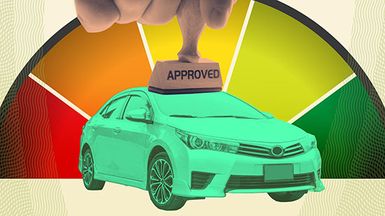
Looking for that stamp of approval.
© Brian Jackson/stock.adobe.com, © Suphansa/stock.adobe.com; Photo illustration Encyclopædia Britannica, Inc.
When you apply for loans and other financial products, you’ll probably agree to a credit check. The bank or lender wants to know that you can handle debt and that you have a solid history of making payments. It uses your credit score to determine whether you’re a good credit risk.
If you have a good credit score, you’re more likely to be approved for your loan and get a lower interest rate. With a poor credit score, you could wind up with a higher interest rate or even be denied the loan altogether.
Increasing your credit score isn’t complicated, but it does take time and dedication to paying bills on time and using credit wisely. But what kind of score should you be aiming for, anyway?
Key Points
- Credit scores are often grouped into ranges of excellent, good, fair, and poor.
- An “excellent” credit score provides access to most financial products at the best possible rates and terms.
- With a poor credit score, it can be difficult to access loans, especially at a competitive interest rate.
What are credit score ranges?
Lenders and other financial services providers use two major credit scores to gauge your ability to make regular payments: FICO and VantageScore. FICO is used more often than VantageScore, but each offers several versions, depending on the lender’s focus.
Your credit history creates a “story” of you.
Encyclopædia Britannica, Inc.
Both the FICO and VantageScore models feature scores of 300 to 850. The higher your credit score, the more attractive you are as a borrower. Depending on the scoring system, credit score ranges can generally be classified as poor, fair, good, very good, and excellent (or exceptional).
What is a good credit score? Breaking down the ranges
Credit score ranges aren’t set in stone. Experian, for example, considers a VantageScore “excellent” if it’s between 781 and 850, while FICO views a score of 800 and above as “exceptional.”
VantageScore vs. FICO
The three major credit reporting bureaus—Equifax, Experian, and TransUnion—created VantageScore through a joint venture in 2006 as a competitor to the FICO score. VantageScore assesses six factors instead of the five used by FICO, and places a higher value on your payment history and the length of your credit history.
Still, you can get a general idea of what to expect using FICO’s credit score ranges, which you’re most likely to encounter when applying for credit.
- Exceptional (800 or higher): Lenders view you to be at very low risk of defaulting on your debts. As long as you meet income requirements, you’ll likely be approved for a loan and get the best possible interest rate and terms.
- Very good (740 to 799): You’re dependable and likely to make your payments on time. You can usually get approved for most loans at competitive rates and terms.
- Good (670 to 739): This credit score range indicates that you’re on par with most borrowers and likely to fulfill your debt obligations. You can get approved for almost any loan you apply for. You can usually get good credit card and personal loan rates, but not the most attractive mortgage rates.
- Fair (580 to 660): You may get a loan, but lenders might be wary. A score in this range means you may have missed a payment or two, or have a high debt-to-income ratio. You’ll probably pay a higher interest rate.
- Poor (below 580): Lenders might worry you’ll pay late or default on your loan. It can be difficult to get approved for a loan, especially a mortgage. If approved, you will likely pay the lender’s highest interest rate.
You can get an idea of how lenders view you and figure out your chances of getting approved by checking a consumer credit website (such as Credit Karma or Credit Sesame) or getting a free score from your bank or credit card issuer. You can also pinpoint what you should improve to boost your chances of getting the loan you want.
Why an excellent credit score matters
Getting an excellent credit score takes persistence and planning, but it can be worth it, especially if you’re looking for a big loan (such as a mortgage). Having an excellent credit score qualifies you for any loan. As long as you meet other criteria, such as income, you can usually get the loan of your choice.
Credit score ranges and types of loans
Different types of loans come with differing credit score requirements. For example, you can get some personal loans or credit cards even with poor credit. But you usually need at least fair credit to qualify for a mortgage, and many home lenders prefer a good score.
Having an exceptional, very good, or good credit score can also save you money because you’ll get better interest rates, reducing the overall cost of your loan. A lower interest rate, especially on a large amount, can save you hundreds (or even thousands) of dollars during the term.
A higher credit score also provides easier access to financial products and services unrelated to loans or credit cards:
- Some states allow car insurance companies to base your premium on your credit score.
- You might have to pay a higher security deposit when you rent a home if you have a fair or poor credit score.
- Your credit score can affect access to utilities, Internet and cell phone service, and other items that don’t involve borrowing money.
How to improve your credit score
If your credit score could use a boost, these tips can help increase it:
- Pay on time. Make your payments on time and in full, including bills that aren’t debt. For example, if you miss too many utility payments, the company may report you to a credit bureau or send your account to collections, affecting your credit score.
- Reduce your debt, especially on credit cards. A major factor in your credit score is how much of your available credit you’re using, particularly on revolving lines of credit such as credit cards.
- Maintain different types of credit. Not all credit is the same. Having a credit card (revolving) and a student loan (installment) shows you can handle different types of debt.
- Don’t close old credit card accounts. If you use a credit card to rack up points, you may have an older one that goes unused. But don’t close the account. Use it to make occasional purchases or for small, recurring charges, such as video streaming services. Even if you don’t use the card frequently or use it only for big purchases, your score benefits from a long credit history.
- Challenge errors on your credit report. Misreported information can drag down your credit score. Review your credit report regularly and request that mistakes be fixed.
- Stick to a budget. Track your spending and create a budget that allows you to live within your means. That way, you’re less likely to fall behind on bills and be reported to the credit bureaus.
With planning and attention to how you use credit and debt, it’s possible to get a very good or excellent credit score.
Your credit score has a big impact on your financial life. Lenders use the number to assess your ability to manage debt, affecting your chances of loan approval and the interest rates you’re offered.
Scores in the good to excellent range (670 to 850) are viewed more favorably. They provide you with more options and ensure better deals on most financial products and services. A lower score may lead to higher costs or denial of credit.
Improving your credit score involves paying bills on time, keeping debt manageable, and using various credit types wisely. Check your credit report regularly for errors and keep older credit accounts active. Achieving a high credit score may take some work, but it can save you money in the long run.
This article was most recently revised and updated by Miranda MarquitThis article was most recently revised and updated by David Schepp