
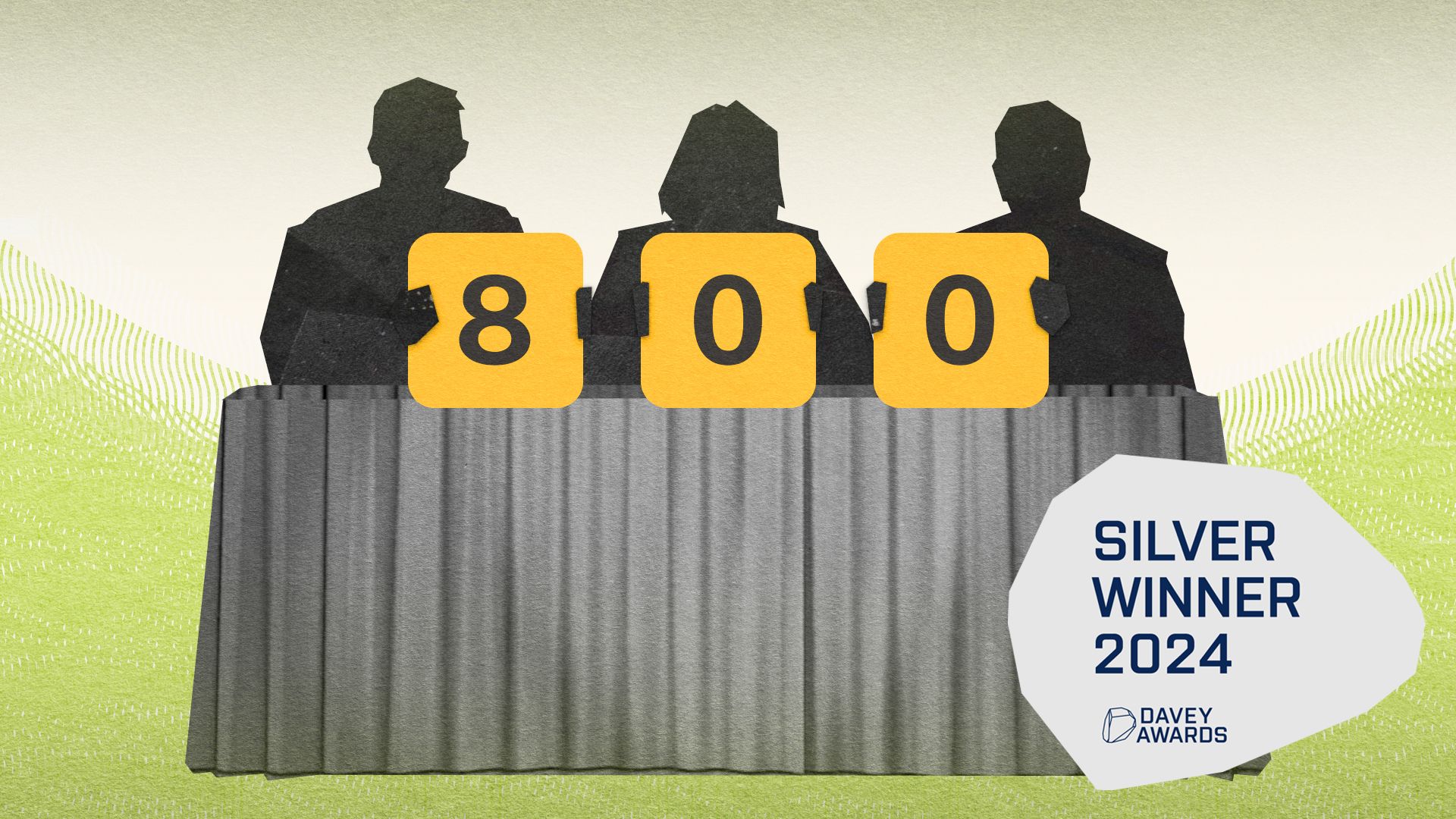
How do credit scores work?
Your credit history creates a “story” of you.
Encyclopædia Britannica, Inc.
Media Editor:
Miranda Chabot
-
Encyclopædia Britannica, Inc.Rosalynn Carter was the most active first lady since Eleanor Roosevelt.
-
Encyclopædia Britannica, Inc.On June 12, 1967, the U.S. Supreme Court struck down a Virginia law banning interracial marriage.
-
Encyclopædia Britannica, Inc.Teddy Roosevelt's intervention in a 1902 coal miners' strike had a lasting impact on the American labor movement.
-
Encyclopædia Britannica, Inc.Instead of depositing and withdrawing money whenever you wish, a CD is a “timed” account.Media Editor: Miranda Chabot
-
© University of Melbourne, Victoria, Australia (A Britannica Publishing Partner)Discover how the collaboration between the diverse fields of accounting and botany is leading to a better understanding of carbon sequestration by trees.
-
© Open University (A Britannica Publishing Partner)Learn how public debt rescued banks in the financial crisis of 2007–08.
-
Encyclopædia Britannica, Inc.Interest can quickly turn a credit card balance into costly debt.





Transcript
When it comes to money, are you responsible and trustworthy?
The answer isn’t necessarily about what you think. It’s the opinion of banks, utilities, landlords, and credit card companies that matters. And how do you know what they think about you?
Your credit score.
Here’s how it works. Three credit bureaus—Experian, Equifax, and TransUnion—collect data from lenders, creditors, and other financial entities to create a “story” of you and your credit history called a credit report.
Do you pay your bills on time?
Have you ever missed a payment, or worse, defaulted on a loan?
How much of your available credit are you currently using?
How old is your oldest loan or credit account?
Have you applied for new credit recently? Just about anytime you make a sizable financial transaction or agreement—apply for a loan, rent an apartment, or even land a job—the banker, landlord, or employer will likely request a copy of your credit report from one or more of the bureaus. Your financial history is also used to crank out a credit score. The most common is the FICO score, which is on a scale from 300 (the low end of “bad”) to 850 (the high end of “excellent”). If you want the best deals on mortgages, loan rates, and even car insurance—or if you’ve been turned down for a loan or apartment lease—work to raise that credit score. How? By establishing a history of good credit habits. Get a few credit cards, use them wisely, and pay them off in full every month.
Do the same with a fixed-payment loan such as an auto loan.
Pay your bills—utilities, streaming services, gym membership—on time and in full, every month.
Keep at least one credit account open for a long time. And finally, monitor your credit score. Federal law allows you one free credit report each year at annualcreditreport.com. Check it for accuracy; any errors (including identity theft) can drag down your score. Want to take control of your finances? Start with your credit score.
Have you ever missed a payment, or worse, defaulted on a loan?
How much of your available credit are you currently using?
How old is your oldest loan or credit account?
Have you applied for new credit recently? Just about anytime you make a sizable financial transaction or agreement—apply for a loan, rent an apartment, or even land a job—the banker, landlord, or employer will likely request a copy of your credit report from one or more of the bureaus. Your financial history is also used to crank out a credit score. The most common is the FICO score, which is on a scale from 300 (the low end of “bad”) to 850 (the high end of “excellent”). If you want the best deals on mortgages, loan rates, and even car insurance—or if you’ve been turned down for a loan or apartment lease—work to raise that credit score. How? By establishing a history of good credit habits. Get a few credit cards, use them wisely, and pay them off in full every month.
Do the same with a fixed-payment loan such as an auto loan.
Pay your bills—utilities, streaming services, gym membership—on time and in full, every month.
Keep at least one credit account open for a long time. And finally, monitor your credit score. Federal law allows you one free credit report each year at annualcreditreport.com. Check it for accuracy; any errors (including identity theft) can drag down your score. Want to take control of your finances? Start with your credit score.