
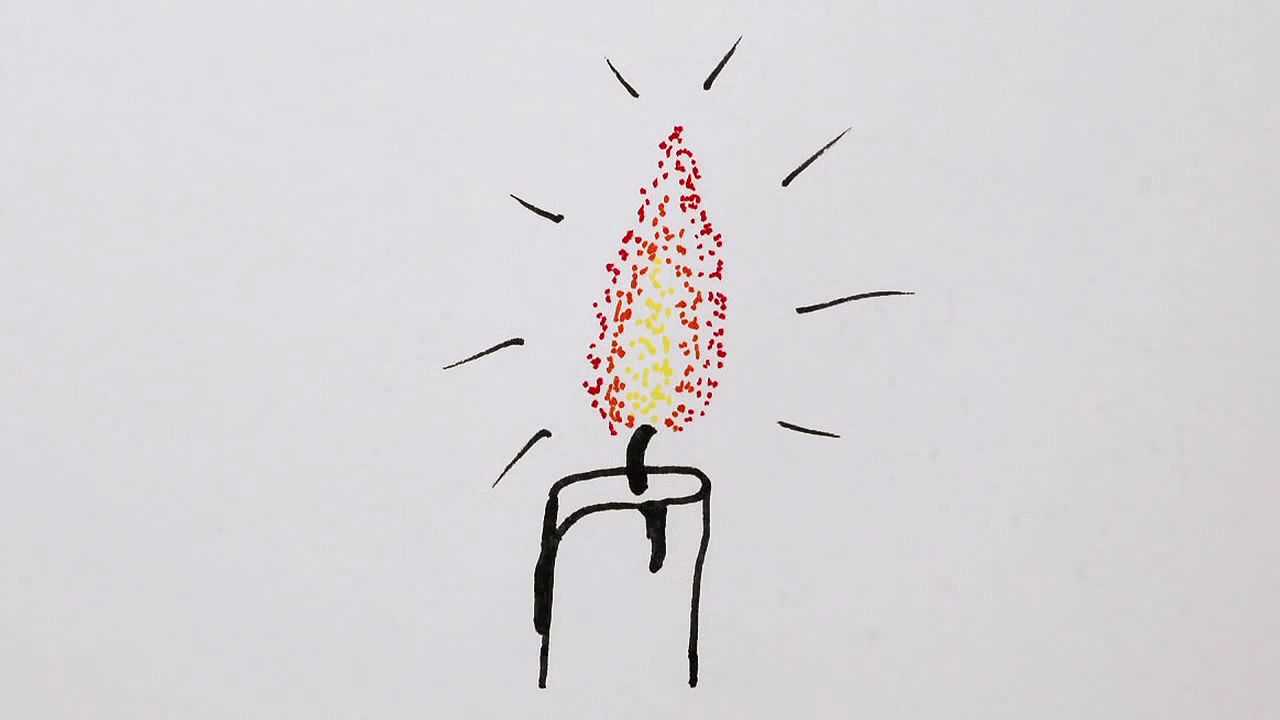
Discover why flames have different colors and shapes
Learn about the color, shape, and movement of fire.
© MinutePhysics (A Britannica Publishing Partner)
-
Contunico © ZDF Studios GmbH, MainzOverview of mint, including its cultivation, culinary and medicinal uses, history and mythology, and appearance under the microscope.
-
© Ruben Duro/Science SourceA light micrograph is used to capture footage of the tiny tardigrade, or water bear.
-
NASA/Goddard Space Flight Center and the National Center for Supercomputing ApplicationsInfrared technology changes what we can see in space.
-
Encyclopædia Britannica, Inc.Protecting against natural disasters requires a multipronged approach.
-
Encyclopædia Britannica, Inc.Explanation of the periodic table.
-
Encyclopædia Britannica, Inc.Thousands of years ago, a monster named Nian prowled the Chinese countryside...
-
© University of Melbourne, Victoria, Australia (A Britannica Publishing Partner)Learn about a computer program used by Australian firefighters to predict the paths of wildfires.




News •
Fire breaks out at Nepal hotel along route to Everest base camp
• Oct. 30, 2026, 3:00 AM ET (Straits Times)
27 commercial vehicles damaged in $3.5 million Charles County fire, state investigators say
• Oct. 19, 2026, 5:00 AM ET (The Baltimore Sun)
Transcript
We know that fire results from the combustion of organic material and oxygen. But don't you still sometimes wonder what fire is? Why are gas flames blue, and wood fire orange? And why do flames move in such a mesmerizing way? Chemistry may tell us the recipe for combustion, but the light show is all physics.
When a flame burns cleanly like a gas flame, blow torch, or the base of a candle, the heat excites the molecules to release light, usually pale blue, from atomic transitions. That's from quantum mechanics. Now when the fuel isn't as pure and doesn't entirely burn like wood fire, coal fire, or the top of a candle flame, there's still some blue light.
But you don't see it, because it's overpowered by light from all the particles of soot and smoke. They're glowing red hot. So why do hot objects glow? A process called blackbody radiation makes all objects glow with light of a color depending on their temperature. The reason that you don't see your friends glowing though, is because we're too cool to glow with the visible light. We glow in infrared.
But lava, a hot piece of iron, or soot in a flame, are all hot enough to glow with that familiar red-orange light. And the reason flames are shaped like tongues snaking skywards? Gravity. The earth's pull is what makes hot air rise. And this convection shapes flames into their familiar form. If you light a match in zero gravity, the flame spreads outwards like a balloon. There's nothing to tell it which way to go. So it goes in all directions.
Last Modification: