
Britannica
Sources used in this answer
How did the need for trade and warfare lead to different ship designs?
Created from Britannica articles
using AI.
AI can make mistakes, so verify using Britannica articles.
boat
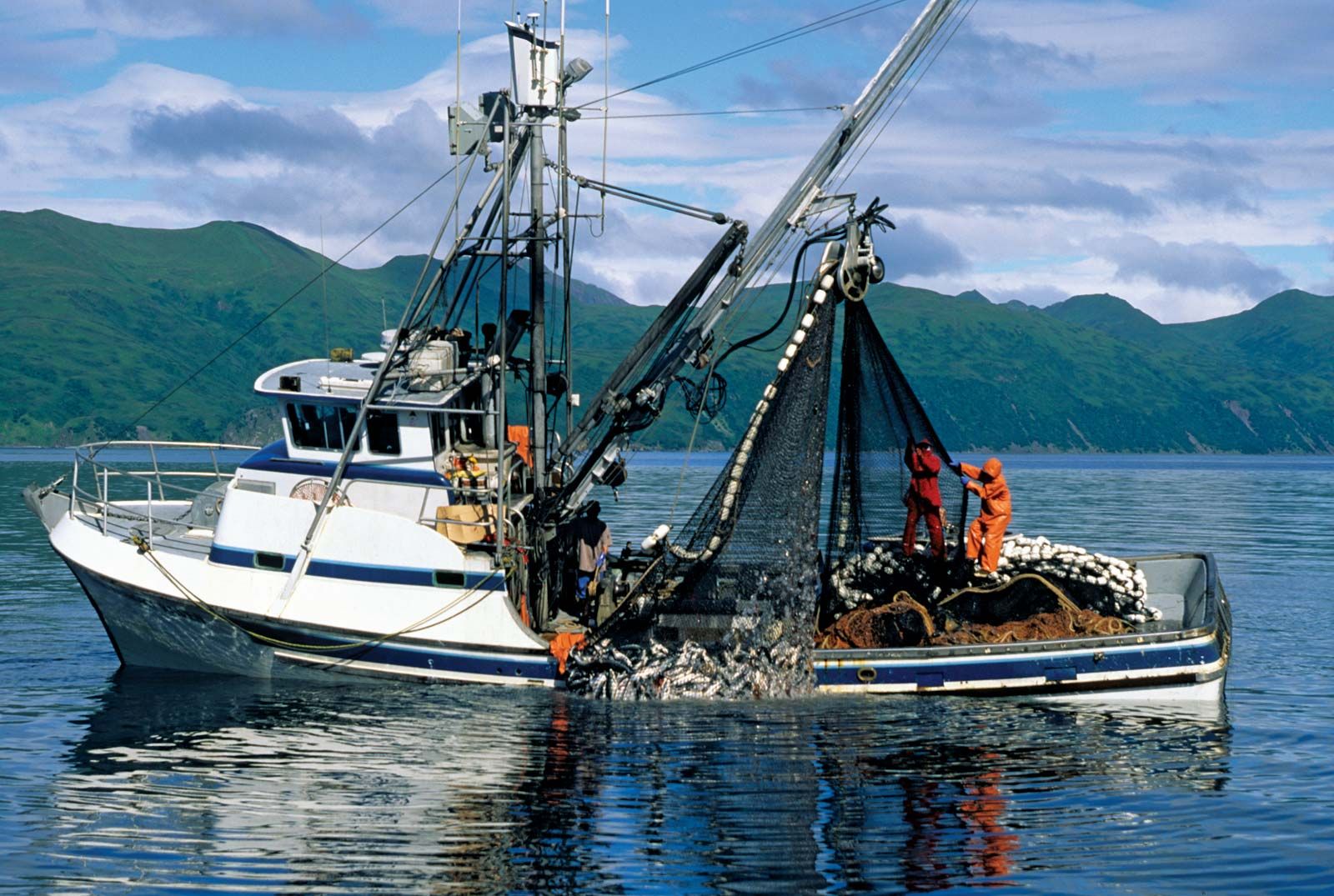
A commercial salmon-fishing boat in Alaska.
The design of ships has historically been driven by the distinct requirements of trade and warfare, necessitating a constant process of compromise in naval architecture.12
Trade vs. Warfare Design
- Trading Vessels: The primary goal for merchant ships was to maximize tonnage while minimizing crew size and operating costs. These vessels were typically designed with a "round" hull shape to provide stability and cargo capacity. They also required increased freeboard to protect cargo from sea swells.3
- Warships: Naval warfare demanded speed, maneuverability, and space for fighting men. Consequently, the standard design for warships became long and narrow, often utilizing oars for propulsion to ensure the ability to maneuver in any direction regardless of wind conditions.3
Evolution of Specialization
In earlier eras, merchant ships were often adapted for war by adding temporary wooden castles to serve as platforms for archers. However, as the scale of trade grew and the use of gunpowder increased, the requirements for these roles diverged. Specialized naval ships were developed to protect merchant convoys, leading to the distinct evolution of the modern warship and cargo ship.435