

- Related Topics:
- hikikomori
- personality disorder
- On the Web:
- Social Sci LibreTexts - Avoidant Personality Disorder (Nov. 01, 2026)

avoidant personality disorder
-
What is avoidant personality disorder?
Avoidant personality disorder (AVPD) is a mental disorder characterized by an intense fear of rejection, criticism, or humiliation, leading to the avoidance of social situations and interactions. Individuals with AVPD often have low self-esteem, feel inadequate, and are hypersensitive to others' perceptions. While they desire close relationships, their fear of rejection inhibits them.
AVPD is classified as a Cluster C personality disorder, marked by anxious and fearful thinking and behavior. It is estimated that 2.4 percent of people in the United States live with this disorder, with similar incidences in men and women. Causes are thought to be a combination of genetic and environmental factors, such as childhood rejection. Treatment typically involves psychotherapy, such as cognitive behavioral therapy, and sometimes medication.
2 Britannica SourcesCreated from Britannica articles using AI. AI can make mistakes, so verify using Britannica articles. -
What are the main signs and symptoms of avoidant personality disorder?
Individuals with avoidant personality disorder (AVPD) experience profound feelings of personal inadequacy and are highly sensitive to criticism or rejection in social situations. Key signs include:
- Fear of negative evaluation: Intense worry about being judged, humiliated, or criticized by others.
- Social avoidance: A tendency to avoid social interactions, work activities involving interpersonal contact, and meeting new people due to this fear.
- Low self-esteem: A pervasive sense of being socially incompetent, inferior, or unattractive.
- Inhibited behavior: Appearing shy and tense in social settings, often making themselves less noticeable.
- Reluctance to engage: Hesitation to become involved with others unless assured of unconditional acceptance.
- Emotional restraint: Difficulty expressing feelings in close relationships for fear of negative reactions.
Despite a strong desire for companionship, these individuals often lead socially withdrawn lives.
2 Britannica SourcesCreated from Britannica articles using AI. AI can make mistakes, so verify using Britannica articles. -
How is avoidant personality disorder different from being shy?
While shyness is a common human experience, avoidant personality disorder (AVPD) is a more severe mental health condition. Shyness is characterized by discomfort or inhibition in social situations, but individuals can often overcome it. AVPD, on the other hand, involves an intense and pervasive fear of rejection, criticism, or humiliation, leading to the deliberate avoidance of social interactions.
People with AVPD experience deep feelings of inadequacy and low self-esteem, believing they are socially incompetent or unattractive. This fear can significantly impair their ability to form relationships and engage in work or other activities, often leading to prolonged distress and isolation. While shyness may lessen with age, AVPD is a persistent pattern of thinking and behaving that requires professional treatment.
2 Britannica SourcesCreated from Britannica articles using AI. AI can make mistakes, so verify using Britannica articles. -
What causes avoidant personality disorder?
Avoidant personality disorder (AVPD) is a mental disorder characterized by an intense fear of rejection, criticism, or humiliation, leading to the avoidance of social situations. While the exact causes are not definitively identified, both genetic and environmental factors are considered potential contributors. Children who experience rejection or marginalization from parents or peers may be more likely to develop AVPD. Some evidence suggests a hereditary component, but specific genetic factors are still under investigation. This disorder is classified as a Cluster C personality disorder, marked by anxious and fearful thinking and behavior.
3 Britannica SourcesCreated from Britannica articles using AI. AI can make mistakes, so verify using Britannica articles. -
How can avoidant personality disorder affect a person's daily life?
Avoidant personality disorder (AVPD) significantly impacts daily life by causing individuals to intentionally avoid social situations due to a fear of rejection, criticism, or humiliation. This can severely restrict employment and intimate relationships. People with AVPD often experience low self-esteem, feelings of inadequacy, and hypersensitivity to others' perceptions. They may avoid work activities involving interpersonal contact, hesitate to get involved with others unless assured of acceptance, and show excessive emotional restraint. This can lead to isolation, depression, and substance abuse, as they often lack a strong social support system to encourage treatment.
2 Britannica SourcesCreated from Britannica articles using AI. AI can make mistakes, so verify using Britannica articles. -
What kinds of treatments or support can help people with avoidant personality disorder?
Treatments for avoidant personality disorder (AVPD) are typically long-term and focus on helping individuals overcome their fears and negative self-perceptions. Psychotherapy is the primary form of treatment, aiming to address self-defeating thoughts and improve social and communication skills through methods like cognitive behaviour therapy. In conjunction with psychotherapy, mental health professionals may prescribe antidepressants or antianxiety drugs to manage co-occurring symptoms of depression or anxiety.
2 Britannica SourcesCreated from Britannica articles using AI. AI can make mistakes, so verify using Britannica articles.
avoidant personality disorder (AVPD), mental disorder characterized by the intentional avoidance of social situations or interactions because of fear of rejection, criticism, or humiliation. Avoidant personality disorder (AVPD) is a type of personality disorder—that is, a pervasive, enduring, maladaptive, and inflexible pattern of thinking, feeling, and behaving that either significantly impairs an individual’s social or occupational functioning or causes the person distress (see also mental disorder: Personality disorders). AVPD, which is often diagnosed in early adulthood, typically results in long-term distress and suffering. Unless a person with AVPD seeks treatment, the disorder may severely restrict all aspects of the person’s life, including employment and intimate relationships. Extreme social avoidance, to the point of staying isolated at home for at least six months without social interaction, is called hikikomori.
Characteristics
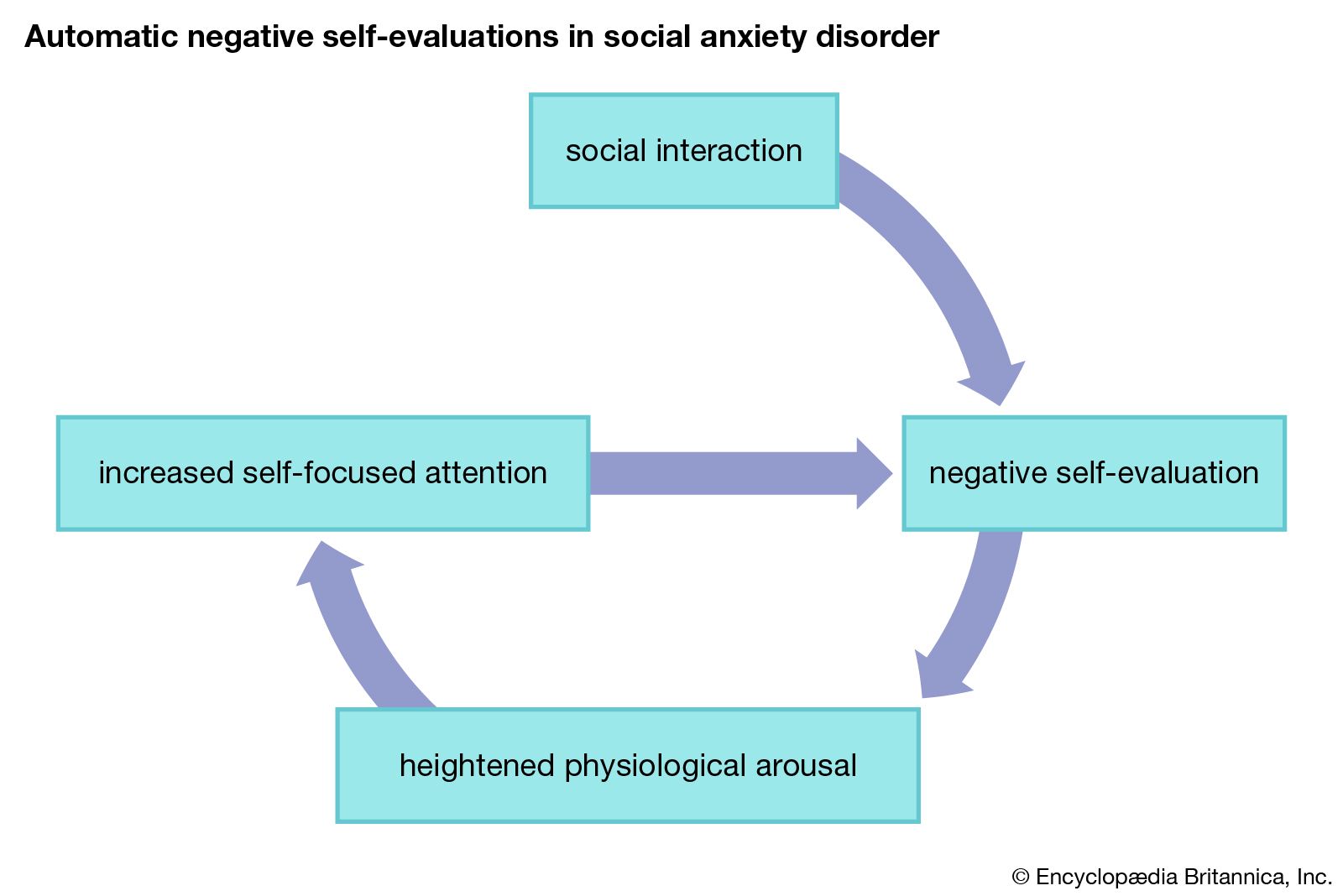
In the fifth edition of the Diagnostic and Statistical Manual of Mental Disorders (DSM-5), and in earlier editions of that work, AVPD is classified as a “Cluster C” personality disorder. The three disorders in that group—AVPD, dependent personality disorder (characterized by the willing surrender to others of control over major areas of one’s life), and obsessive-compulsive personality disorder (characterized by the experience of obsessions or compulsions or both)—are typified by anxious and fearful thinking and behaviour. Mental health professionals disagree about whether AVPD is wholly distinct from certain other disorders, including social anxiety disorder, a type of anxiety disorder characterized by a fear of interacting with people due to worries about the possibility of being negatively scrutinized and judged by them.
An estimated 2.4 percent of people in the United States live with avoidant personality disorder. The incidences of the disorder among men and women are similar. AVPD may become less pronounced as a person ages.



 " height="20" alt="HEW Logo">

People with avoidant personality disorder have low self-esteem. They experience feelings of inadequacy, inferiority, and unattractiveness. They are hypersensitive to how others perceive them and the impressions they make on others. They desire to have close relationships with others but are often inhibited from doing so by their fear of rejection. Because they find social situations so stressful, people with AVPD develop maladaptive coping skills, including simply avoiding interaction with people as much as possible. Their tendency to be tense and anxious in social situations generally undermines their ability to connect with others.
Both nature and nurture—i.e., both genetic and environmental factors—are possible causes of avoidant personality disorder. Children who are rejected or marginalized by their parents or peers may develop AVPD. Although there is some evidence of a hereditary component to AVPD, the genetic factors involved have yet to be definitively identified.
Diagnosis
AVPD is usually not diagnosed in people younger than 18 years of age, because the personalities of children are still developing. Before diagnosing a person with AVPD, mental health professionals take care to eliminate the possibility that the patient’s symptoms are indicative of a medical problem, another mental disorder, or substance abuse.
According to the DSM-5, a diagnosis of AVPD requires the identification of at least four of the following symptoms:
The trusted destination for professionals, college students, and lifelong learners.
SUBSCRIBE


- Avoidance of work activities that involve interpersonal contact, such as meetings. People with AVPD may avoid job interviews because they fear that they will do something inappropriate, and they may turn down job promotions because they fear criticism from their colleagues.
- Reluctance to become involved with others. People with AVPD avoid involvement with others unless they are sure that the others will like and accept them as they are.
- Excessive emotional restraint even in close relationships. People with AVPD are afraid to talk about their feelings for fear of being criticized, shamed, or humiliated.
- Excessive worrying about possible humiliating outcomes in social situations.
- Extremely shy behaviour in new social situations. People with AVPD often try to make themselves less noticeable.
- A low opinion of oneself as socially incompetent and as inferior or unattractive to others.
- Reluctance to participate in new activities and to meet strangers. People with AVPD often make excuses for why they cannot try new things, including by exaggerating the possibility of negative consequences.
Avoidant personality disorder can lead to isolation from others, which can then lead to depression and substance abuse. Because people with AVPD avoid social interactions, they usually do not have much of a social-support system to encourage them to find treatment.
People with AVPD often have other disorders as well, including major depressive disorder, dysthymia (a chronically depressed mood accompanied by one or more other symptoms of depression), bipolar disorder, or one of several types of anxiety disorders, such as panic disorder, social phobia, or agoraphobia. AVPD patients may also have another personality disorder, such as borderline, paranoid, obsessive-compulsive, schizoid, or schizotypal personality disorder. People with AVPD also often have dependent personality disorder, because their fear of meeting strangers causes them to rely heavily on the few close family members and friends they may have.
Treatment
Treatment for AVPD is usually long-term. The main form of treatment is psychotherapy, which can help patients overcome their fears and shed self-defeating thoughts and hurtful opinions of themselves. People with AVPD may also undergo cognitive behaviour therapy to strengthen their social and communication skills. In combination with psychotherapy, mental health professionals may also prescribe antidepressants or anxiolytics (antianxiety drugs).