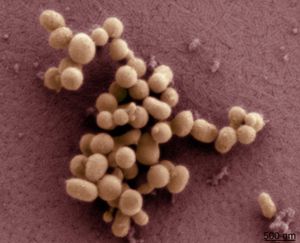
Mycoplasma laboratorium
Quick Summary
Mycoplasma laboratorium is a hypothetical artificial life-form conceived as part of synthetic biology research. The goal of synthetic biology is to create biological systems from basic components like DNA and proteins, functioning like biological factories or computers.1
In 2010, scientists at the J. Craig Venter Institute created the first functioning life-form with a synthetic genome, named M. mycoides JCVI-syn1.0. Building on this, researchers hypothesized the creation of M. laboratorium, a minimal cell with a genome of approximately 381 genes, believed to be the minimum necessary for life. This artificial organism was intended to serve as a chassis for adding genes to create customized bacteria for purposes such as producing new fuels or acting as environmental cleaners. Mycoplasma are among the smallest known bacteria and lack cell walls.12
Ask Britannica AI about this topic
Britannica doesn't have a full article on this topic, so we've curated a list of our relevant coverage.