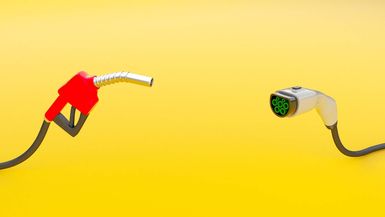
Gas or electric: That’s one of many decisions you’ll make in the car-buying process.
© ADragan—iStock/Getty Images
Figuring out how to buy a car means looking beyond the 0-to-60 acceleration time, or how many miles a battery can go. It’s about deciding whether you really need new wheels, understanding what you can afford, and knowing how to choose between a used car and a new one.
Cars are so ingrained in American culture that it’s hard to keep popular imagery out of your decision. The idea of a new car might evoke memories of a college road trip or scenes of movie stars speeding down the highway, but that sense of romance can sometimes lead buyers to spend more than they can afford.
Key Points
- Buying a car means a host of decisions beyond “fun” stuff like color, creature comforts, gas mileage, or battery range.
- You have to decide on used vs. new and learn about depreciation, insurance, loans, and more.
- Supply issues and general inflation have driven new and used car prices to record levels.
It’s easy to focus on style or performance—whether you want a sleek sedan, a roomy SUV, or an electric model—but it’s just as important to think about value, insurance, and depreciation.
Choosing the right car: budget, features, and fuel type
Before kicking any tires, ask yourself a few questions:
Do you really need to replace your current vehicle?
Don’t let envy of your friend’s shiny new car influence your decision. Today’s cars tend to last longer than ever, with the average owner keeping their vehicle more than a decade. If your car is newer, be honest about whether you really need to replace it. For example, if repair costs are starting to add up—to the point that they cost more than a car payment each month—that could be a good reason.
Should you buy an electric car?
When gas costs spike, electric vehicles (EVs) become tempting. Remember, though, that electrics tend to cost more, and it may take many years of fuel savings to break even. Most new electric vehicles are priced well in excess of $40,000, and the EV tax deduction that helped make purchasing an EV affordable expired in September 2025. If you want to save gas, you might consider a used hybrid, which should be less expensive and easier to finance.
What features do you need?
Does your current car lack modern safety features like a backup camera, blind-spot indicators, or lane-change assist? Those might be good reasons to replace a vehicle, especially if you’re buying one for a young driver like your teen or college-aged child, or if you’re in a neighborhood where lots of children play.
As costs rise, what you could afford last year may no longer be achievable. Affordability should include how much you can put down, as well as the monthly payment. Many financial experts suggest dedicating no more than 10% to 15% of your monthly budget on car payments.
Will it add to insurance costs?
Auto insurance costs are calculated by factors such as make and model, driving record, age, how many miles you drive, location, and sometimes gender—though some states prohibit insurers from using gender to set rates. A cheaper car that’s less likely to be stolen or need expensive repairs might save you on insurance, and an older used car may not need collision coverage (although you may get dinged if it lacks modern safety features). Compare insurance costs before buying a car.
Prices for new cars have steadily climbed over the past few decades, with an average price (as of 2025) of about $48,700. Used car prices soared during the COVID-19 pandemic, but have since moderated. As of June 2025, the average price for a used car was $18,234, and hybrid/electric vehicles averaged $31,494, according to Carfax, a provider of vehicle history reports.
That old saying—car depreciation begins the minute you drive it off the lot—is still a fact, so decide if that new car smell is really worth the extra cash. A used car has already had its biggest depreciation, so if you find one that’s a few years old with relatively low mileage, it might be your sweet spot. But a used car might hit you with early repair costs, so be sure to check its history, including the little things, such as how much tread is left on the tires and when the battery was last replaced.
How will you use the car?
For an “around-town” car, you might want something small and easy to park. If you’re doing lots of long trips, fuel economy and comfort become key. Many consumers spend extra on SUVs or crossovers because they’re stylish and carry lots of luggage. But these truck-like cars tend to be more expensive and get poorer gas mileage ratings. Before jumping on the bandwagon, consider whether a small sedan would suit your needs just as well.
How to compare car prices and listings
Create a spreadsheet of cars that meet most of your needs and prioritize by “must have,” “really want,” and “wow, this would be cool.” Good resources include Consumer Reports, Edmunds, Kelley Blue Book, or the popular car magazines that review and compare models.
How much car can you afford? Use a loan calculator to help you estimate payments.
Next, use a car affordability calculator. Before you shop, get a baseline estimate using a loan calculator. Start with a round number or average, say a $20,000 loan at 5% interest, spread over five years. Is $377 a month doable? And remember: The lower your credit score, the higher your interest rate will be.
Most cars can be priced online, allowing you to “build” your model with selected features and paint color and steer you to a nearby dealer who has it in stock. This can be helpful, but it’s easy to get carried away by exciting features you don’t really need. You can open the liftgate by waving your foot under the bumper? Looks great in the commercials, but is it worth $3,500? Heated, adjustable rear seats may sound great, but how often will someone sit back there?
Plus, the more you customize, the less bargaining power you’ll have. If you really want a shot at the best deal on a new car, stick to the packages with the most popular features, and those that have the most inventory on the lot. If the dealer has a dozen of the same car with the same features, they’ll be more willing to negotiate than if you absolutely, positively must have this one exact car.
Also, be wary of luxury packages that cost thousands of dollars and give you lots of features you don’t necessarily want. Some manufacturers let you get all the latest safety features only if you also purchase a package or pricier trim. Try to find a car where the most important safety features are included, but no more.
How to find and negotiate the best price
If you’re like many, price is a key consideration. Some auto manufacturers offer nonnegotiable prices. Others follow a more traditional approach, meaning dealers will haggle with you. Look for auto sales and factory incentives, because some seasons of the year tend to be better than others.
These days, there’s no shortage of online resources to tell you average sales prices of new cars, safety and performance ratings, and resale value projections. If you’re buying used, you can check the history of a prospective vehicle by punching in the vehicle identification number (VIN).
Traditionally, new cars would come out in the fall and dealers would be eager to clear their lots of old models. This isn’t always true today, but generally people are less eager to run to the car dealer in the cold, gray winter months. You may not be enthusiastic, either, but it could be when bargains show up.
Once you’ve zeroed in on some possible new and used car choices, you might think the hard part is done. Sometimes, however, the most difficult decision is figuring out how to finance your car. How much of a down payment can you make, and what sort of interest rate might be available? Is financing through the dealer your best bet, or can you get better financing through your bank (or the Bank of Mom and Dad)? You’re closer to getting the keys to your wheels, but there are still a few laps before you reach the car-buying finish line.
This article was most recently revised and updated by Dan RosenbergThis article was most recently revised and updated by Doug Ashburn