
How did Ableton Live change the process of creating and mixing electronic dance music?
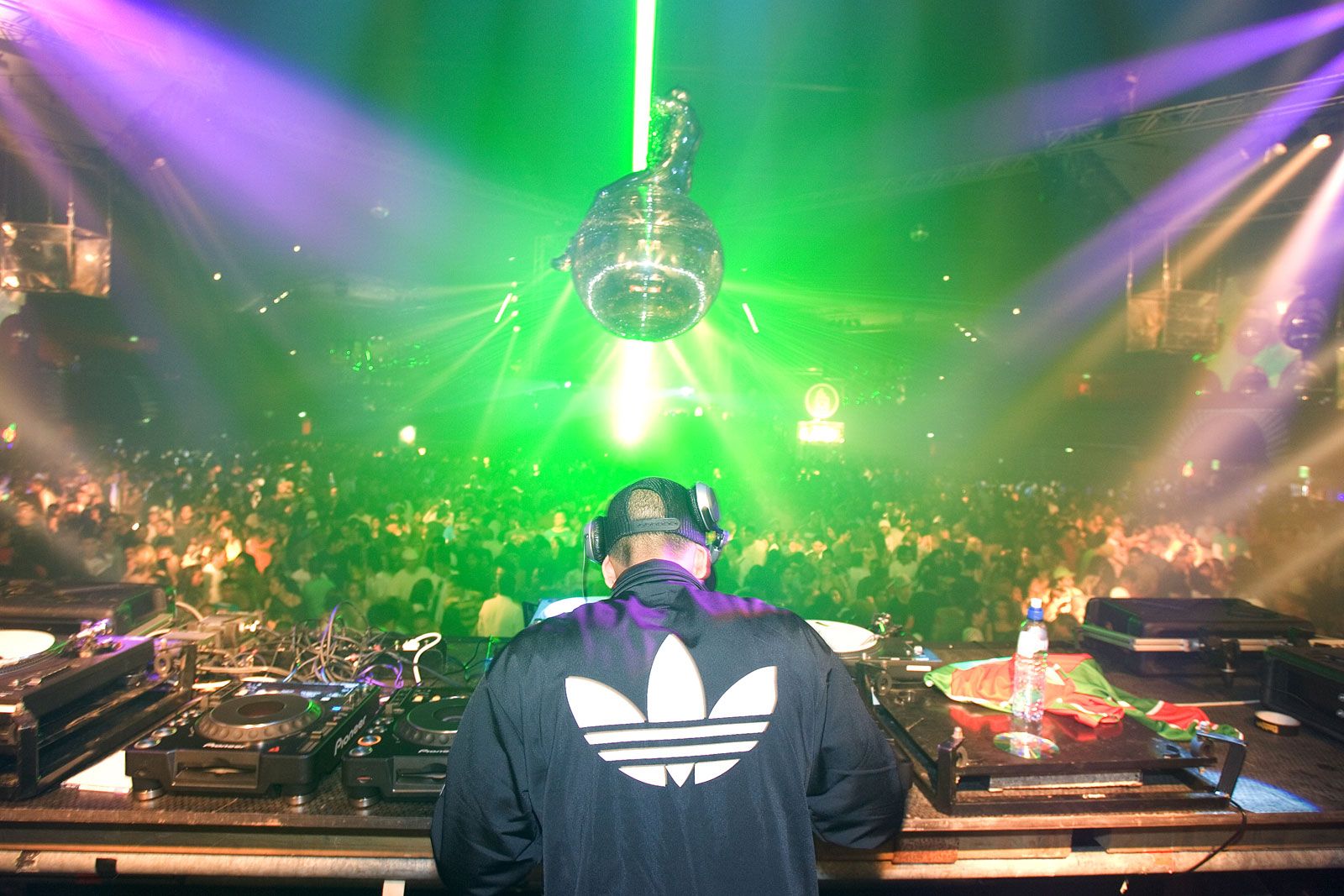
The introduction of Ableton Live in 2001 fundamentally transformed the production and performance of electronic dance music by shifting the focus from physical hardware to digital software.
Before its debut, DJing was largely restricted to vinyl records, requiring DJs to master the motor skills necessary for manual beatmatching and turntable manipulation. Ableton Live revolutionized this process by allowing users to compose, cue, and blend digital tracks using a visual waveform display. By digitizing these tasks, the software removed the technical barriers associated with traditional turntable performance, enabling a more fluid and accessible approach to mixing. This technological shift was part of a broader evolution in the early 2000s that moved the industry away from traditional vinyl-based methods toward digital integration.1