







Schnauzer
-
What is a Schnauzer?
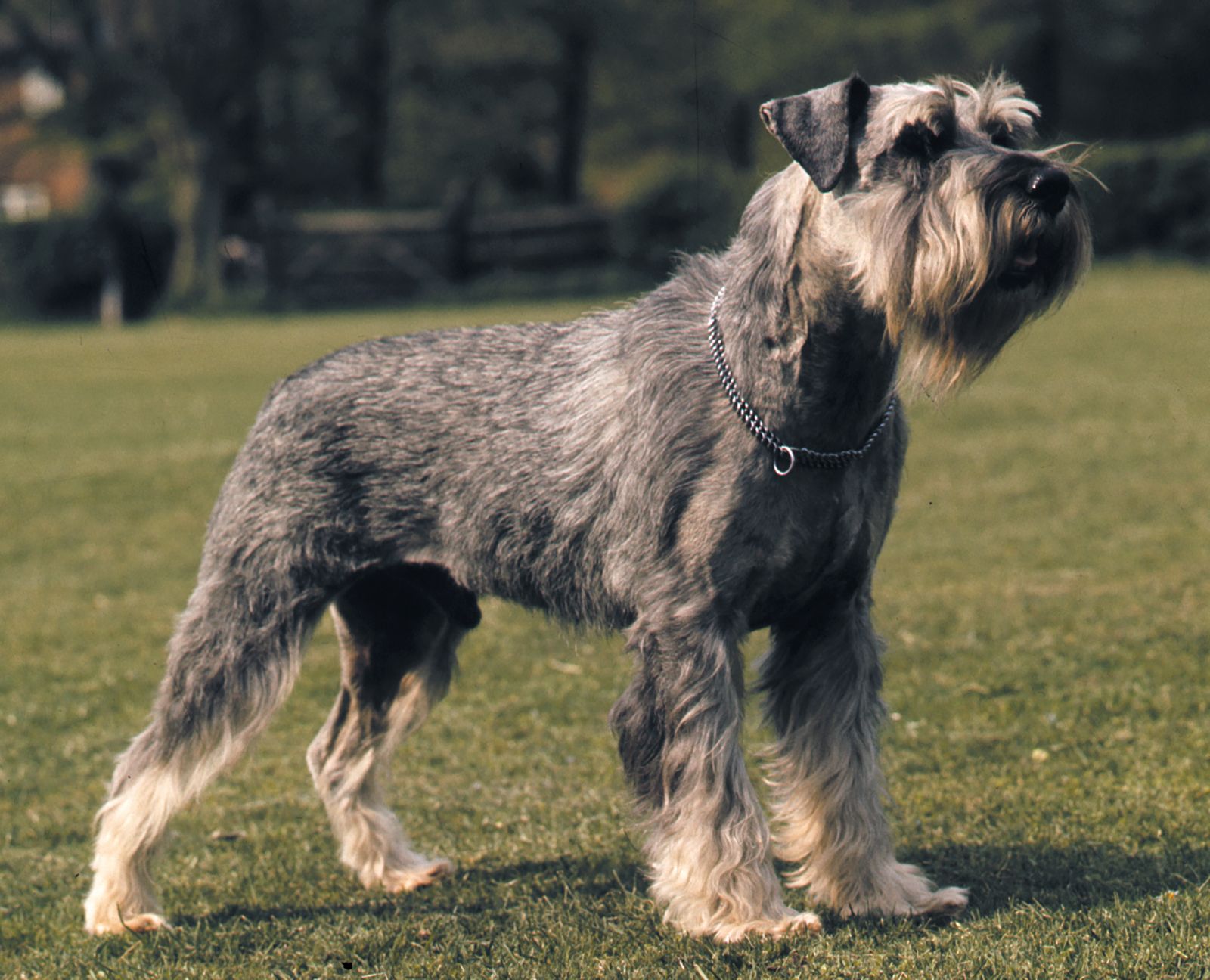
The Schnauzer is any of three breeds of German dog—Miniature, Standard, and Giant—known for their wiry coat, squared body, and whiskered muzzle (the name comes from the German word for "snout"). The Standard Schnauzer is the original stock. The Miniature Schnauzer was developed from the Standard, Affenpinschers, and Poodles, while the Giant Schnauzer was bred from the Standard and various working dogs, including the black Great Dane.
Schnauzers are not typical terriers in temperament, but the Standard and Giant have working-dog mentalities, making them courageous and protective watchdogs. All three types are active and playful and need regular exercise. Their wiry coats need considerable care, including regular washing and grooming.
1 Britannica SourceCreated from Britannica articles using AI. AI can make mistakes, so verify using Britannica articles. -
Where does the Schnauzer breed come from?
The Schnauzer breed originated in Germany and is noted for its wiry coat and whiskered muzzle. The name comes from the German word for "snout," schnauze. The Standard Schnauzer is the original stock from which the Miniature and Giant varieties were derived.
- Standard Schnauzer The Standard Schnauzer dates back to the Middle Ages. They served as guard dogs and ratters, prized for their courage and intelligence.
- Giant Schnauzer The Giant Schnauzer was developed in the 17th and 18th centuries by Bavarian cattlemen who desired a larger cattle dog. They crossed the Standard Schnauzer with working dogs and Black Great Danes.
- Miniature Schnauzer The Miniature Schnauzer was developed in the 19th century from small Standard Schnauzers, Affenpinschers, and Poodles.
2 Britannica SourcesCreated from Britannica articles using AI. AI can make mistakes, so verify using Britannica articles. -
What do Schnauzers look like?
The Schnauzer is a German dog breed with three size variations: Miniature, Standard, and Giant. They are known for their squared build, wiry coat, and whiskered muzzle (the name comes from the German word for "snout," schnauze).
Coat colors are typically black or salt and pepper. The coat needs regular grooming, including combing a couple of times per week, and bathing monthly. The beard should be washed daily.
- Miniature Schnauzer: 12–14 inches tall, 11–20 pounds
- Standard Schnauzer: 17.5–19.5 inches tall, 30–50 pounds
- Giant Schnauzer: 23.5–27.5 inches tall, 55–85 pounds
2 Britannica SourcesCreated from Britannica articles using AI. AI can make mistakes, so verify using Britannica articles. -
How many types of Schnauzers are there?
There are three Schnauzer breeds: the Miniature, Standard, and Giant. The Standard Schnauzer is the original from which the other two were derived. The Miniature Schnauzer was developed from small Standard Schnauzers, Affenpinschers, and poodles. The Giant Schnauzer was developed by Bavarian cattlemen who wanted a larger version of the Standard Schnauzer and crossed the original breed with various working dogs and Great Danes.
All three varieties can be wary toward strangers and unwelcoming to strange dogs, and they generally get along well with housemates. They may not be trustworthy with smaller pets unless raised with them.
1 Britannica SourceCreated from Britannica articles using AI. AI can make mistakes, so verify using Britannica articles. -
What are Schnauzers known for in terms of personality or behavior?
Schnauzers, originating in Germany, are known for their distinct personalities and behaviors. Standard and Giant Schnauzers have working-dog mentalities, making them courageous and protective, which explains why the AKC classifies them in the working group. They make excellent watchdogs. The Miniature Schnauzer is also bold and alert but not quite as protective.
All three sizes can be wary of strangers and unwelcoming to strange dogs, but they generally get along well with housemates. Schnauzers are playful, active, good with children, and learn quickly but can be stubborn.
1 Britannica SourceCreated from Britannica articles using AI. AI can make mistakes, so verify using Britannica articles. -
How do people care for and train Schnauzers?
Schnauzers need considerable coat care, including combing twice a week. Ideally, their harsh coat should be maintained by plucking out longer dead hairs. Many owners opt to have their Schnauzer professionally clipped every six weeks. The long beard should be washed regularly to rid it of food and saliva, and the rest of the coat needs bathing monthly. Like all dogs, the ears, eyes, teeth, and nails should be regularly checked and maintained.
All three sizes are fairly active and need about an hour’s worth of exercise daily. They enjoy walking, hiking, swimming, and nosing around. They do well in obedience, agility, lure coursing, tracking, and carting. Schnauzers learn quickly but can be stubborn.
1 Britannica SourceCreated from Britannica articles using AI. AI can make mistakes, so verify using Britannica articles.
Schnauzer, any of three breeds of dog—the Miniature, Standard, and Giant—developed in Germany and noted for their heavily whiskered muzzle, squared body, and hard, wiry coat of black or salt and pepper. The dog’s name stems from the German word for “snout,” schnauze. The Standard, or medium-sized, Schnauzer is the stock from which the other two breeds were derived. It is shown in paintings and in a statue dating from the 15th and 16th centuries. Originally a guard dog and ratter (a rat-catching animal), it was highly valued for its intelligence and courage. It is most popular as a guard and companion and has been used as a dispatch carrier, Red Cross dog, and police dog.

The Miniature Schnauzer—developed from small Standard Schnauzers, Affenpinschers and Poodles—was first shown as a distinct breed in 1899 but had been developed earlier. It resembles the Standard Schnauzer but is much smaller. Its coat is salt-and-pepper, silver and black, or black. Compact and strong, it is valued as an active, hardy pet.

The Giant Schnauzer, largest of the three breeds, was developed by Bavarian cattlemen who wanted a cattle dog like the Standard Schnauzer but larger. To produce such a dog, the Standard was crossed with various working dogs and, later, with the black Great Dane. The Giant Schnauzer, like the others, is a robust dog with a wiry coat. It is salt-and-pepper, black, or black-and-tan in color. Originally a cattle dog, it was later used as a butcher’s dog and a brewery guard. Since the beginning of the 19th century, it has been used extensively in German police work.


 " height="20" alt="HEW Logo">


The Standard and Giant Schnauzers are placed in the working-dog group of the American Kennel Club (AKC); the Miniature is classed as a terrier. In countries in which it is legal, the tails and ears of all three breeds are traditionally docked and cropped.
Care and upkeep
The coat of all three sizes requires a fair amount of care, including combing twice a week. Ideally, the harsh coat is maintained by plucking out longer dead hairs; because this is time-consuming, many owners opt instead to have their Schnauzer professionally clipped every six weeks or so. Without either plucking or clipping, the coat will become a tousled mess. In addition, the long beard should be washed regularly, ideally daily, to rid it of food and saliva that can cause it to smell. The rest of the coat needs bathing monthly.
Aside from the coat, Schnauzers require no special maintenance. As with all dogs, the ears, eyes, teeth, and nails should be regularly checked and maintained.
- Other names: Zwergschnauzer (Miniature); Mittelschnauzer (Standard); Riesenschnauzer (Giant)
- Area of origin: Germany in the Middle Ages (Standard); Germany 17th–18th centuries (Giant); Germany 19th century (Miniature)
- Breed group: Miniature (terrier); Standard and Giant (working)
- Height at withers: Miniature: 12–14 inches (30–36 cm); Standard: 17.5–19.5 inches (44–50 cm); Giant: 23.5–27.5 inches (60–70 cm)
- Weight: Miniature: 11–20 pounds (5–9 kg); Standard: 30–50 pounds (14–23 kg); Giant: 55–85 pounds (25–39 kg)
- Lifespan: 12–16 years
- Did you know? The Miniature Schnauzer is the only AKC terrier breed that did not originate in the British Isles. The Miniature is by far the most popular of the three Schnauzer breeds, followed by the Giant, then the Standard.
All three sizes are fairly active, with the larger sizes needing more exercise with other dogs or people. Schnauzers should have about an hour’s worth of exercise daily. They enjoy walking, hiking, swimming, and just nosing around. They do well in the organized sports of obedience, agility, lure coursing, and tracking. Giant Schnauzers also enjoy carting.
The trusted destination for professionals, college students, and lifelong learners.
SUBSCRIBE


Temperament
Schnauzers may look like a terrier—and even be categorized as one—but it is not a typical terrier in temperament. The Standard and Giant both have working-dog mentalities, which is why they are classified in the AKC working group. They are courageous and protective and make excellent watchdogs and protection dogs. The Miniature is also bold and a good alert watchdog, but it is not quite as protective. All three varieties can be wary toward strangers and unwelcoming to strange dogs, and they generally get along well with housemates. They may not be trustworthy with smaller pets unless raised with them. The Miniature tends to bark a lot.
Schnauzers are playful, active, and good with children. They make excellent companions for active and even older adults. They learn quickly but can be stubborn.
These are well established and widely accepted generalizations about the breed. Individual dogs may differ in behavior and temperament.