

ritsuryō
Quick Summary
The ritsuryō system was Japan's early governmental structure, modeled after China's Tang dynasty. It comprised ritsu (criminal code) and ryō (civil and administrative codes). This system established a centralized bureaucracy headed by the emperor, who also held a significant role as a high priest. The government included the Council of State for administration and the Office of Deities for religious matters.1
Officials were trained and examined, though rank and family connections also played a role. The country was divided into provinces, counties, and villages, each with appointed officials. The population was divided into freemen and slaves, with freemen, primarily farmers, obligated to pay taxes and provide labor. Land was theoretically state-owned but increasingly became privately held, contributing to the system's eventual decline. Over time, administrative responsibilities shifted to local officials, and new posts emerged outside the original codes, altering the ritsuryō's intended structure.12
Ask Britannica AI about this topic
Britannica doesn't have a full article on this topic, so we've curated a list of our relevant coverage.

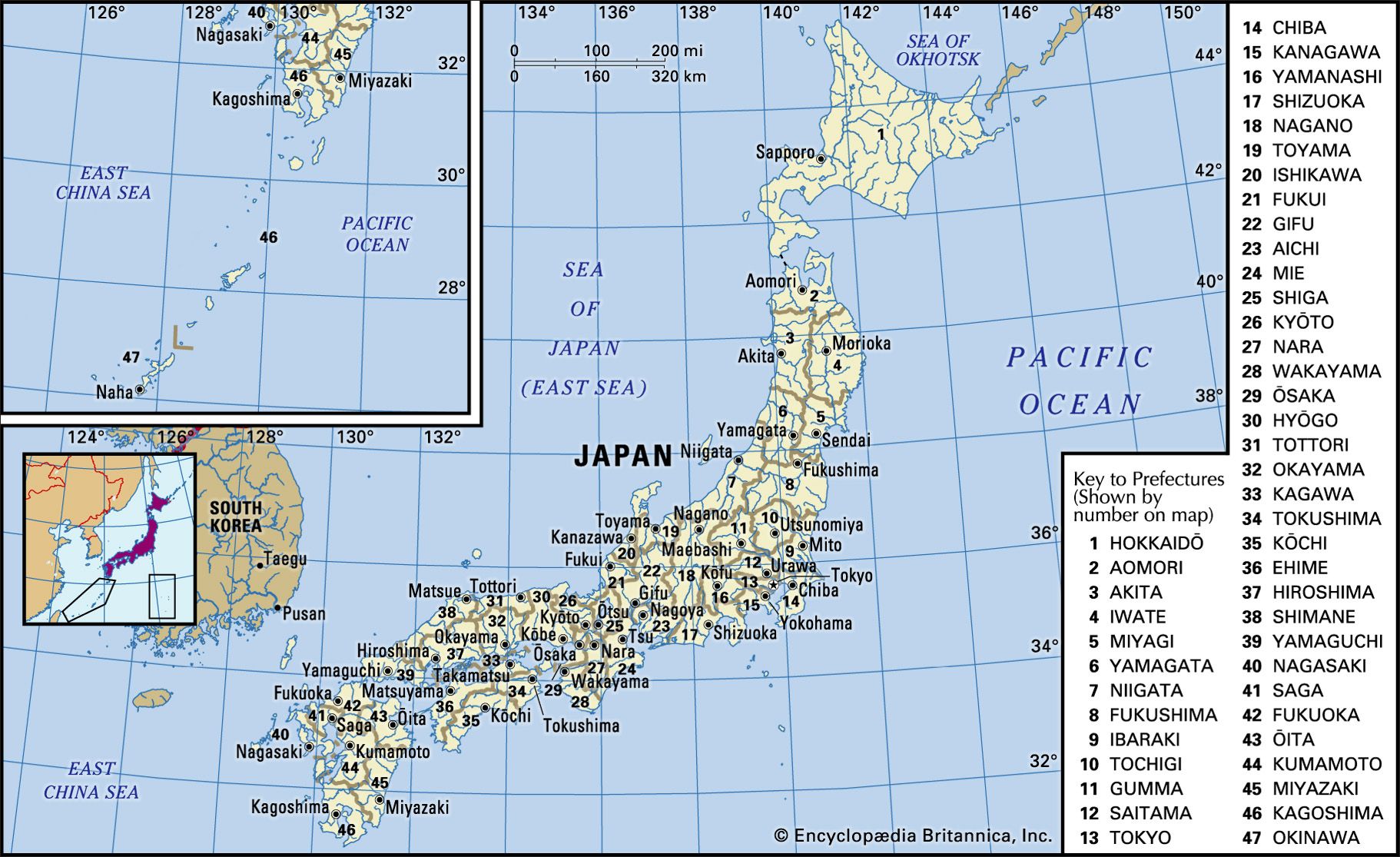 JapanThe ritsuryō system
The ritsuryō system refers to the governmental structure defined by ritsu, the criminal code, and ryō, the administrative and civil codes. Such a system had long been in force in China, and the Japanese ritsuryō was an imitation of the lüling of Tang…
Read MoreThe ritsuryō system refers to the governmental structure defined by ritsu, the criminal code, and ryō, the administrative and civil codes. Such a system had long been in force in China, and the Japanese ritsuryō was an imitation of the lüling of Tang…
Read More- JapanAristocratic government at its peak
The ritsuryō system of public ownership of land and people survived in name alone; land passed into private hands, and people became private citizens. The fiscal changes of the early 10th century did not bring enough paddy fields into production, and tax rates remained high. Public…
Read MoreThe ritsuryō system of public ownership of land and people survived in name alone; land passed into private hands, and people became private citizens. The fiscal changes of the early 10th century did not bring enough paddy fields into production, and tax rates remained high. Public…
Read More - JapanChanges in ritsuryō government
In 794, as noted above, the emperor Kammu shifted his capital to Heian, diluted the ties between government and Buddhism, and attempted to revive government in accordance with the ritsuryō. Commanding that the provisions of the ritsuryō system be enforced, he also amended…
Read MoreIn 794, as noted above, the emperor Kammu shifted his capital to Heian, diluted the ties between government and Buddhism, and attempted to revive government in accordance with the ritsuryō. Commanding that the provisions of the ritsuryō system be enforced, he also amended…
Read More