laws of Lübeck
Quick Summary
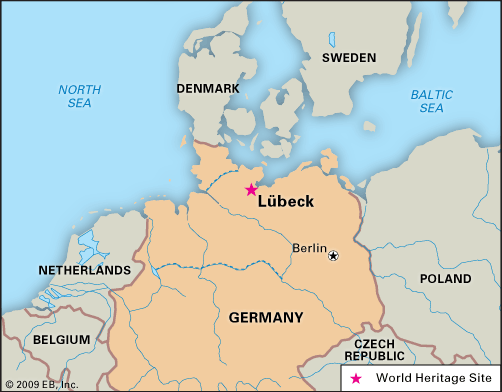
The "laws of Lübeck" refer to a legal code that originated in the city of Lübeck, Germany, during the Middle Ages. Lübeck, founded in 1143, became a significant commercial center in northern Europe and the chief city of the Hanseatic League.12
The laws of Lübeck were established when the city was made a free imperial city in 1226. This legal framework was later adopted by over 100 other cities in the Baltic region, greatly influencing their economies and development. The Hanseatic League, an association of North German towns protecting trading interests, made Lübeck its administrative headquarters in 1358. The laws of Lübeck were crucial in standardizing trade practices and fostering economic growth within the league's extensive network.12
Ask Britannica AI about this topic
Britannica doesn't have a full article on this topic, so we've curated a list of our relevant coverage.