
- Also called:
- defensive architecture, exclusionary design, defensive architecture, or anti-homeless architecture
- Related Topics:
- urban planning

Hostile architecture
-
What is hostile architecture?
Hostile architecture is an urban design strategy using built environment elements to restrict behaviors like sleeping, loitering, and skateboarding in public spaces. It targets those with limited access to private spaces, such as young and impoverished people.
Many forms exist, from explicit "anti-homeless spikes" to implicit designs like uncomfortable benches or absent amenities.
Critics argue it's a cruel method that degrades public space quality for everyone, not just vulnerable populations. Some liken it to physical assault. Resistance includes grassroots activism, like removing bench armrests or covering spikes with cushions. Some trace its origins to crime prevention strategies, while others believe it is caused by governments allocating resources away from noncommercial spaces.
1 Britannica SourceCreated from Britannica articles using AI. AI can make mistakes, so verify using Britannica articles. -
Why do cities use hostile architecture in public spaces?
Hostile architecture is an urban design strategy that uses elements of the built environment to restrict certain behaviors in public spaces, such as sleeping and loitering. It targets those with limited access to private spaces, like young people and people living in poverty.
Forms of hostile architecture range from explicit, such as anti-homeless spikes, to implicit, like uncomfortable benches. Critics argue that exclusionary design is a cruel method of removing visual evidence of poverty from public spaces. Some scholars claim that governments allocate fewer resources to noncommercial spaces, leading to defensive designs in public spaces.
1 Britannica SourceCreated from Britannica articles using AI. AI can make mistakes, so verify using Britannica articles. -
What are some common examples of hostile architecture?
Hostile architecture uses design to influence behavior in public spaces. It can be obvious, like "anti-homeless spikes" that prevent people from sleeping in certain areas, or subtle, like awnings with gaps that let rain through.
Other examples include benches with dividers to stop people from lying down, motion-activated spotlights, timed sprinklers, and uncomfortable public furniture designed to discourage lingering. Critics argue that hostile designs are cruel ways to hide poverty and harm everyone by making public spaces less usable. Activists have resisted hostile architecture by removing barriers from benches and covering spikes with soft materials.
1 Britannica SourceCreated from Britannica articles using AI. AI can make mistakes, so verify using Britannica articles. -
Who is most affected by hostile architecture?
Hostile architecture disproportionately affects individuals with limited access to private spaces, such as young people and people living in poverty. It targets unwanted behaviors like sleeping, loitering, and other activities in public spaces by introducing design elements that restrict these actions. Critics argue that hostile design degrades public spaces for everyone, not just the vulnerable, and some compare it to physical assault.
1 Britannica SourceCreated from Britannica articles using AI. AI can make mistakes, so verify using Britannica articles. -
What are the arguments for and against using hostile architecture?
Hostile architecture employs urban design to deter specific behaviors in public spaces, like loitering or sleeping.
Arguments for hostile architecture include that it serves as a crime reduction strategy that maintains social order and prevents antisocial behavior.
Arguments against hostile architecture include that it is a cruel method of removing visual evidence of poverty and other social ills from public and commercial spaces. Some critics say that these designs degrade the quality and usability of public spaces for all members of a community, not just the most vulnerable.
1 Britannica SourceCreated from Britannica articles using AI. AI can make mistakes, so verify using Britannica articles. -
How does hostile architecture influence city life and community well-being?
Hostile architecture uses urban design to discourage specific behaviors in public spaces, such as sleeping or loitering. It includes elements like anti-homeless spikes, uncomfortable benches, and the absence of amenities such as public bathrooms.
Critics argue that hostile design is a cruel method that degrades public spaces for everyone, not only the vulnerable. Some scholars also contend that larger-scale municipal planning, such as the organization of vehicular traffic and the routing of public transportation, can lead to spatial segregation. Activists have resisted hostile design by removing armrests from benches and covering anti-homeless spikes with cushions.
1 Britannica SourceCreated from Britannica articles using AI. AI can make mistakes, so verify using Britannica articles.
Hostile architecture, urban design strategy that uses elements of the built environment to guide or restrict certain behaviors in public spaces, such as sleeping, skateboarding, using illicit substances, urinating in public, and loitering. Such design elements tend to target not only skateboarders but also people who have limited access to private spaces, such as young people and people living in poverty. Hostile architecture is prevalent in urban areas around the world, and it has also spread to suburban areas.
Types of hostile architecture
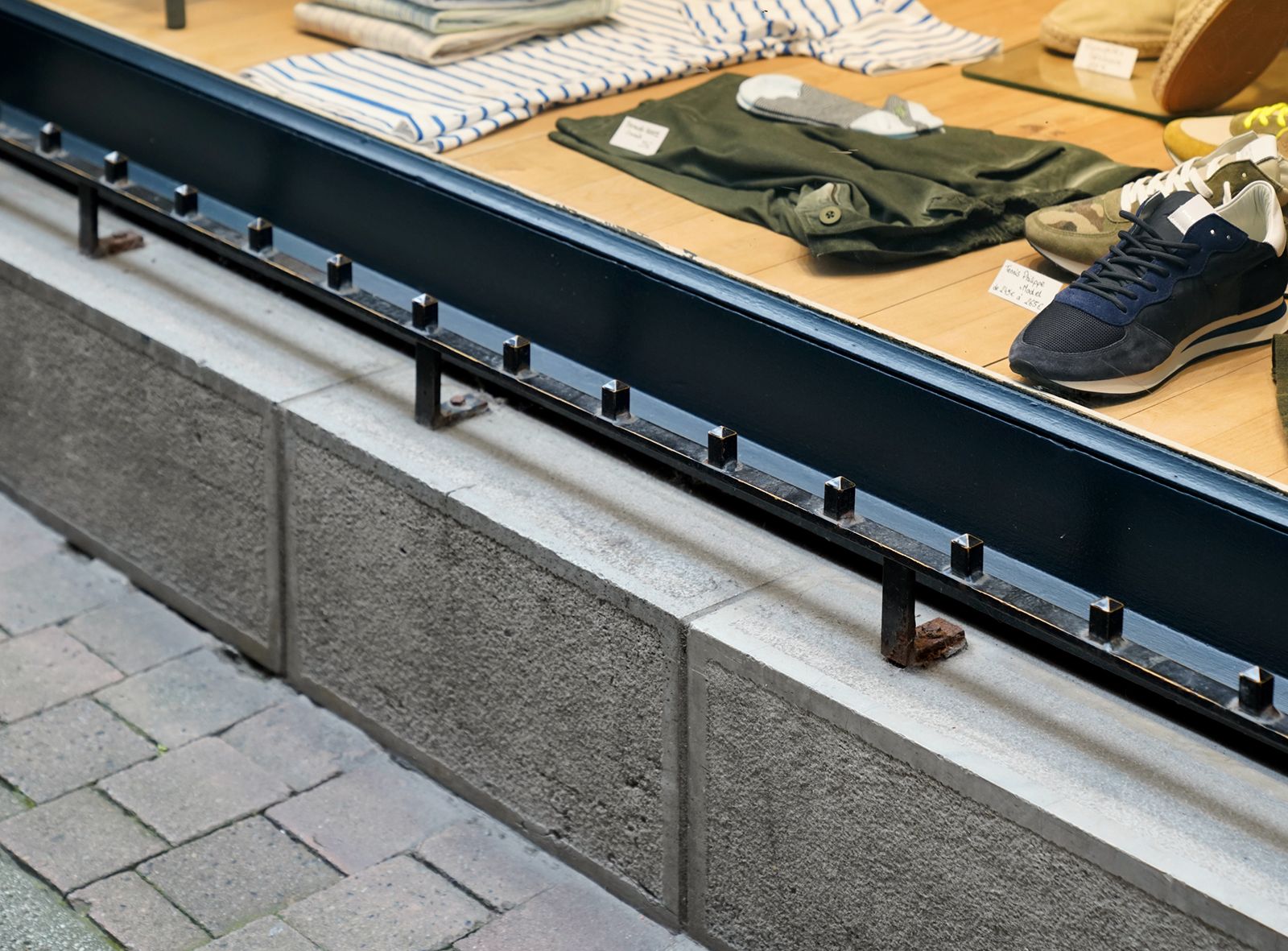
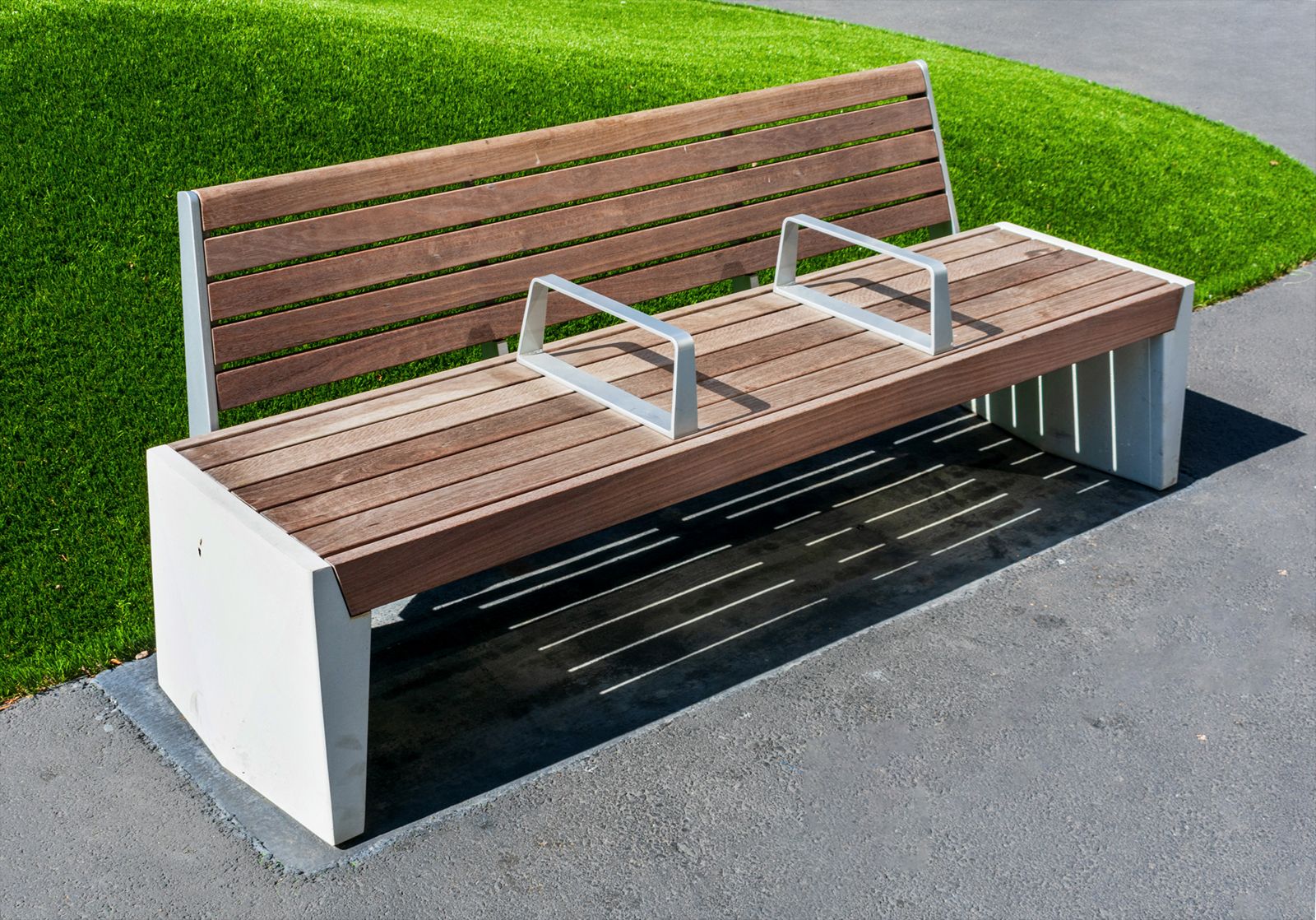
Many different forms of hostile architecture exist. It can be explicit, such as so-called “anti-homeless spikes” that render a flat place unusable, or implicit, such as an intentional gap in an awning that allows rain to reach those under it. Hostile architecture can also be the absence of amenities such as bathrooms or water fountains in public spaces. Other examples of hostile architecture include benches with bars or handrests dividing one long seat into multiple individual seats to prevent people from lying down, motion-detecting spotlights, timed sprinklers in areas not requiring watering, and public furniture that is designed to be uncomfortable to discourage people from spending too much time using it.
History
Defensive design elements have historically been used to isolate private space from public access, but hostile architecture is a relatively new phenomenon in which design elements are used to deter the use of public spaces, which are supposed to be inclusive and accessible. Some scholars argue that the proliferation of defensive design elements in public spaces is driven in part by local governments’ allocation of fewer resources to noncommercial spaces and more resources to spaces that can be easily commodified.


 " height="20" alt="HEW Logo">
Gordan Savičić and Selena Savić, editors of the book Unpleasant Design (2013), describe defensive design as “a collection of techniques and strategies in urban design where social control is an inherent property of objects and places.”
Modern forms of hostile architecture can be traced to a design philosophy called crime prevention through environmental design (CPTED), notably articulated in American architect and city planner Oscar Newman’s 1972 book Defensible Space. Proponents of hostile architecture argue that it is a necessary crime reduction strategy that successfully maintains social order and prevents antisocial behavior.
Criticism and activism
Critics of exclusionary design deride it as an unnecessarily cruel method of removing visual evidence of poverty and other social ills from public and commercial spaces. Some even liken certain hostile design elements to physical assault. Others point out that hostile design elements such as uncomfortable benches do a disservice to all members of a community—not just the most vulnerable—by degrading the quality and usability of public space.
While hostile design is often discussed in the context of street-level decisions, some scholars argue that larger-scale municipal and regional planning decisions often have exclusionary effects similar to the outcomes sought by proponents of hostile architecture. The organization of vehicular traffic, for example, can cause the spatial segregation of groups of people, while the routing of public transportation systems can prioritize specific groups of people, usually educated wealthy white communities. Preeminent New York City planner Robert Moses reportedly instructed engineers to build low overpasses along the Southern State Parkway to keep city buses and their poorer riders out of Long Island beach towns.
There have been sporadic attempts to formally ban the use of certain hostile design strategies in various municipalities, but the most effective resistance to hostile design has occurred on the grassroots level. In some instances public pressure has resulted in the removal of particularly egregious instances of hostile architecture. A few activists have physically removed armrests from public benches, as in Lyon, France, in 2018 and Boston in 2021, and covered anti-homeless spikes with cushions or replaced them with flowers, as in Britain and Mumbai. Furthermore, a number of art projects and online campaigns have attempted to raise awareness of the prevalence of hostile architecture in cities, including a campaign encouraging the public to plaster offensive structures with stickers labeled “DESIGN CRIME: This item is a design against humanity.”
The trusted destination for professionals, college students, and lifelong learners.
SUBSCRIBE

