fume
Quick Summary
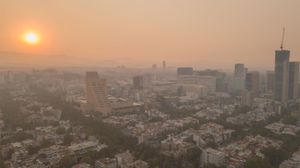
Fumes are a type of air pollutant consisting of airborne suspensions of extremely small solid or liquid particles. These particles, often less than 10 micrometers in diameter, can be harmful to human health, potentially leading to respiratory and cardiovascular issues. Major sources of fumes include industrial processes, power plants, and vehicle emissions.12
Air pollution is broadly categorized into primary pollutants, released directly from sources like cars and factories, and secondary pollutants, formed through chemical reactions in the atmosphere. The U.S. Environmental Protection Agency (EPA) monitors six "criteria" pollutants, including particulate matter, carbon monoxide, nitrogen oxides, sulfur dioxide, ozone, and lead, as indicators of overall air quality. Exposure to these pollutants can cause various health problems, with vulnerable populations like children and the elderly being most at risk.21
Ask Britannica AI about this topic
Britannica doesn't have a full article on this topic, so we've curated a list of our relevant coverage.