

- Related Topics:
- postal system

franking
-
What is franking in the postal service?
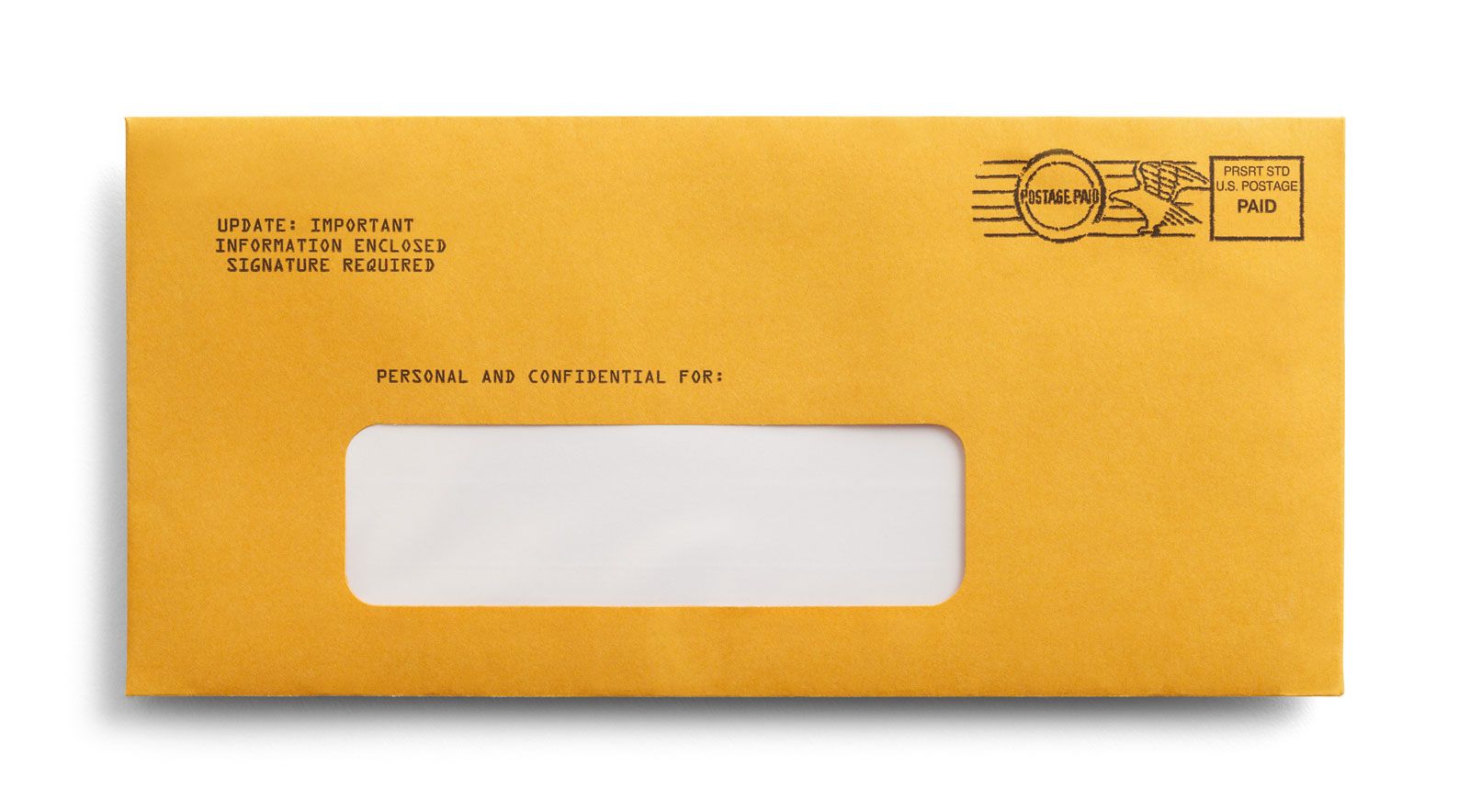
Franking, derived from the French word affranchir ("free"), refers to the right to send letters or postal packages without charge.
In the British system, members of Parliament once had the privilege to send and receive letters free of charge, a practice that was eventually abused before being abolished in 1840.
In the United States, a similar franking privilege was granted to soldiers during the American Revolution and later extended to numerous officials. Instead of postage, these mailings used a written or facsimile signature and office designation on the envelope. Additionally, a mixed franking is when stamps from multiple countries are used on a postal cover.
3 Britannica SourcesCreated from Britannica articles using AI. AI can make mistakes, so verify using Britannica articles. -
How does franking show that postage has been paid?
Franking serves as proof of postage payment in a few ways. It can be the signature of the sender in place of a postage stamp, or it can be a mark or stamp that shows that the postage has been paid. Franking can also refer to the right to send mail free of charge, a privilege that has been granted to certain individuals and organizations throughout history. In the United States, government agencies can use a "penalty" statement instead of postage stamps.
3 Britannica SourcesCreated from Britannica articles using AI. AI can make mistakes, so verify using Britannica articles. -
What are the different ways to frank mail?
Franking refers to the right to send letters or postal packages free of charge.
Methods for franking mail:
* In the British House of Commons, members could send and receive a certain number of letters daily by signing the envelope.
* In the United States, officials and members of the public service could frank mail by writing their name, or a facsimile, and office designation on the envelope or parcel.
* U.S. government agencies can use a "penalty" statement instead of postage stamps.
* In the United Kingdom, the equivalent of the "penalty" statement is O.H.M.S. ("on her majesty’s service").1 Britannica SourceCreated from Britannica articles using AI. AI can make mistakes, so verify using Britannica articles. -
Why do some businesses and officials use franking instead of stamps?
Franking is the privilege of sending mail free of charge, typically used by government officials and certain organizations. Instead of stamps, they use a written name, a facsimile of their signature, or an office designation on the envelope.
Franking originated in Britain, where members of Parliament had the right to send mail without charge. In the United States, this privilege was extended to soldiers during the American Revolution and eventually included many public officials. Government agencies in the U.S. can use a "penalty" statement in place of postage stamps.
2 Britannica SourcesCreated from Britannica articles using AI. AI can make mistakes, so verify using Britannica articles. -
How has franking changed with modern technology?
Franking, which originated as the privilege of sending mail free of charge, has evolved with modern technology. Initially, franking involved a handwritten signature of a member of parliament or a public official on an envelope, but today, it includes facsimiles or printed names and designations.
The United States and the United Kingdom have adapted franking for government use, with agencies employing "penalty" statements or legends like "O.H.M.S." instead of postage stamps. While the core concept of free postage for authorized entities remains, technology has streamlined and formalized the process.
1 Britannica SourceCreated from Britannica articles using AI. AI can make mistakes, so verify using Britannica articles.
franking, term used for the right of sending letters or postal packages free of charge. The word is derived from the French affranchir (“free”). The privilege was claimed by the British House of Commons in 1660 in “a Bill for erecting and establishing a Post Office,” their demand being that all letters addressed to or sent by members during the session should be carried free.
The clause embodying this claim was struck out by the Lords, but it was replaced with a proviso for the free carriage of all letters to and from the sovereign and the great officers of state. The privilege was also extended to the single inland letters of the members of that Parliament during that session only. The practice, however, apparently was tolerated until 1764, when, by an act dealing with postage, it was legalized. Every peer and each member of the House of Commons was allowed to send free 10 letters a day, not exceeding an ounce in weight, to any part of the United Kingdom, and to receive 15. The act did not restrict the privilege to letters either actually written by or to the member, and thus the right was very easily abused. Members sent and received letters for friends, all that was necessary being the signature of the peer or member of parliament in the corner of the envelope. Wholesale franking grew usual, and MPs supplied their friends with envelopes already signed to be used at any time. On January 10, 1840, parliamentary franking was abolished on the introduction of the uniform penny rate.
In the United States the franking privilege was first granted in January 1776 to the soldiers engaged in the American Revolution. The right was gradually extended until it included nearly all officials and members of the public service. By special acts the privilege was bestowed on presidents and their widows. The vice president, members of the House and Senate and delegates, the clerk of the house, and the secretary of the senate were given the privilege of sending and receiving free through the mail all public documents printed by order of Congress. This privilege continued until the 30th day of June following the expiration of the officials’ respective terms of office. In place of paid postage, the written name of the official, or a facsimile, and designation of the office appeared on the envelope or parcel.


 " height="20" alt="HEW Logo">

The Congressional Record or any part thereof could, under the frank of a member or delegate, be carried free under regulations of the postmaster general. Seeds transmitted by the secretary of agriculture or by any member or delegate receiving seeds from the department for transmission could be sent free in the mails under frank. This privilege applied to former members and former delegates for a period of nine months after the expiration of their terms. The vice president, members, members elect, delegates, and delegates elect could send free through the mails, under their franks, any mail matter to any government official or to any person, correspondence not exceeding 4 ounces (113 grams) in weight, upon official or departmental business. United States government agencies are entitled to use the so-called “penalty” statement (“Whoever makes use of any official envelope, label, or endorsement authorized by law, to avoid the payment of postage or registry fee on his private letter, packet, package, or other matter in the mail, shall be fined not more than $300.”) in lieu of postage stamps. The equivalent legend in the United Kingdom is O.H.M.S. (“on her majesty’s service”).