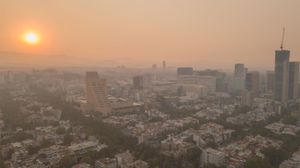
fine particulate matter
Quick Summary
Fine particulate matter (PM2.5) refers to airborne solid particles or liquid droplets with diameters of 2.5 micrometers or less. These tiny particles are a significant component of air pollution and pose serious risks to human health.1
Sources and Health Impacts
Fine particulates are emitted from various sources, including industrial processes, power plants, residential heating systems, and vehicle exhaust. Due to their small size, they can be inhaled deep into the lungs, leading to inflammation and irritation of the respiratory system. Exposure to PM2.5 is linked to aggravated asthma, bronchitis, irregular heartbeat, heart attack, and stroke. Certain fine particulates are also known or suspected carcinogens. Vulnerable populations, such as children, the elderly, and individuals with pre-existing heart or lung conditions, are particularly susceptible to the harmful effects of particulate matter.12
Regulation and Control
In the United States, PM2.5 is one of the six "criteria" air pollutants regulated by the Environmental Protection Agency (EPA) under the Clean Air Act. Control technologies, such as cyclones, scrubbers, electrostatic precipitators, and baghouse filters, are used to remove particulates from industrial emissions. Indoor air quality can be improved using high-efficiency particulate air (HEPA) filters.13
Ask Britannica AI about this topic
Britannica doesn't have a full article on this topic, so we've curated a list of our relevant coverage.