Yamato family
Quick Summary
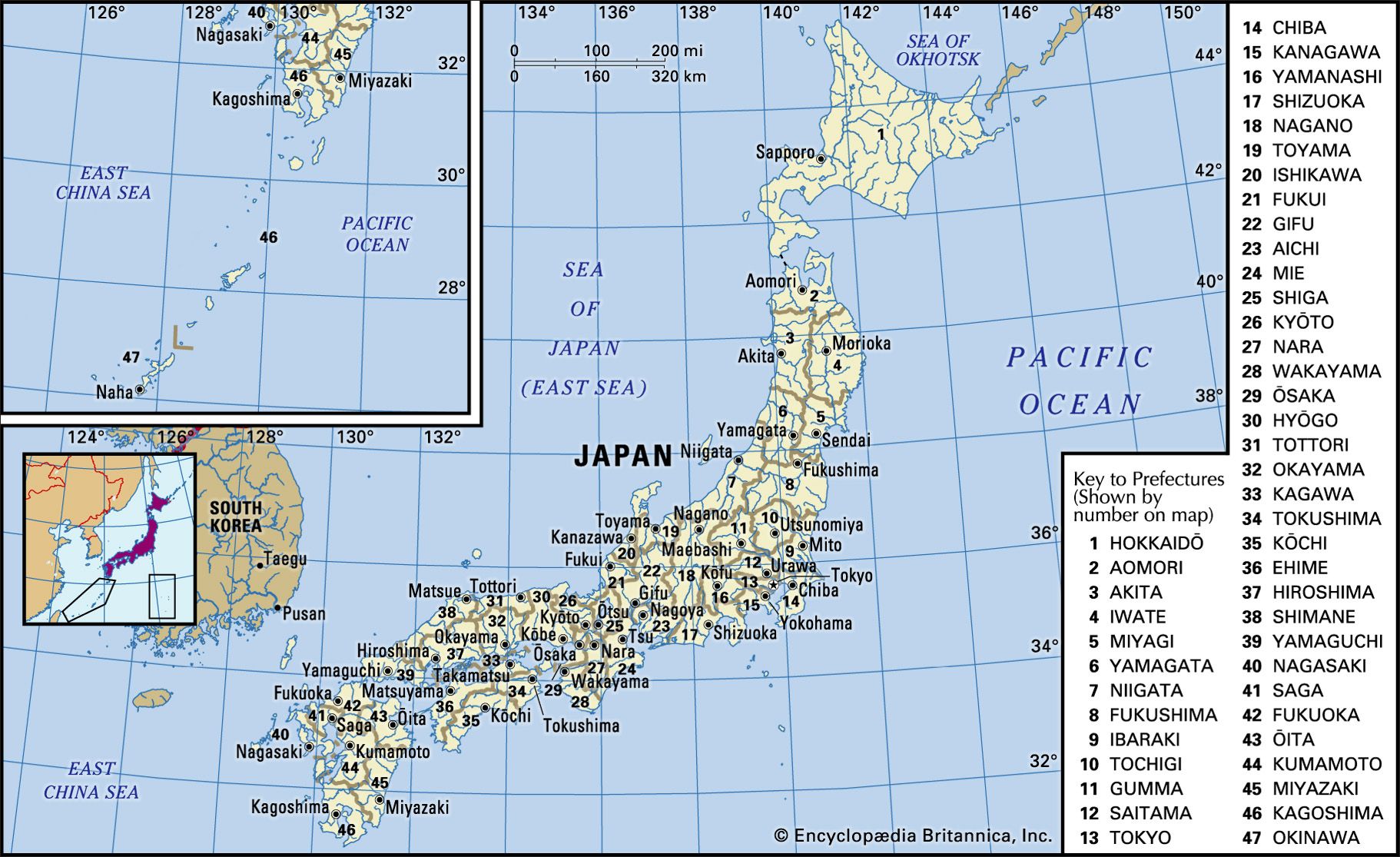
The Yamato family, a Japanese dynasty, rose to prominence during the Tumulus period (c. 250–552 CE). Initially centered in the Nara Basin, their power expanded through improved agricultural techniques and the construction of large burial mounds (kofun). The Yamato rulers, known as kimi, held both secular and sacred authority, with a religious focus on Mount Miwa.1
By the 5th century, power shifted, and the Yamato court developed a system of clan governance (uji-kabane), where powerful clan leaders were awarded titles (kabane) and served the ruler. This period also saw increased involvement in Korean affairs, with alliances and diplomatic exchanges, particularly with the state of Paekche. Yamato sought access to continental technology and resources, especially iron from the Korean peninsula. The dynasty's influence extended through the archipelago, laying the groundwork for future Japanese statehood.23
Ask Britannica AI about this topic
Britannica doesn't have a full article on this topic, so we've curated a list of our relevant coverage.