

Wei kingdom
Learn about this topic in these articles:
- Three Kingdoms
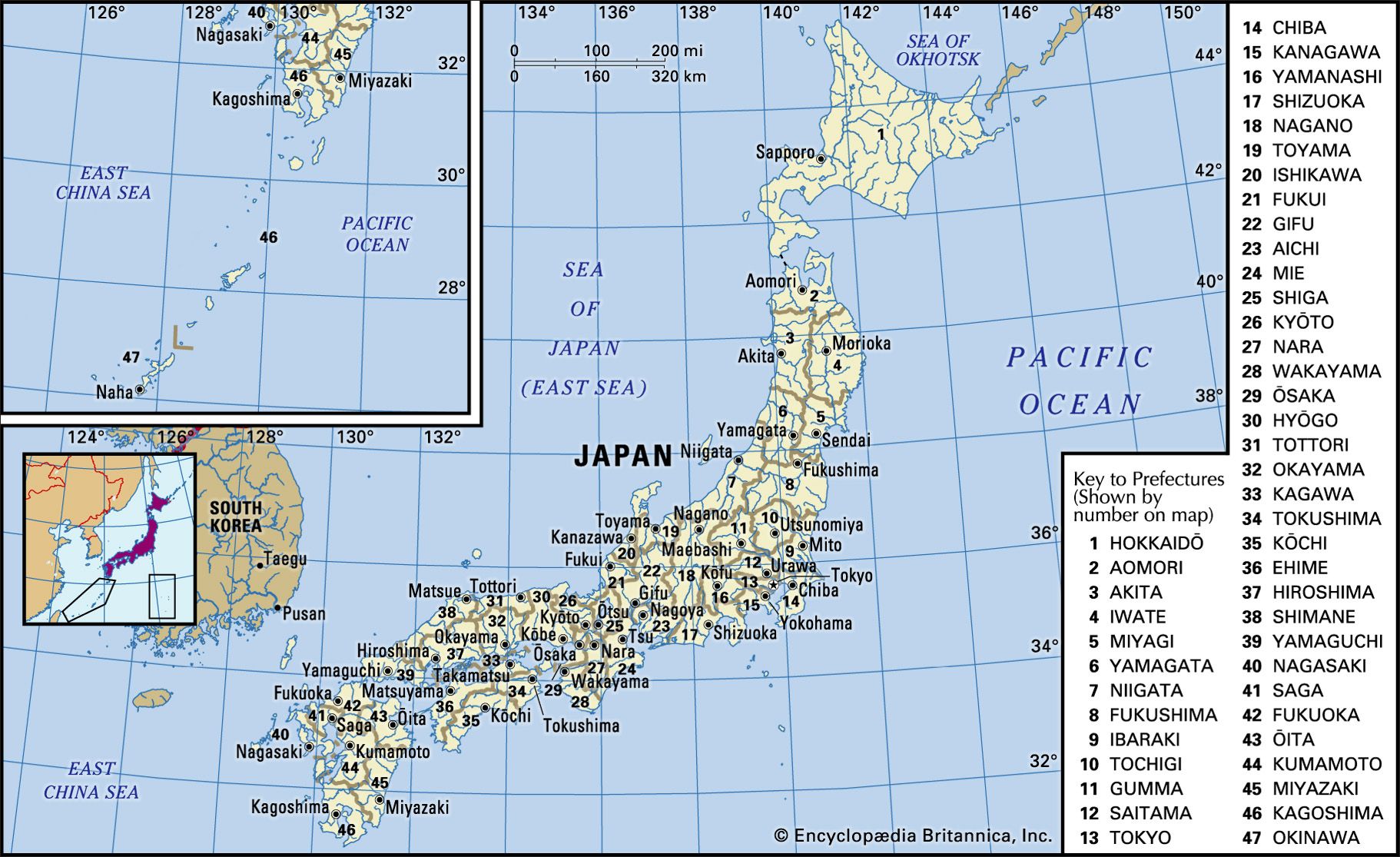
Thus began the Wei kingdom (220–265/266), but its effective influence was confined to northern China. Two other Han generals shortly installed themselves as emperors and took over regions of western and southern China; the Shu-Han empire (221–263/264) was proclaimed in what is now Sichuan province, and the Wu…
Read MoreThus began the Wei kingdom (220–265/266), but its effective influence was confined to northern China. Two other Han generals shortly installed themselves as emperors and took over regions of western and southern China; the Shu-Han empire (221–263/264) was proclaimed in what is now Sichuan province, and the Wu…
Read More  ChinaDong (Eastern) Han
…emperor of a dynasty styled Wei, whose territories stretched over the northern part of China and whose capital was at Luoyang. A year later, in 221, Liu Bei was declared emperor of the Shu-Han dynasty, thereby maintaining the fiction that as a member of the Liu family he was continuing…
Read More…emperor of a dynasty styled Wei, whose territories stretched over the northern part of China and whose capital was at Luoyang. A year later, in 221, Liu Bei was declared emperor of the Shu-Han dynasty, thereby maintaining the fiction that as a member of the Liu family he was continuing…
Read More- ChinaSanguo (Three Kingdoms; 220–280 ce)
…the first ruler of the Wei dynasty. Soon afterward, two competing military leaders proclaimed themselves emperor, one in the far interior (Shu-Han dynasty, in the present-day Sichuan province) and one in the south, behind the formidable barrier of the Yangtze River (the empire of Wu, with its capital at Jianye,…
Read More…the first ruler of the Wei dynasty. Soon afterward, two competing military leaders proclaimed themselves emperor, one in the far interior (Shu-Han dynasty, in the present-day Sichuan province) and one in the south, behind the formidable barrier of the Yangtze River (the empire of Wu, with its capital at Jianye,…
Read More
