

United States-Japan Security Treaty
Quick Summary
The United States-Japan Security Treaty, signed in 1951, was a pivotal agreement following World War II. It allowed the United States to maintain military bases in Japan, providing a security umbrella for the nation as it rebuilt. This arrangement was part of a broader peace treaty that saw Japan renounce territorial claims and recognize the independence of Korea.12
The treaty acknowledged Japan's right to self-defense and permitted it to enter into collective security arrangements. In exchange for security assurances and access to the U.S. market, Japan agreed not to grant similar military rights to any third power without U.S. consent. This treaty aimed to ensure Japan would not become a military threat again, while also integrating it into the Western bloc during the Cold War.12
Ask Britannica AI about this topic
Britannica doesn't have a full article on this topic, so we've curated a list of our relevant coverage.
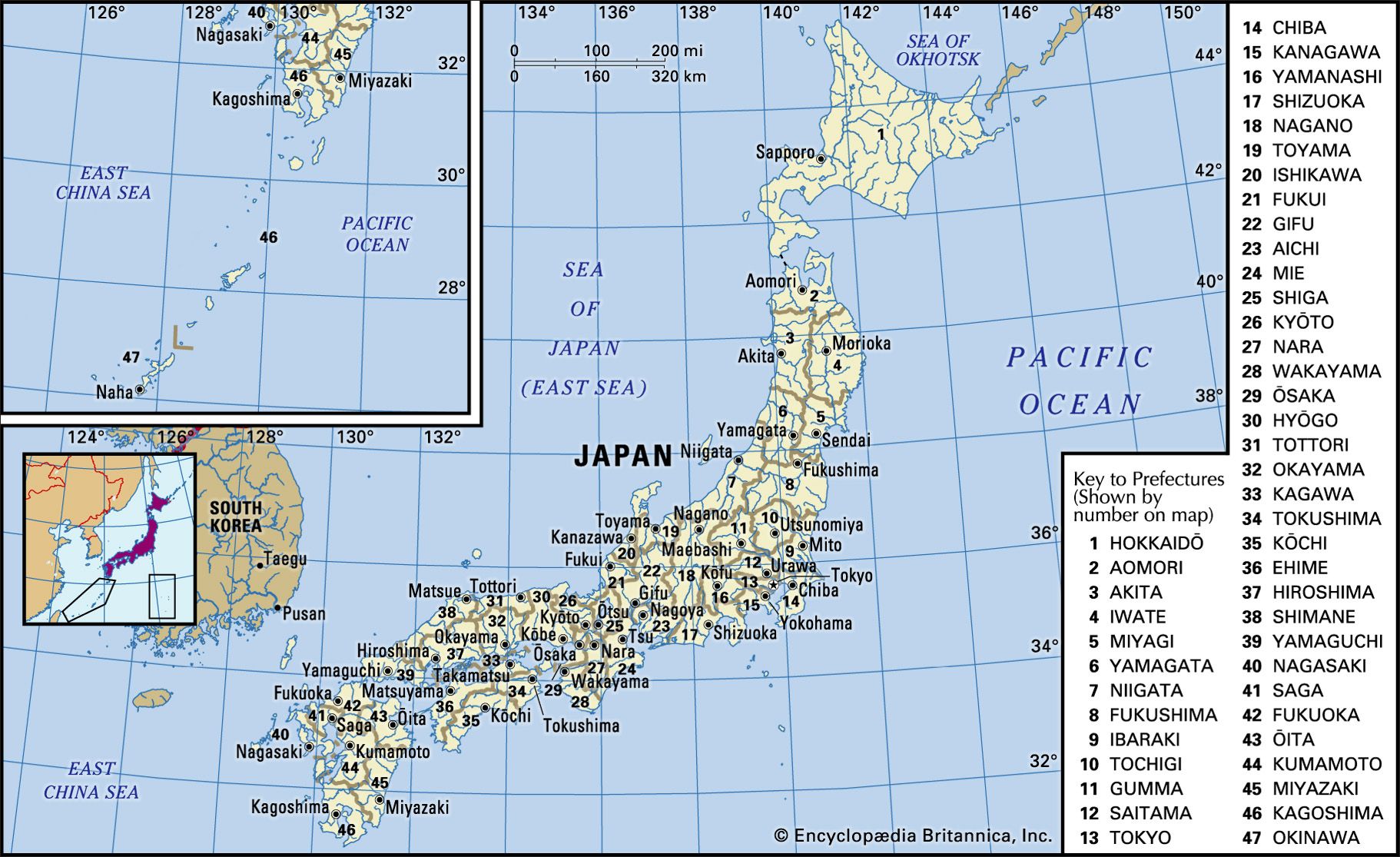 JapanInternational relations
…which it exercised through the United States–Japan Security Treaty (1951) by which U.S. forces remained in Japan until the Japanese secured their own defense. Japan agreed not to grant similar rights to a third power without U.S. approval. Americans promised to assist Japan’s Self-Defense Forces while U.S. military units (except…
Read More…which it exercised through the United States–Japan Security Treaty (1951) by which U.S. forces remained in Japan until the Japanese secured their own defense. Japan agreed not to grant similar rights to a third power without U.S. approval. Americans promised to assist Japan’s Self-Defense Forces while U.S. military units (except…
Read More- JapanInternational relations
…officially remained committed to the Mutual Security Treaty, which keeps Japan under the U.S. nuclear weapons “umbrella” and permits thousands of U.S. troops to be stationed there, particularly on Okinawa; however, many Japanese favor redefining the relationship between the two countries and reducing the number of U.S. troops.
Read More…officially remained committed to the Mutual Security Treaty, which keeps Japan under the U.S. nuclear weapons “umbrella” and permits thousands of U.S. troops to be stationed there, particularly on Okinawa; however, many Japanese favor redefining the relationship between the two countries and reducing the number of U.S. troops.
Read More
