

Treaty of Peace with Japan
Quick Summary
The Treaty of Peace with Japan, signed in 1951, officially ended World War II for Japan. Following Japan's surrender in 1945, Allied powers, primarily the United States, occupied Japan with the goal of demilitarizing and democratizing the nation.1
Key aspects of the treaty include:
* Japan renounced claims to various territories, including Korea, Taiwan, and Pacific islands.12
* The United States was granted trusteeship over the Ryukyu and Bonin Islands.1
* Japan recognized its inherent right to self-defense and could enter into collective security arrangements.12
* While the treaty didn't stipulate reparations, Japan agreed to negotiate compensation for war damages.12
The treaty allowed for Japan's re-entry into the international community, though the Soviet Union, Poland, and Czechoslovakia refused to sign it.12
Ask Britannica AI about this topic
Britannica doesn't have a full article on this topic, so we've curated a list of our relevant coverage.
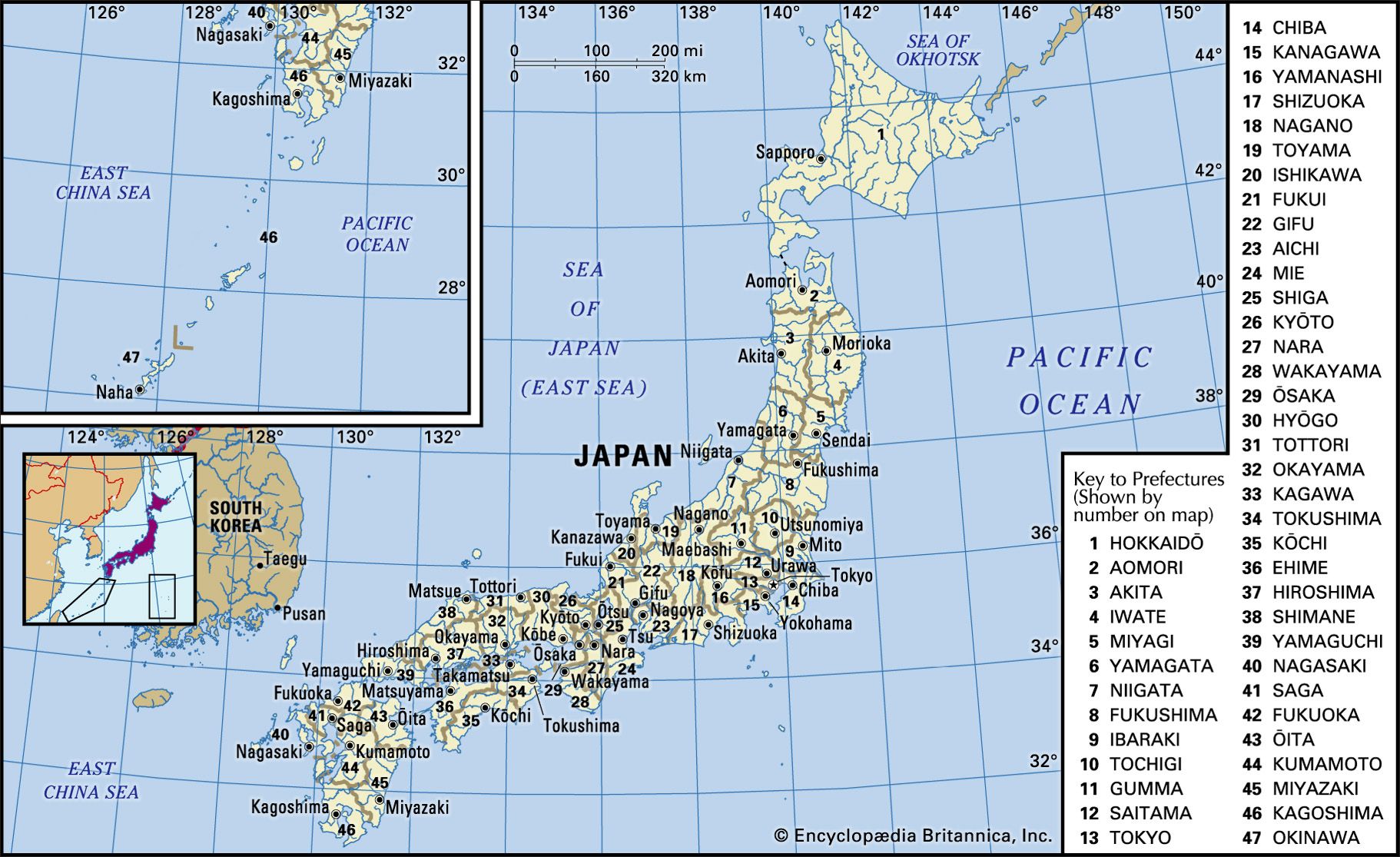 JapanPolitical trends
…the final details of the Treaty of Peace with Japan. The treaty was formally signed on September 8, 1951, and the occupation of Japan ended on April 28, 1952.
Read More…the final details of the Treaty of Peace with Japan. The treaty was formally signed on September 8, 1951, and the occupation of Japan ended on April 28, 1952.
Read More- JapanInternational relations
In the peace treaty that ensued, Japan recognized the independence of Korea and renounced all rights to Taiwan, the Pescadores, the Kurils, and southern Sakhalin and gave up the rights to the Pacific islands earlier mandated to it by the League of Nations. The Soviet Union attended…
Read MoreIn the peace treaty that ensued, Japan recognized the independence of Korea and renounced all rights to Taiwan, the Pescadores, the Kurils, and southern Sakhalin and gave up the rights to the Pacific islands earlier mandated to it by the League of Nations. The Soviet Union attended…
Read More