Shah dynasty
Quick Summary
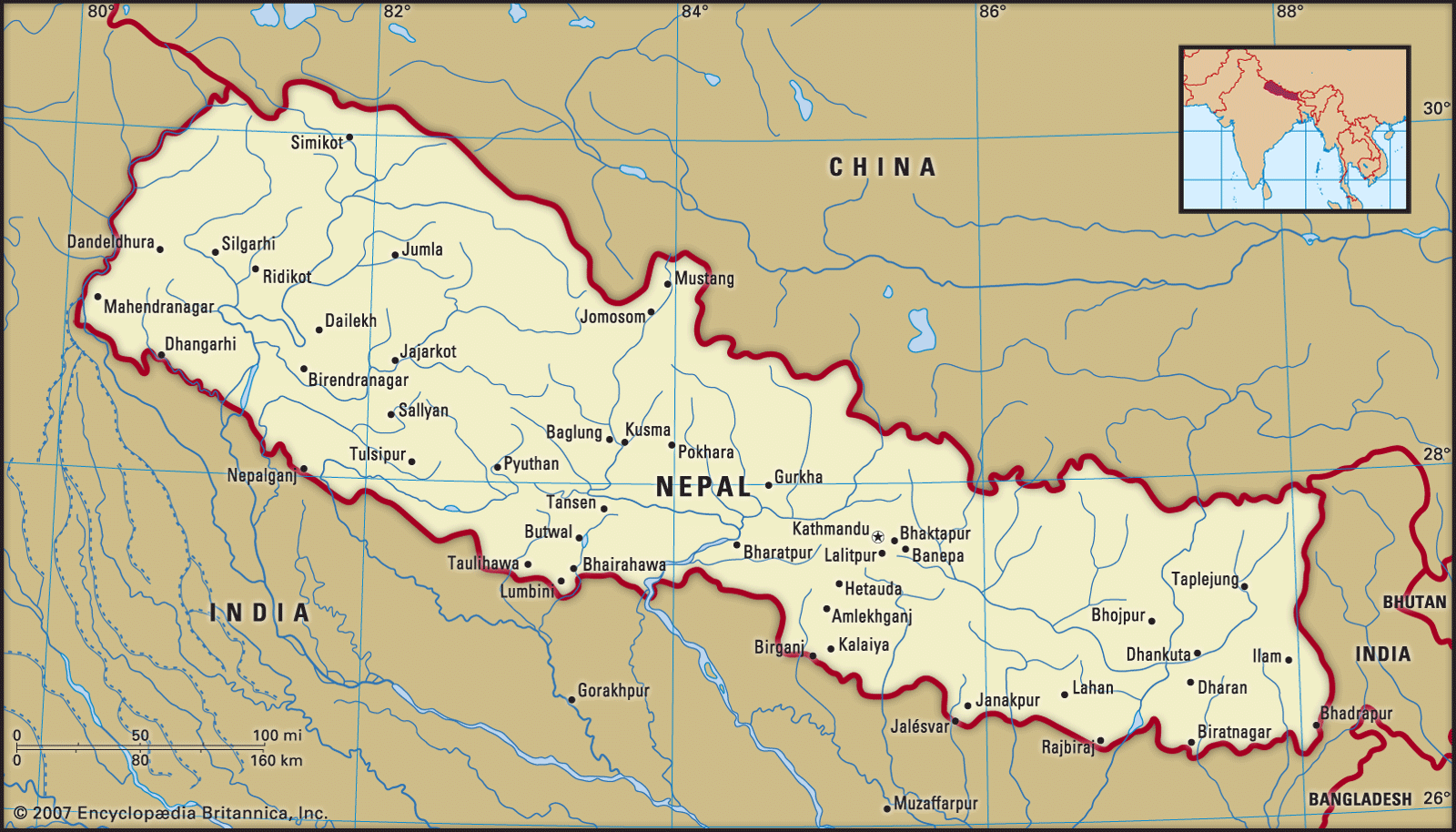
The Shah dynasty ruled Nepal from the mid-18th century until 1951. Prithvi Narayan Shah, a ruler of the Gurkha principality, conquered the Malla kingdoms and unified Nepal in 1769, establishing Kathmandu as the capital. His successors expanded the kingdom but faced setbacks in wars with China, Tibet, and British India, which set Nepal's present boundaries.12
Internal politics were often marked by power struggles between the royal family and noble families, such as the Thapa and Rana families, who frequently held effective authority while the Shah ruler was a figurehead. Nepal maintained a delicate balance in its external relations, accommodating British India while also engaging with China and Tibet. The Rana regime's power waned after India's independence, leading to a revolution in 1950 that restored the monarchy's sovereignty.2
Ask Britannica AI about this topic
Britannica doesn't have a full article on this topic, so we've curated a list of our relevant coverage.