

Pre-Ceramic period
Quick Summary
The Pre-Ceramic period refers to an age or culture that existed before the invention and widespread use of pottery. This period is characterized by the absence of ceramic artifacts.1
In various parts of the world, archaeological evidence points to distinct cultures and developments during this time:
- Andean Civilization: The Late Preceramic period in the Andes (before approximately 2500 BCE) saw the cultivation of crops like beans and squash, along with fishing and hunting. Settlements began to grow, with evidence of permanent villages and sophisticated textile production.2
- Japanese Architecture: The Paleolithic, or Pre-Ceramic, stage in Japan is estimated to date back to around 30,000 BCE, preceding the Jōmon period.3
- Native American Cultures: Archaic cultures in North America, beginning around 6000 BCE, show a transition from Paleo-Indian lifestyles. These groups began experimenting with food production and developed more sedentary settlements, with some cultures maintaining an Archaic way of life well into historical periods.4
- Ancient Near East: Early Neolithic settlements in Turkey, dating back approximately 9,000 years, reveal crude earthenware, predating more advanced pottery forms.5
Ask Britannica AI about this topic
Britannica doesn't have a full article on this topic, so we've curated a list of our relevant coverage.
 Japanese artFormative period
…that of a Paleolithic, or Pre-Ceramic, stage dating from approximately 30,000 bce (although some posit an initial date as early as 200,000 bce); the Jōmon period (c. 10,500–c. 3rd century bce), variously subdivided; the Yayoi period (c. 3rd century bce–c. 250 ce); and the Tumulus, or Kofun, period (c. 250–710…
Read More…that of a Paleolithic, or Pre-Ceramic, stage dating from approximately 30,000 bce (although some posit an initial date as early as 200,000 bce); the Jōmon period (c. 10,500–c. 3rd century bce), variously subdivided; the Yayoi period (c. 3rd century bce–c. 250 ce); and the Tumulus, or Kofun, period (c. 250–710…
Read More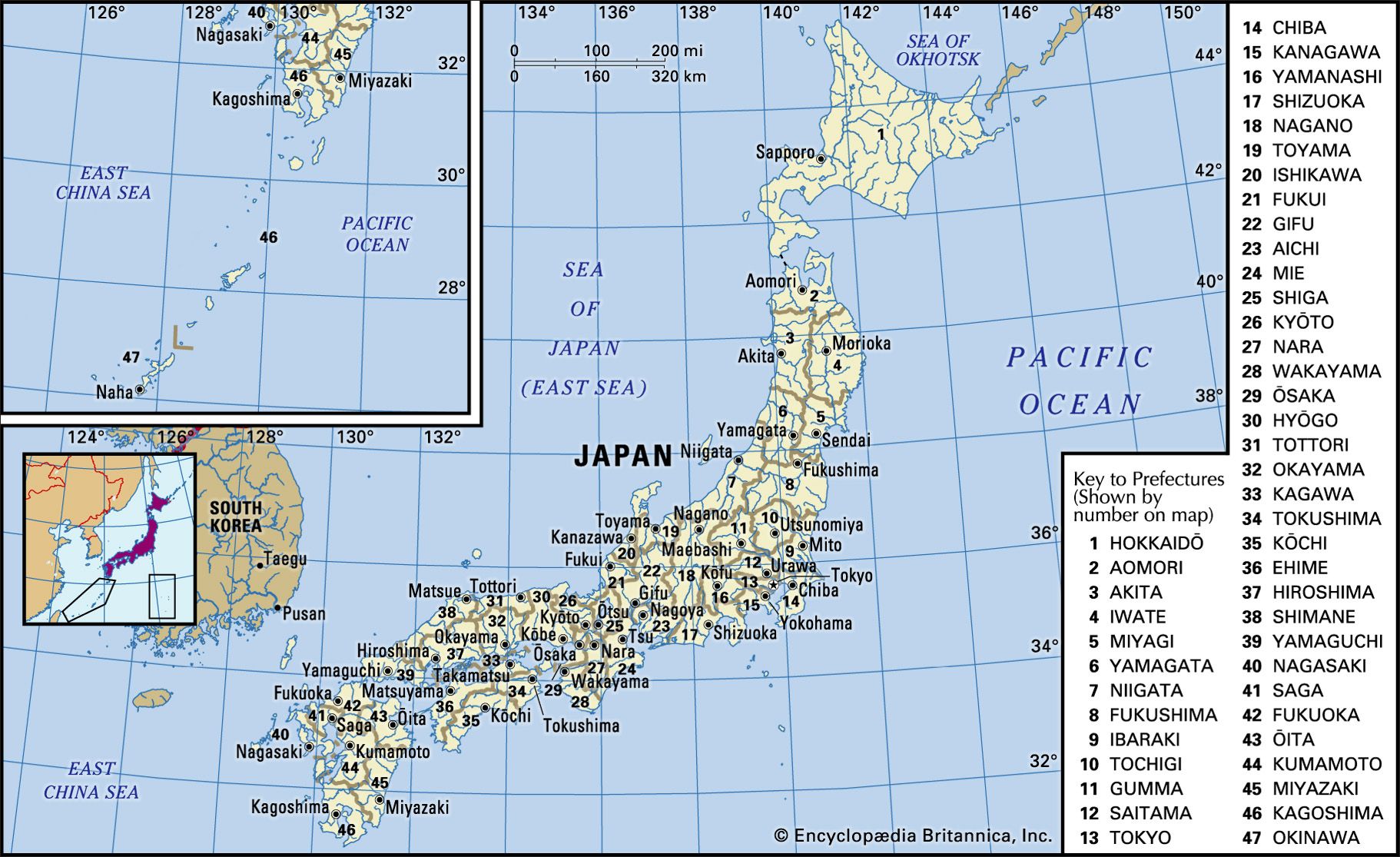 JapanPre-Ceramic culture
…is referred to as the Pre-Ceramic era.
Read More…is referred to as the Pre-Ceramic era.
Read More