
- Born:
- July 26, 1956, Cheshire, England (age 70)

Andy Goldsworthy
-
Who is Andy Goldsworthy?
Andy Goldsworthy, born July 26, 1956, is a British sculptor, land artist, and photographer celebrated for creating ephemeral works outdoors from natural materials found on-site. Goldsworthy's art is a "collaboration with nature," uncovering the essence and capabilities of his materials.
His notable works include Ice Arch, Midsummer Snowballs, and Walking Wall. Documentaries like Rivers and Tides (2001) and Leaning into the Wind (2017) showcase his work. He was an A.D. White Professor-at-Large at Cornell University from 2000 to 2008 and was made an Officer of the Order of the British Empire (OBE) in 2000.
2 Britannica SourcesCreated from Britannica articles using AI. AI can make mistakes, so verify using Britannica articles. -
What kind of art does Andy Goldsworthy create?
Andy Goldsworthy is a British artist known for creating environmental sculptures using natural materials such as stones, leaves, sticks, snow, and ice. His art often involves temporary, site-specific installations that interact with nature.
Goldsworthy views his artistic process as a collaboration with nature, uncovering the essence and capabilities of his materials. He also creates permanent indoor and outdoor works, such as the dry stone wall at the Storm King Art Center and the Roof installation at the National Gallery of Art.
2 Britannica SourcesCreated from Britannica articles using AI. AI can make mistakes, so verify using Britannica articles. -
Why is Andy Goldsworthy known for using natural materials in his work?
Andy Goldsworthy is known for creating ephemeral works outdoors using natural materials found on-site because his work as a farm laborer during his youth fostered an interest in nature, the seasons' cycles, and the outdoors.
While in school, he discovered his preference for creating art outdoors rather than in a studio, and he began to make temporary, site-specific works with stones, leaves, sticks, snow, ice, and any other natural materials available to him. Goldsworthy views his artistic process as a "collaboration with nature," in which he uncovers the essence of his materials and determines what they are capable of.
1 Britannica SourceCreated from Britannica articles using AI. AI can make mistakes, so verify using Britannica articles. -
How does Andy Goldsworthy make his sculptures without using glue or tools?
Andy Goldsworthy, a British sculptor, land artist, and photographer, is known for creating ephemeral works outdoors from natural materials found on-site. Goldsworthy collaborates with nature, using patience and flexibility to uncover the essence of his materials.
His artistic process involves using materials like stones, leaves, sticks, snow, and ice without glue or tools. He often sculpts arches, cones, stars, spheres, or serpentine lines, and then photographs his works before they succumb to the elements. Goldsworthy sees his work as a collaboration with nature, determining what the materials are capable of.
1 Britannica SourceCreated from Britannica articles using AI. AI can make mistakes, so verify using Britannica articles. -
What role does photography play in documenting Andy Goldsworthy's art?
Andy Goldsworthy, born in 1956, is a British sculptor, land artist, and photographer celebrated for his ephemeral, outdoor creations using natural materials found in the environment. Goldsworthy's photography plays a crucial role in documenting his art. He photographs his works after completion but before their inevitable disintegration due to natural elements.
His artistic process is a "collaboration with nature," requiring patience and adaptability. For example, his Rain Shadows (1984– ) involved him lying on the ground before a rainfall, creating a shadow in his body's shape, which he then photographed. Photography, therefore, is vital in preserving the fleeting beauty and essence of his ephemeral sculptures.
1 Britannica SourceCreated from Britannica articles using AI. AI can make mistakes, so verify using Britannica articles. -
How has Andy Goldsworthy influenced environmental art and other artists?
Andy Goldsworthy is a British sculptor, land artist, and photographer known for creating ephemeral works outdoors from natural materials found on-site. Goldsworthy views his artistic process as a "collaboration with nature," seeking to uncover the essence and capabilities of his materials.
Goldsworthy's art fosters an appreciation for nature, the seasons, and the outdoors. He has influenced other artists through his temporary, site-specific works using natural materials. Goldsworthy's approach requires patience and adaptability, as seen in Rain Shadows (1984– ), where he lay in a spot before rainfall to create a body-shaped shadow. His work with ice, snow, and stone has led to both temporary and permanent installations, such as Spire (2008) and Walking Wall (2019).
1 Britannica SourceCreated from Britannica articles using AI. AI can make mistakes, so verify using Britannica articles.
Andy Goldsworthy (born July 26, 1956, Cheshire, England) is a British sculptor, land artist, and photographer known for ephemeral works created outdoors from natural materials found on-site.
Early life and work

As an adolescent growing up in Yorkshire, England, Goldsworthy worked as a farm labourer when not in school. That work fostered an interest in nature, the cycles of the seasons, and the outdoors. He studied art at Bradford School of Art (1974–75) in Bradford, West Yorkshire, and at Preston Polytechnic (now University of Central Lancashire) in Lancashire (B.A., 1978). While in school he discovered his preference for creating art outdoors rather than in the studio. He began to make temporary site-specific works with stones, leaves, sticks, snow, ice, and any other natural materials available to him. Some of his earliest works were rock sculptures at a beach near his art school. He also established the practice of photographing his works once he had completed his art and before the materials and structure—typically arches, cones, stars, spheres, or serpentine lines—succumbed to the elements.
Art from the 1980s to the 2000s
Goldsworthy viewed his artistic process as a “collaboration with nature,” in which he was uncovering the essence of his materials and determining what they were capable of. His process required patience and flexibility; when sculpting with ice, for example, he would have to wait for the temperature to drop low enough. His Rain Shadows (1984– ) involved lying down on the ground just before a rainfall and remaining in that spot until the rain stopped, thereby creating a “shadow” in the shape of his body, which he then photographed. In the 1980s Goldsworthy worked often with snow and ice and created works such as Ice Arch (1982, in Brough, Cumbria; 1985, in Hampstead Heath, London), Ice Ball (1985, Hampstead Heath, London), Ice Star (1987, Penpont, Dumfriesshire, Scotland), and Touching North (1989, North Pole).


 " height="20" alt="HEW Logo">
In the late 1990s he made a series called Sheep Paintings, for which he placed a large canvas on the ground in a sheep pasture with a sheep lick placed in the middle of the canvas. The finished works had a white circle in the center (where the lick had been) surrounded by the smears and splatters of sheep dung and urine and mud. He also began Sheepfolds in 1996, which entailed restoring sheepfold structures (four-walled sheep enclosures usually made of stone) and adding a sculpture to many of the sites throughout Cumbria county in northwestern England.
In 2000 Goldsworthy created Midsummer Snowballs, which relocated 13 enormous snowballs from the Scottish countryside to London streets in the middle of June. Each of the snowballs had what he called “hidden treasures”—odds and ends that were rolled up into the snowballs, such as twigs, chalk, stones, animal hair—things that might remind the urbanite of country life. For Goldsworthy the project was realized through the unexpected encounters London residents experienced with snow in summer as well as with the natural transformation of the snowballs when exposed to the heat.
Permanent artworks
In addition to his ephemeral works, Goldsworthy created permanent indoor and outdoor works. With the help of a team of masons from England, he built an extensive dry stone wall (1997–98) for the Storm King Art Center, Mountainville, New York. The work winds through a row of trees, dips toward a nearby pond, pauses, and emerges on the other side. For Garden of Stones (2003)—a Holocaust memorial for the Museum of Jewish Heritage in New York City—Goldsworthy planted dwarf oak tree saplings in 18 boulders. He also created a major installation called Roof (2004–05) for the National Gallery of Art in Washington, D.C., which consists of nine hollow domes (27 feet [8.3 metres] in diameter), each with a hole at the top made of stacked slabs of slate rock. The installation is in a ground-level gallery that can be viewed from above, offering a new perspective on an ancient architectural form.
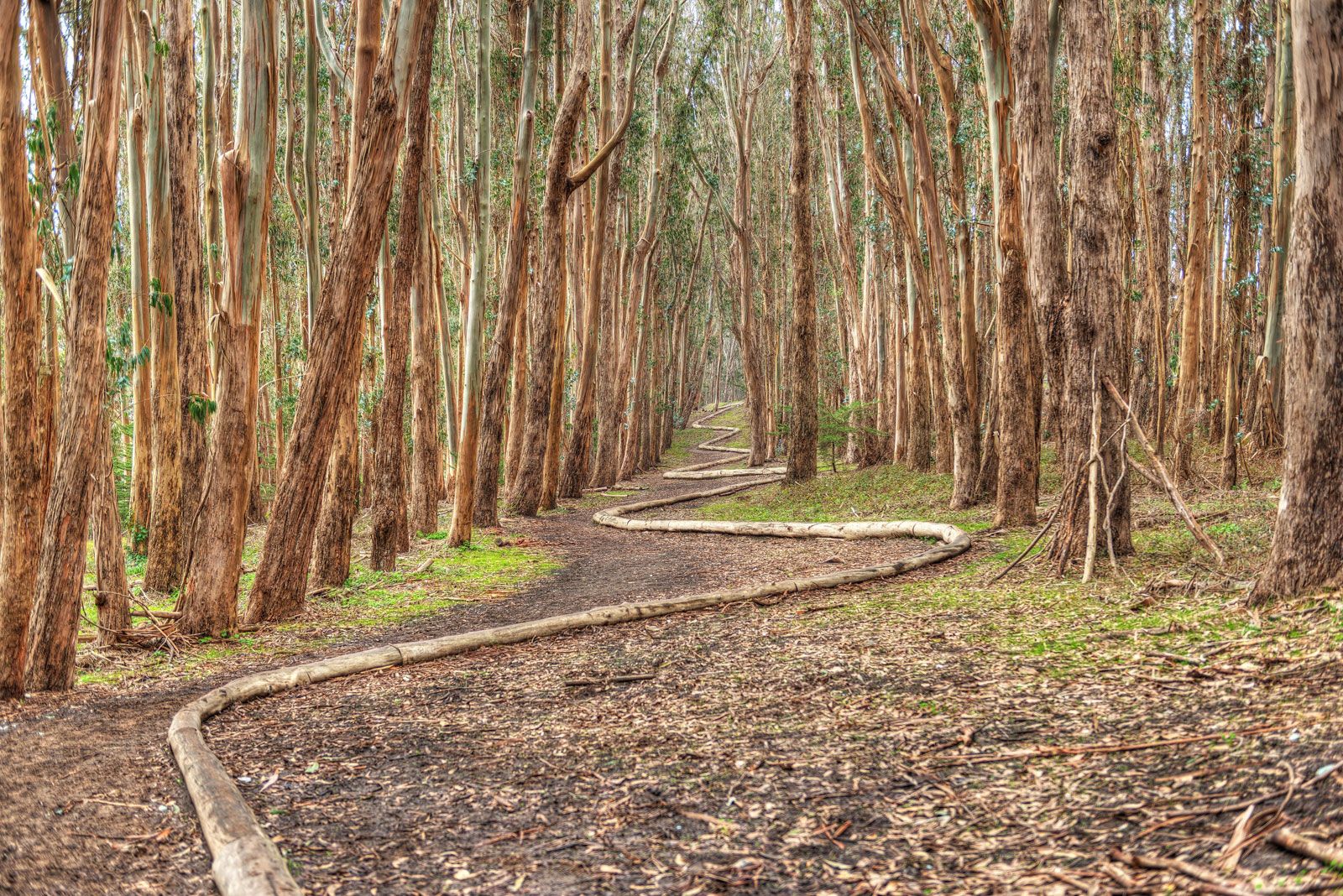
From 2008 Goldsworthy created a number of pieces for the Presidio, a park in San Francisco, including Spire (2008), Wood Line (2010–11), Tree Fall (2013), and Earth Wall (2014). Spire, a towering sculpture made from locally felled tree trunks and surrounded by saplings, was damaged in a fire in 2020, but it remained standing. Goldsworthy also constructed Walking Wall (2019) at the Nelson-Atkins Museum of Art, Kansas City, Missouri. The dry stone structure meanders from the nearby sculpture park and enters the museum via a glass wall.
The trusted destination for professionals, college students, and lifelong learners.
SUBSCRIBE


Exhibitions and recognition

Goldsworthy’s work was celebrated in a number of solo exhibitions, including an early traveling retrospective titled “Hand to Earth: Andy Goldsworthy: Sculpture: 1976–1990” (1990–91) that started at the Leeds Art Gallery, Leeds, England, and a major retrospective at the Yorkshire Sculpture Park (2007–08) in Wakefield, West Yorkshire. He was the subject of two documentary films by director Thomas Riedelsheimer: Rivers and Tides: Andy Goldsworthy Working with Time (2001) and Leaning into the Wind: Andy Goldsworthy (2017). From 2000 to 2008 Goldsworthy held the position of A.D. White Professor-at-Large at Cornell University in Ithaca, New York, U.S., and in 2000 he was made an Officer of the Order of the British Empire (OBE).