sweetening
Quick Summary
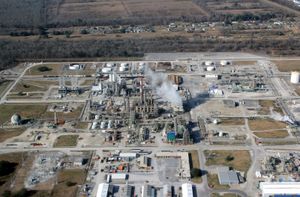
In petroleum refining, "sweetening" is a purification process that removes mercaptans, a type of sulfur compound, from petroleum products like gasoline and kerosene. Mercaptans have an unpleasant odor and can cause engine corrosion and interfere with exhaust systems.1
Sweetening processes work by oxidizing mercaptans into less harmful disulfides, which remain in the fuel. Catalysts are used to aid this oxidation. Historically, the "doctor process" using lead oxide was common, but it increased the overall sulfur content. More modern methods, like the copper chloride process, use a catalyst slurry and air to convert mercaptans to disulfides, after which the oil is washed and dried. This process is crucial for meeting environmental regulations on sulfur emissions.123
Ask Britannica AI about this topic
Britannica doesn't have a full article on this topic, so we've curated a list of our relevant coverage.