
direct-current circuit
Quick Summary

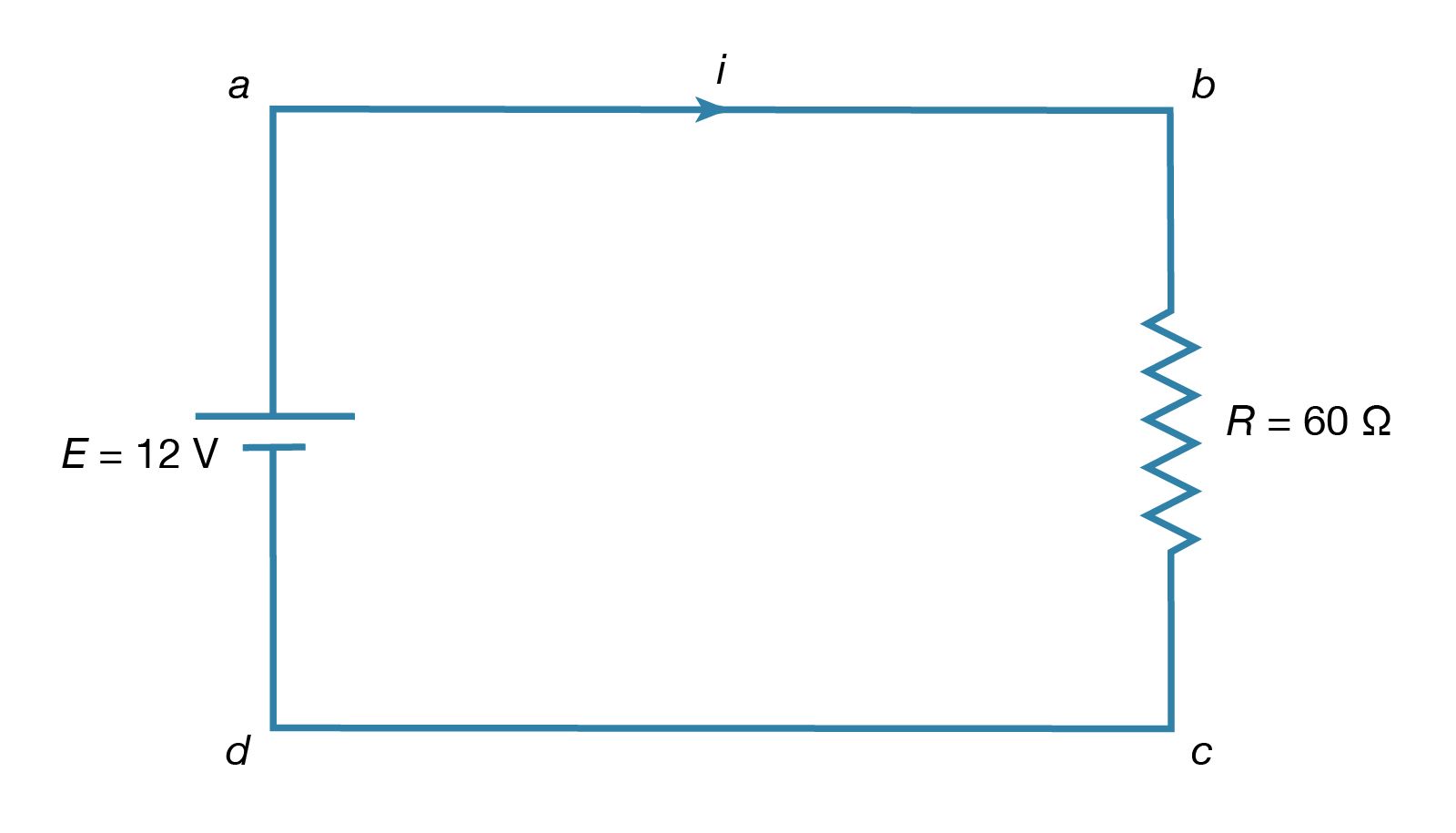
A direct-current (DC) circuit involves an electric current that flows in only one direction and remains relatively constant in value. The simplest DC circuit comprises a resistor connected to a source of electromotive force, such as a battery.12
Key principles governing DC circuits include:
* Ohm's Law: This law describes the relationship between voltage (V), current (I), and resistance (R). It states that current is directly proportional to voltage and inversely proportional to resistance, often expressed as (I = V/R).3
* Kirchhoff's Laws: These laws help analyze currents and voltages in more complex circuits. The first law states that the sum of currents entering a junction equals the sum of currents leaving it. The second law states that the sum of electromotive forces in a closed loop equals the sum of potential drops across components in that loop.4
In a DC circuit, energy is provided by the source and dissipated, typically as heat, by components like resistors.2
Ask Britannica AI about this topic
Britannica doesn't have a full article on this topic, so we've curated a list of our relevant coverage.