
conductance
Quick Summary
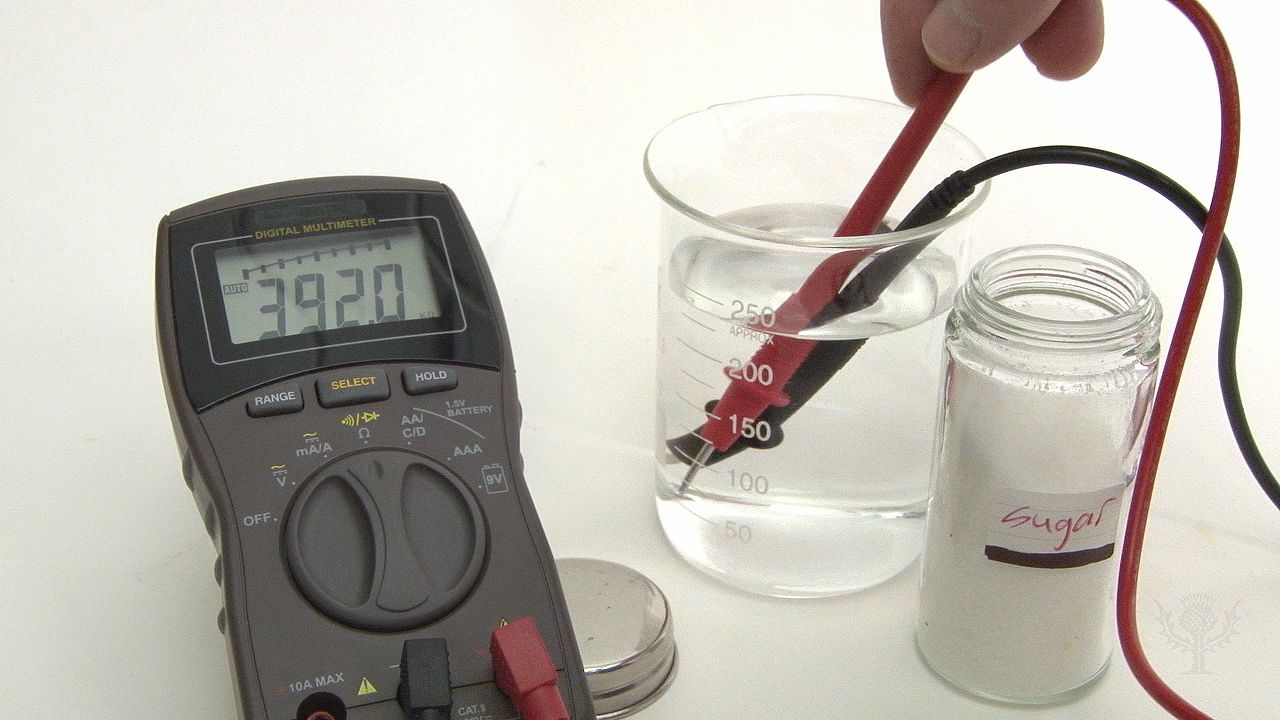
Conductance is a measure of how easily electric current flows through a material. It is the reciprocal of resistance, meaning that a material with low resistance will have high conductance, and vice versa. This property is crucial in electronics, as it helps determine how components will behave in a circuit.1
Materials vary in their ability to conduct electricity. Metals, like silver and copper, are excellent conductors due to their free electrons that can move easily. Other materials, such as plastics, are insulators because their electrons are restricted. Semiconductors, like silicon, fall in between, with conductivity that can be altered by temperature or impurities. Conductivity is a fundamental property that characterizes how well a material conducts electric current.234
Ask Britannica AI about this topic
Britannica doesn't have a full article on this topic, so we've curated a list of our relevant coverage.