aluminothermic process
Quick Summary
The aluminothermic process, also known as the Goldschmidt reduction process, is a metallurgical technique that uses finely divided aluminum to produce intense heat and reduce metal oxides. Invented by Hans Goldschmidt in 1905, this process involves the chemical reaction between aluminum and the oxygen from another metal's oxide, yielding aluminum oxide and the free metal.12
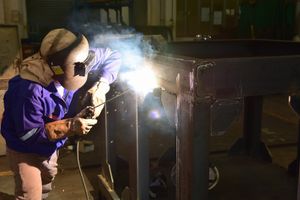
This method is employed to extract metals like chromium, manganese, and cobalt from their oxide ores. It is also utilized in welding, particularly for iron and steel, where iron oxides react with aluminum to generate molten iron and significant heat. The reaction temperature can reach approximately 2,400° C (4,400° F). While other methods exist for aluminum production, such as the Hall-Héroult electrolytic process, the aluminothermic reaction is a distinct and valuable technique in metallurgy.21345
Ask Britannica AI about this topic
Britannica doesn't have a full article on this topic, so we've curated a list of our relevant coverage.