
Why were ancient cargo ships designed with rounder hulls and higher sides?
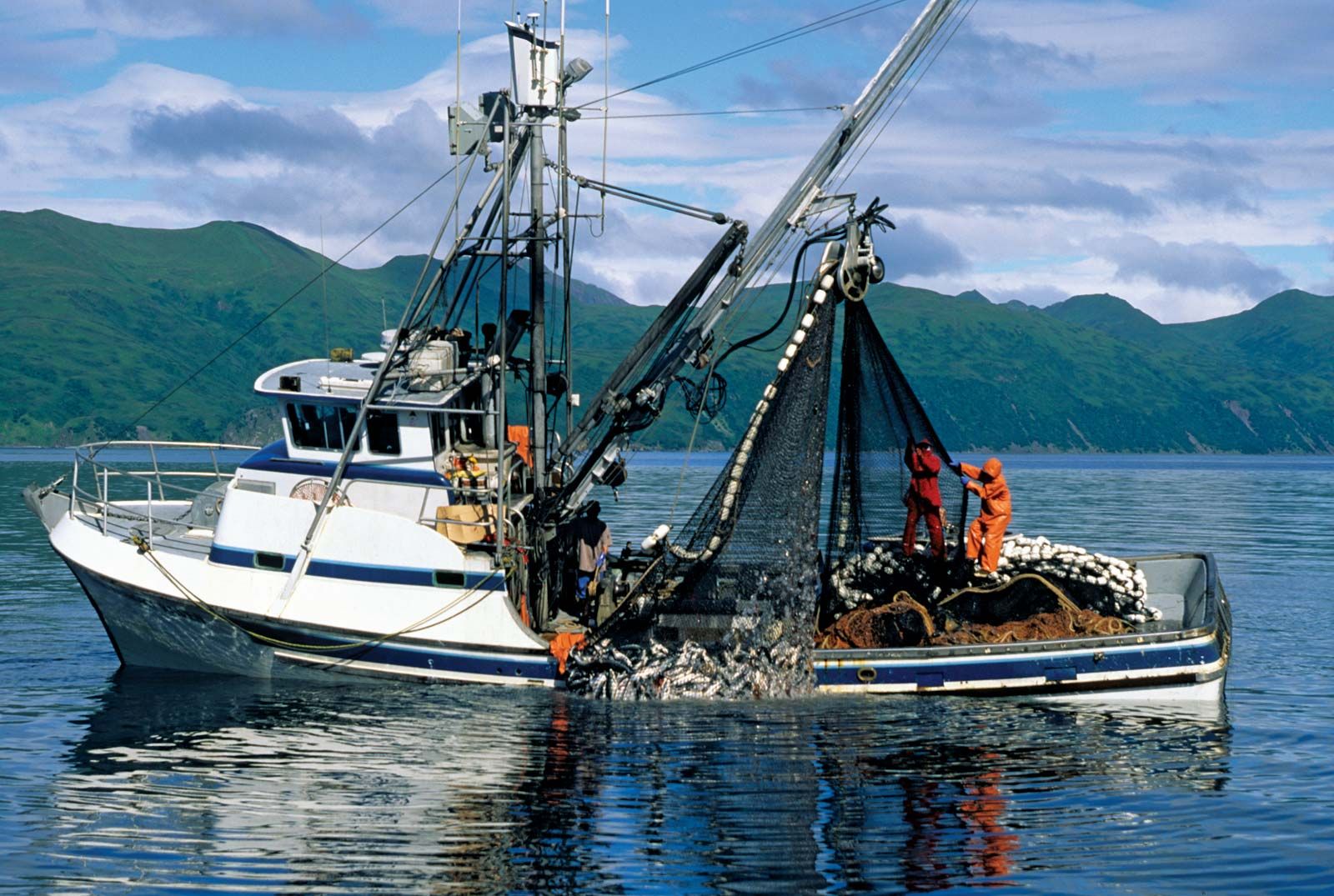
Ancient cargo ships were designed with rounder hulls and higher sides to optimize their primary function: transporting the maximum possible tonnage of goods with the smallest practical crew.1
The rounder hull shape allowed for greater internal volume, enabling these vessels to carry more cargo than the long, narrow designs used for warships, which were built primarily for speed and maneuverability.1
The increased height of the sides, known as freeboard, was essential for safety. In larger seas, the swell could easily swamp low-sided vessels, such as the galleys used by oarsmen. By increasing the freeboard, traders could navigate more effectively and safely in open waters, as the higher sides protected the ship from being overwhelmed by waves.1