
How are optical gyroscopes different from mechanical gyroscopes?
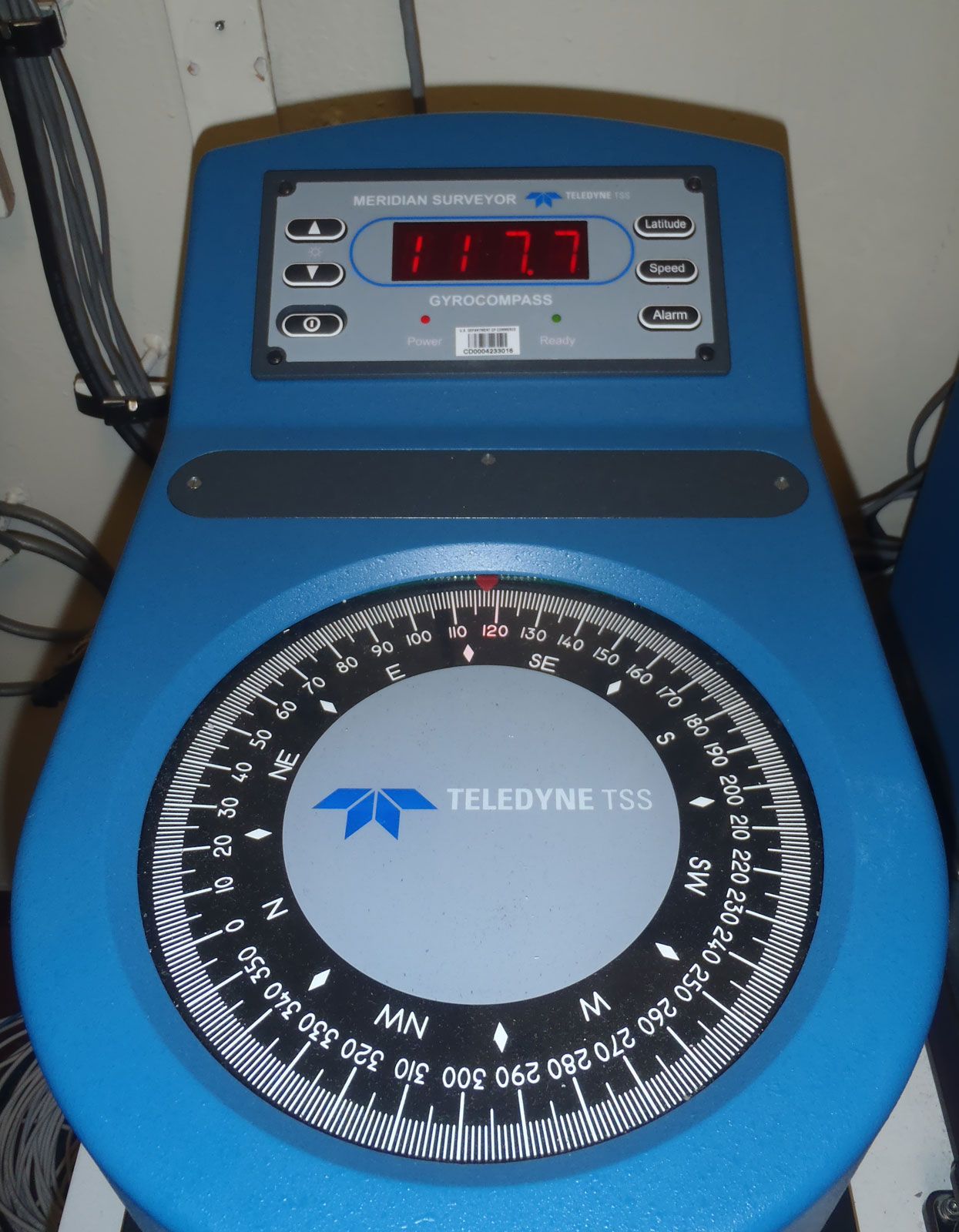
Mechanical and optical gyroscopes differ fundamentally in their construction and operating principles.
Mechanical gyroscopes rely on a rapidly spinning rotor mounted in gimbal rings. Their operation is based on the principle of angular momentum, which allows the rotor to maintain its original orientation in space even when the assembly is tilted.1
Optical gyroscopes, by contrast, have virtually no moving parts and are based on the Sagnac effect. In these devices, a beam of light is split and directed in opposite directions around a closed loop. When the device rotates, the beam traveling in the direction of rotation returns to the origin slightly later than the beam traveling in the opposite direction. This creates a measurable "fringe interference" pattern that indicates the rate of rotation.1
Common types of optical gyroscopes include:
* Ring laser gyroscopes: Use mirrors to reflect laser beams through hollow paths.1
* Fibre-optic gyroscopes: Route light through thin fibres wound around a spool.1