very-low-density lipoprotein
Quick Summary
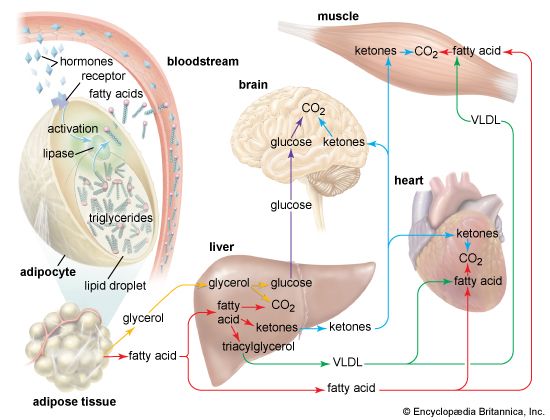
Very-low-density lipoprotein (VLDL) is a plasma lipoprotein primarily produced by the liver, with smaller contributions from the intestine. Lipoproteins are complex structures of lipids and proteins that transport fats throughout the body via the circulatory system. VLDL's main role is to deliver triglycerides, cholesterol, and fat-soluble vitamins to peripheral tissues.123
VLDL is characterized by a relatively high triglyceride content compared to its protein content. It is one of the major classes of circulating lipoproteins, alongside chylomicrons, intermediate-density lipoproteins (IDL), low-density lipoproteins (LDL), and high-density lipoproteins (HDL). When VLDL releases its triglycerides in tissues, it forms an intermediate-density lipoprotein (IDL) remnant that returns to the liver. High concentrations of lipoproteins can lead to their deposition on artery walls, contributing to atherosclerosis.1342
Ask Britannica AI about this topic
Britannica doesn't have a full article on this topic, so we've curated a list of our relevant coverage.