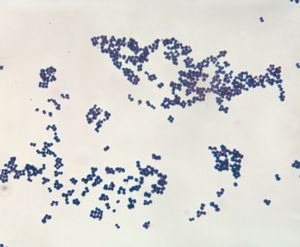
vancomycin-resistant Staphylococcus aureus
Quick Summary
Vancomycin-resistant Staphylococcus aureus (VRSA) is a strain of bacteria that has developed resistance to vancomycin, an antibiotic often used as a last resort for treating S. aureus infections. Staphylococcus aureus, commonly known as "staph," is a spherical bacterium found on human skin and mucous membranes. While often harmless, it can cause a range of infections, from skin conditions like boils and impetigo to more severe issues such as pneumonia, sepsis, and toxic shock syndrome.123
The development of antibiotic resistance in S. aureus, including methicillin-resistant S. aureus (MRSA), is a significant public health concern. The overuse of antibiotics, including vancomycin, has driven the emergence of VRSA, making infections difficult to treat. Preventing the spread of these resistant bacteria relies on good hygiene practices, such as thorough handwashing.132
Ask Britannica AI about this topic
Britannica doesn't have a full article on this topic, so we've curated a list of our relevant coverage.