

upper delta plain
Quick Summary
The upper delta plain is the most landward section of a delta, which is a low-lying plain formed by sediments deposited by a river at its mouth. This area begins where a river leaves its valley walls and its channels spread out, forming the apex of the delta. The entire upper delta plain is created by riverine processes and lies above the highest tidal level, meaning it is not influenced by marine actions. Between the river channels, you'll typically find freshwater marshes, swamps, or shallow lakes.12
Ask Britannica AI about this topic
Britannica doesn't have a full article on this topic, so we've curated a list of our relevant coverage.
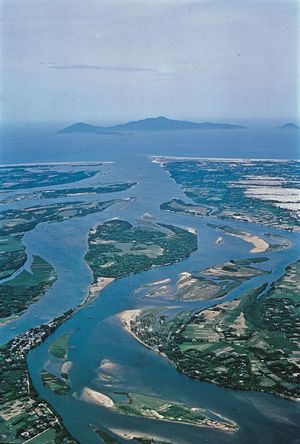 delta
…landward section is called the upper delta plain, the middle one the lower delta plain, and the third the subaqueous delta, which lies seaward of the shoreline and forms below sea level.
Read More…landward section is called the upper delta plain, the middle one the lower delta plain, and the third the subaqueous delta, which lies seaward of the shoreline and forms below sea level.
Read More riverMorphology of deltas
This point source of the upper delta plain can be thought of as the apex of the entire delta, which is analogous to the same reach of an alluvial fan. The entire upper delta plain is fluvial in origin except for marshes, swamps, and freshwater lakes that exist in areas…
Read MoreThis point source of the upper delta plain can be thought of as the apex of the entire delta, which is analogous to the same reach of an alluvial fan. The entire upper delta plain is fluvial in origin except for marshes, swamps, and freshwater lakes that exist in areas…
Read More