ultraviolet-visible spectrophotometry
Quick Summary
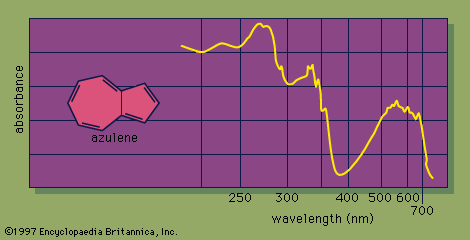
Ultraviolet-visible (UV-visible) spectrophotometry is a technique used in chemical analysis to measure how much electromagnetic radiation a substance absorbs. This method is particularly useful for organic compounds containing pi bonds, as these bonds can be excited by UV-visible light. The amount of light absorbed is related to the concentration of the substance and the path length of the light through the sample, as described by Beer's law. By analyzing the wavelengths of light absorbed, scientists can gain information about a molecule's structure and determine its concentration in a solution. This technique is valuable for both qualitative and quantitative analysis.123
Ask Britannica AI about this topic
Britannica doesn't have a full article on this topic, so we've curated a list of our relevant coverage.