

- Also called:
- recreational therapy or therapeutic recreation
- Related Topics:
- therapeutics
- recreation

recreation therapy
-
What is recreation therapy?
Recreation therapy is the use of recreation by trained therapists to improve the health and well-being of people with illnesses and disabilities. It aims to promote independent living through carefully selected activities.
Recreation therapy follows a clinical process that includes assessment, planning, implementation, transition planning, and evaluation to document the outcomes of interventions. Recreation has many benefits, including physical and cognitive health, psychosocial health, personal development, and satisfaction.
Therapists work in various settings, including hospitals, schools, and community centers. Interventions include music, sports, and stress management, tailored to each client’s goals.
1 Britannica SourceCreated from Britannica articles using AI. AI can make mistakes, so verify using Britannica articles. -
Who can benefit from recreation therapy?
Recreation therapy benefits a diverse range of individuals, including those with mental health and geriatric conditions, developmental disabilities, addiction recovery, and those undergoing physical rehabilitation. It assists people in managing stressors, coping with aging transitions, and maintaining physical and psychological health. Recreation therapy is applied using a clinical process to maximize the likelihood that services are individualized, purposeful, outcome-focused, and effective. Interventions can include aquatics therapy, wheelchair sports, music, horticulture, creative arts, exercise programs, and stress-management therapy, depending on the unique needs and goals of each client.
1 Britannica SourceCreated from Britannica articles using AI. AI can make mistakes, so verify using Britannica articles. -
What kinds of activities are used in recreation therapy?
Recreation therapy employs various activities to help people with illnesses and disabilities improve their health and well-being. These activities are implemented by qualified recreation therapists in different settings, such as hospitals, schools, and community centers.
Recreation therapy interventions can include aquatics therapy, wheelchair sports, music, horticulture, creative arts, exercise programs, and stress-management therapy. Recreation therapists follow a systematic approach involving assessment, intervention planning and implementation, transition planning, and evaluation to maximize the effectiveness of their interventions.
1 Britannica SourceCreated from Britannica articles using AI. AI can make mistakes, so verify using Britannica articles. -
What does a recreation therapist do?
A recreation therapist uses recreation-based interventions to improve the health and well-being of people with illnesses and disabilities. They work in various settings such as hospitals, schools, and community centers.
Recreation therapists follow a clinical process that includes assessment, planning, implementation, transition planning, and evaluation to ensure that interventions are purposeful and effective. Interventions include activities like music, sports, and exercise programs. The goal is to help people reduce stress, cope with aging, and maintain their physical and psychological health.
1 Britannica SourceCreated from Britannica articles using AI. AI can make mistakes, so verify using Britannica articles. -
How does recreation therapy help with mental and physical health?
Recreation therapy uses recreation to help people function independently and improve their health. It helps people with various conditions, including mental health issues, disabilities, and addiction recovery. Recreation therapy can improve physical health, cognitive function, and psychosocial health. It can also help with personal growth, life satisfaction, and overall health outcomes.
Qualified recreation therapists use a clinical process that includes assessment, planning, implementation, transition planning, and evaluation to ensure that interventions are effective and tailored to the individual's needs. Interventions include activities like sports, music, and exercise programs.
1 Britannica SourceCreated from Britannica articles using AI. AI can make mistakes, so verify using Britannica articles. -
In what settings is recreation therapy commonly provided?
Recreation therapy is often provided in hospitals and treatment facilities, based on the idea that recreation has therapeutic value. Recreation therapists historically worked in hospitals or long-term care, especially in psychiatric or physical medicine services, or in nursing homes. Today, they work in a broader range of environments, such as inpatient and outpatient health care, schools, and community or home-based contexts. Interventions can include aquatics therapy, wheelchair sports, music, horticulture, creative arts, exercise programs, and stress-management therapy, depending on client needs.
1 Britannica SourceCreated from Britannica articles using AI. AI can make mistakes, so verify using Britannica articles.
recreation therapy, use of recreation by qualified professionals (recreation therapists) to promote independent functioning and to enhance the health and well-being of people with illnesses and disabling conditions. Recreation therapy often occurs in hospitals and other treatment facilities and is based on the simple premise that recreation has therapeutic value. Various researchers have found that recreation can assist people in managing and reducing the impact of stressors in their lives, in coping with the transitions of aging, and in maintaining overall physical and psychological health. Recreation has been found to have therapeutic benefits in (1) physical health and health maintenance, (2) cognitive functioning, (3) psychosocial health, (4) growth and personal development, (5) personal and life satisfaction, and (6) societal and health care system outcomes.
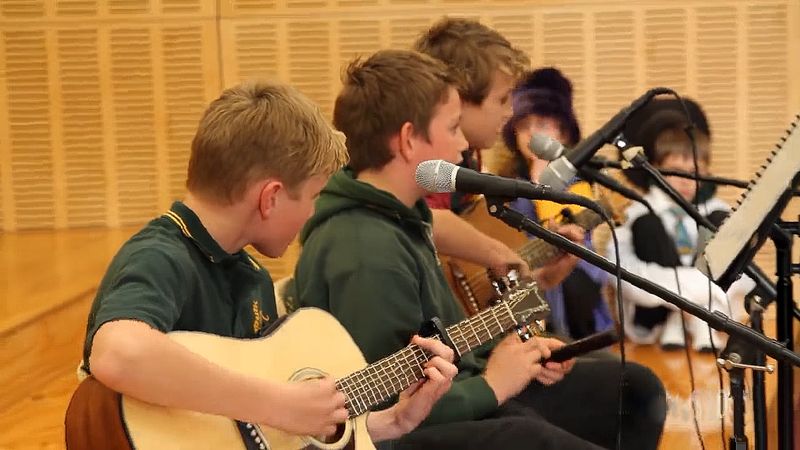
Recreation therapy can be beneficial for a wide range of individuals, including those with mental health and geriatric conditions, those with developmental disabilities, those recovering from addiction, and those undergoing physical rehabilitation. Historically, most recreation therapists worked either in hospitals or in long-term care settings, especially in psychiatric services, physical medicine services, or nursing homes, but today recreation therapists work in a broader range of environments, including inpatient and outpatient health care settings in many service areas, schools, and community or home-based contexts. Interventions can include aquatics therapy, wheelchair sports, music, horticulture, creative arts, exercise programs, and stress-management therapy, depending on the unique needs and goals of each client.
Models of recreation therapy
As recreation therapy has evolved over the years, several different models, or sets of assumptions and beliefs, have emerged. For example, the medical model assumes that growth and development are predictable biological processes. This model holds that there is a “normal” and an “abnormal” way to grow and develop and that health represents an absence of illness or symptoms while illness represents a breakdown of biological processes. The goal of treatment is the removal of symptoms of illness, and the health care provider possesses the knowledge, expertise, and ability to restore the individual to a state of health.



 " height="20" alt="HEW Logo">
Working within the medical model, the recreation therapist takes the role of the expert who determines the problems to be addressed, the desired outcomes of treatment, and the specifics of how the intervention will occur. The goal of the recreation therapist’s interventions would be to remove or reduce the symptoms of the illness or disability. The client’s role is to simply comply as closely as possible with the therapist’s instructions and recommendations.
In contrast, a wellness-oriented model is based on the assumption that growth and development are unique to each individual and occur in response to both internal biology and a supportive and nourishing environment. Here health represents a full and optimal expression of the individual’s capacities and uniqueness, while illness represents a restricted or limited expression of the self and occurs in response to an interaction between internal and environmental conditions. The goal of treatment is to enable the person to fully experience individual uniqueness and health, and the health care provider cannot control the process of healing but rather can only support it.
The recreation therapist working within a wellness model tends to take the role of a facilitator and supporter. The recreation therapist collaborates with the client in defining the problem, the desired outcome, and the means of achieving that outcome. The client, rather than being asked to comply, is asked to be an expert on his or her own health and is asked to join actively with the therapist in their common pursuit.
Process of recreation therapy intervention
The practice of recreation therapy encompasses a wide and varied spectrum of individuals, interventions, activities, and contexts. Recreation therapy applies a “clinical process” to provide consistency. Regardless of the context or content of the intervention, recreation therapists follow a systematic sequence of assessment, planning the intervention, implementing the intervention, planning for transition, and evaluation to systematically document the outcomes of their interventions. Those processes and activities maximize the likelihood that the services provided by the recreation therapist are individualized, purposeful, outcome-focused, and, ultimately, effective.
The trusted destination for professionals, college students, and lifelong learners.
SUBSCRIBE


Assessment is the first step undertaken by the recreation therapist. That sets the direction for the “purposeful intervention” by enabling the therapist to focus specifically on the strengths, needs, and health concerns of the individual being served. Assessment may be defined as a systematic process of gathering and synthesizing information about an individual and his or her world to determine the most-effective course of intervention. Some assessments are standardized, while some are more flexible, allowing the therapist more latitude in how and when to administer them. Generally, it is recommended that more than one method be used to gain the most accurate and complete picture of the individual. An effective assessment will provide information about the individual’s functioning at the beginning of the intervention, his or her desires and goals for intervention, and some possible ways to structure the intervention. It also provides a baseline against which to measure progress and outcomes.
In the planning phase (sometimes called “treatment planning,” “individualized program planning,” or “care planning,” depending on the setting), the strengths, needs, and goals of the individual as well as the expertise and contributions of the therapist are organized into a coherent plan that maximizes the chance that the individual will reach the desired outcomes. Many settings have particular guidelines or requirements for the development and formatting of intervention plans. In some, the recreation therapist will develop specific recreation goals. For example, the objective for a patient to be able to fish independently is a possible goal for an individual who has experienced a stroke and needs to master the use of adaptive equipment to continue his or her most valued-pursuit, fishing. In other settings the recreation therapist will develop goals pertaining to aspects of functioning that are more generalized and are attainable through participation in recreation. For example, the objective for the client to reduce perceived levels of stress through increased physical activity is a possible goal for an individual who is experiencing symptoms of anxiety disorder.
The next phase of the recreation therapy process is implementation, or the actual delivery of services. Recreation therapists have many options for their interventions. A significant portion of the recreation therapist’s training is devoted to studying and mastering those intervention options. Interventions may be conducted one-on-one or in groups. Ideally, the needs and preferences of the client and the professional judgment of the therapist should drive the decision about how services are offered. Both one-on-one and group contexts have advantages and appropriate uses. One-on-one services allow for maximum flexibility and move at the client’s own pace. They allow the therapist to devote all attention to the individual client, which may be important when a great deal of hands-on assistance is needed. Group interventions, on the other hand, allow for the development of interpersonal relationships and for the reinforcement and encouragement that arise from working together with a group of peers.
Services may be provided in a relatively segregated setting, such as a classroom or treatment centre, or in an inclusive setting, such as a restaurant or movie theatre. It is common practice in recreation therapy interventions to deliver interventions in both settings in a sequenced manner, so that the client may receive instruction and rehearsal opportunities in the safety of the classroom but then will have the opportunity to master those skills in their natural environment. Such interventions begin with support and then move toward increased independence.
The next phase of the recreation therapy process is called “discharge planning” in inpatient, residential, or medical-model outpatient facilities or “transition planning” in educational contexts. It gives the individual and the therapist the chance to look at what has been accomplished, at what challenges will emerge in the future, and at what supports are needed as the individual becomes more independent.
Ideally, transition planning should begin during treatment, so that the client will have the opportunity to plan for and, preferably, visit or experience some of the settings that will be encountered in the next phase of that person’s life. Comprehensive transition planning involves exploring the places, persons, opportunities, and resources that will be part of the individual’s life and identification of the next steps for that person’s development.
The final phase of the recreation therapy process is evaluating the intervention’s effectiveness. As with transition planning, the therapist does not wait until the end of the intervention to evaluate its effectiveness; rather, built-in mechanisms are already in place for evaluation or monitoring along the way. Various aspects of the intervention may be evaluated depending on the requirements and needs of the setting, including attainment of identified goals, effectiveness of the intervention over time, satisfaction with services for clients and families, and cost-effectiveness of services.