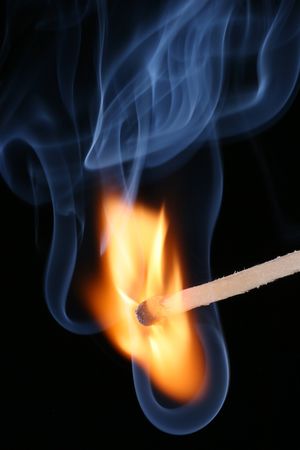
phosphorus match
Quick Summary
A match is a tool for starting a fire, typically a splinter of wood or cardboard tipped with a substance that ignites through friction. The head of a match contains chemicals that initiate combustion. For "strike-anywhere" matches, the head includes phosphorus, which ignites easily with friction. "Safety matches" require a specially prepared striking surface that contains ingredients to help ignite the match head.1
The chemicals in a match head include oxidizing agents like potassium chlorate to supply oxygen, binders to hold the ingredients together, and sometimes glass to regulate the burn. Early matches, like the "promethean match," involved glass beads containing sulfuric acid or tubes coated with phosphorus, but these were often inconvenient and unsafe. The invention of red phosphorus, a less toxic form, led to the development of safety matches in the mid-19th century. Modern matches continue to utilize phosphorus compounds for ignition.1
Ask Britannica AI about this topic
Britannica doesn't have a full article on this topic, so we've curated a list of our relevant coverage.