percutaneous umbilical blood sampling
Quick Summary
Percutaneous umbilical blood sampling (PUBS) is a rare and relatively high-risk medical procedure used for prenatal diagnosis. It is typically performed only in unusual cases when other diagnostic methods are not suitable.1
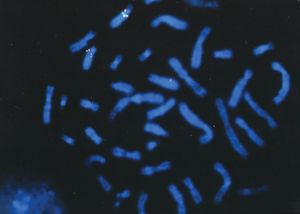
PUBS involves obtaining a blood sample directly from the umbilical cord of a fetus. This allows for detailed genetic and chromosomal analysis, which can help identify potential health issues or genetic disorders in the unborn child.1
While PUBS can provide crucial information, it carries a higher risk of complications compared to less invasive prenatal tests like amniocentesis or chorionic villus sampling. Due to these risks, it is reserved for specific situations where the diagnostic benefits are deemed to outweigh the potential dangers.1
Ask Britannica AI about this topic
Britannica doesn't have a full article on this topic, so we've curated a list of our relevant coverage.