

ohm-metre
Quick Summary
The ohm-metre is the unit of electrical resistivity in the metre-kilogram-second (mks) system. Resistivity is a fundamental property of a material that quantifies its opposition to the flow of electric current. It is calculated by multiplying the electrical resistance of a conductor by its cross-sectional area and dividing by its length (\u03c1 = RA/l).1
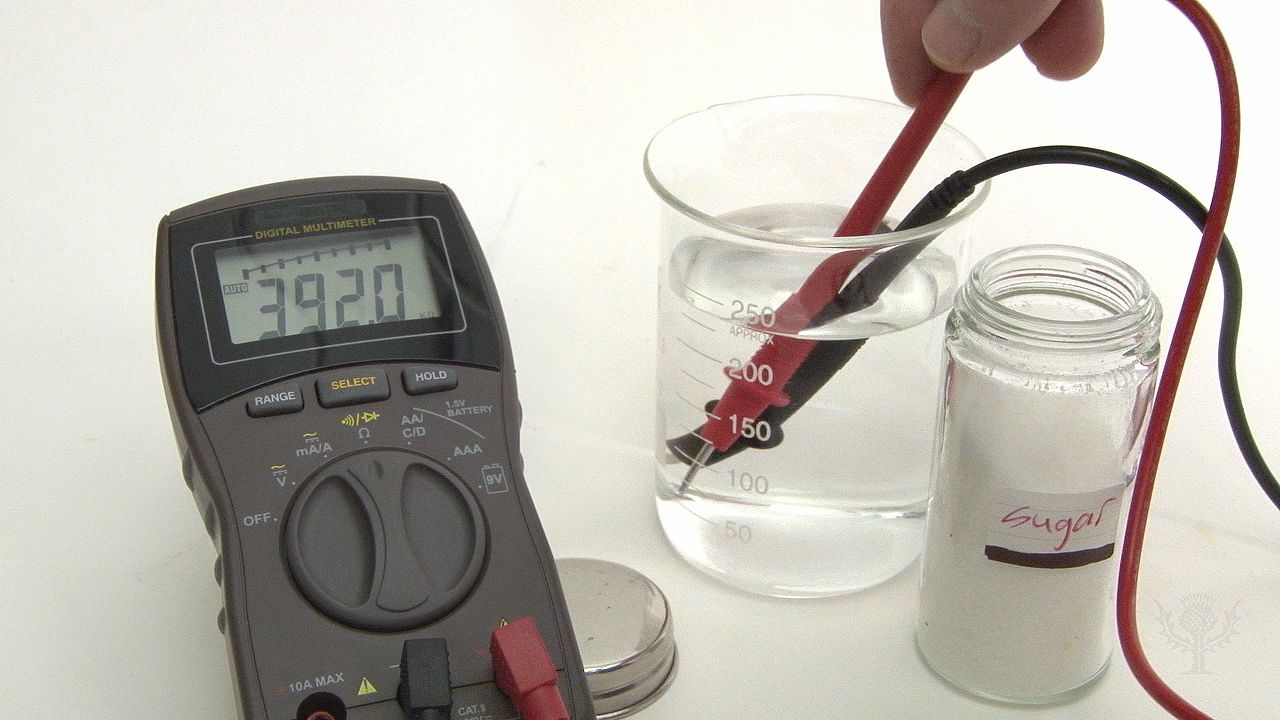
An ohmmeter is an instrument used to measure electrical resistance, which is expressed in ohms. High resistances are measured in megohms (106 ohms) using a megohmmeter. Materials with high resistivity are poor conductors of electricity. For example, copper has a resistivity of 1.77 × 10⁻⁸ ohm-metre at 20°C.321
Ask Britannica AI about this topic
Britannica doesn't have a full article on this topic, so we've curated a list of our relevant coverage.