neurogenesis
Quick Summary
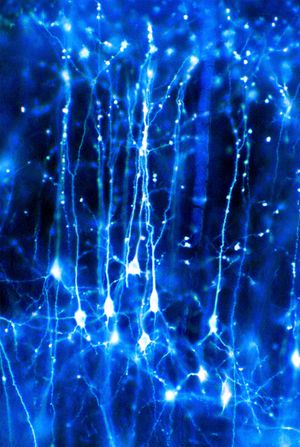
Neurogenesis is the biological process of creating new neurons. In humans, almost all neurons are generated during prenatal development. The nervous system begins to form around 18 days after conception with the development of a neural plate. This process involves rapid cell division and differentiation, with an average of 2.5 million neurons generated per minute prenatally to form approximately one trillion neurons in the mature brain. These neurons form complex circuits with trillions of synapses. While genetic code plays a role, environmental stimuli are also crucial for proper neuronal development and fine-tuning synaptic connections. In adulthood, neurogenesis is limited, and while some neurons are lost daily, the brain can adapt through the formation of new connections and branches.12
Ask Britannica AI about this topic
Britannica doesn't have a full article on this topic, so we've curated a list of our relevant coverage.