
- Also known as:
- cleptoparasitism
- Related Topics:
- parasitism


kleptoparasitism
What is kleptoparasitism?
What is the difference between obligate and facultative kleptoparasites?
What are examples of kleptoparasitic animals?
What is brood parasitism?
What risks do kleptoparasites face?
kleptoparasitism, feeding strategy in which one animal steals food or materials from another. Kleptoparasitism is found across many species, including mammals, birds, sea creatures, and insects. The practice can be intraspecific (stealing from the same species) or interspecific (between multiple species). The word kleptoparasitism is a compound that combines the Greek kleptes, which means “thief,” with parasitism and literally means “parasitism by theft.”
Behavior
Animals participate in kleptoparasitism either to save the time and energy that would normally be spent obtaining food or objects (such as nest materials), or to obtain prey or objects they wouldn’t be able to procure on their own. For some animals kleptoparasitism is opportunistic, making up a small part of their foraging practices, whereas other animals engage in it much more frequently, or even exclusively. There are two types of kleptoparasites: obligate and the more common facultative. Obligate kleptoparasites are entirely dependent on other animals to supply their food, whereas facultative kleptoparasites can also forage or hunt on their own. One obligate parasite is the pea crab, which resides within bivalves such as oysters and steals their food.
Some kleptoparasites steal from animals that have specialized feeding abilities. For example, diving birds that find prey on the sea floor and bring it to the water’s surface may be targeted by gulls that are unable to go deep underwater. Kleptoparasites may target members of their same species (intraspecific) or different species (interspecific). Emery’s rule, created in 1909 by entomologist Carlo Emery, notes that kleptoparasitism is most often between closely related species. Although kleptoparasites may save energy by stealing, they risk getting hurt if their target defends itself. Targets often use defensive techniques to ward off kleptoparasites, such as when African wild dogs form larger groups to protect their kill from hyenas.



 " height="20" alt="HEW Logo">

Brood parasitism is a specific case of kleptoparasitism in which kleptoparasites do not directly eat the target’s food. Instead, they use the energy expended by the target in nest building or child care. The cuckoo, which lays eggs in other bird species’ nests, is the most well-known example of brood parasitism.
Examples

Many types of animals are kleptoparasites, from small insects to large mammals. Gulls steal food from other birds and, in some cases, from human beachgoers. In their turn, gulls, as well as terns, can have their food stolen by skuas. Chinstrap penguins take nest-building materials like rocks from other members of their colony. Bald eagles steal prey from smaller ospreys midflight. Frigate birds hover above seabird nesting colonies and steal food from parent birds returning to their nests after hunting or foraging. Carrion crows at a refuse dump in Spain were seen lying in wait for starlings to find food in garbage piles and then stealing it.
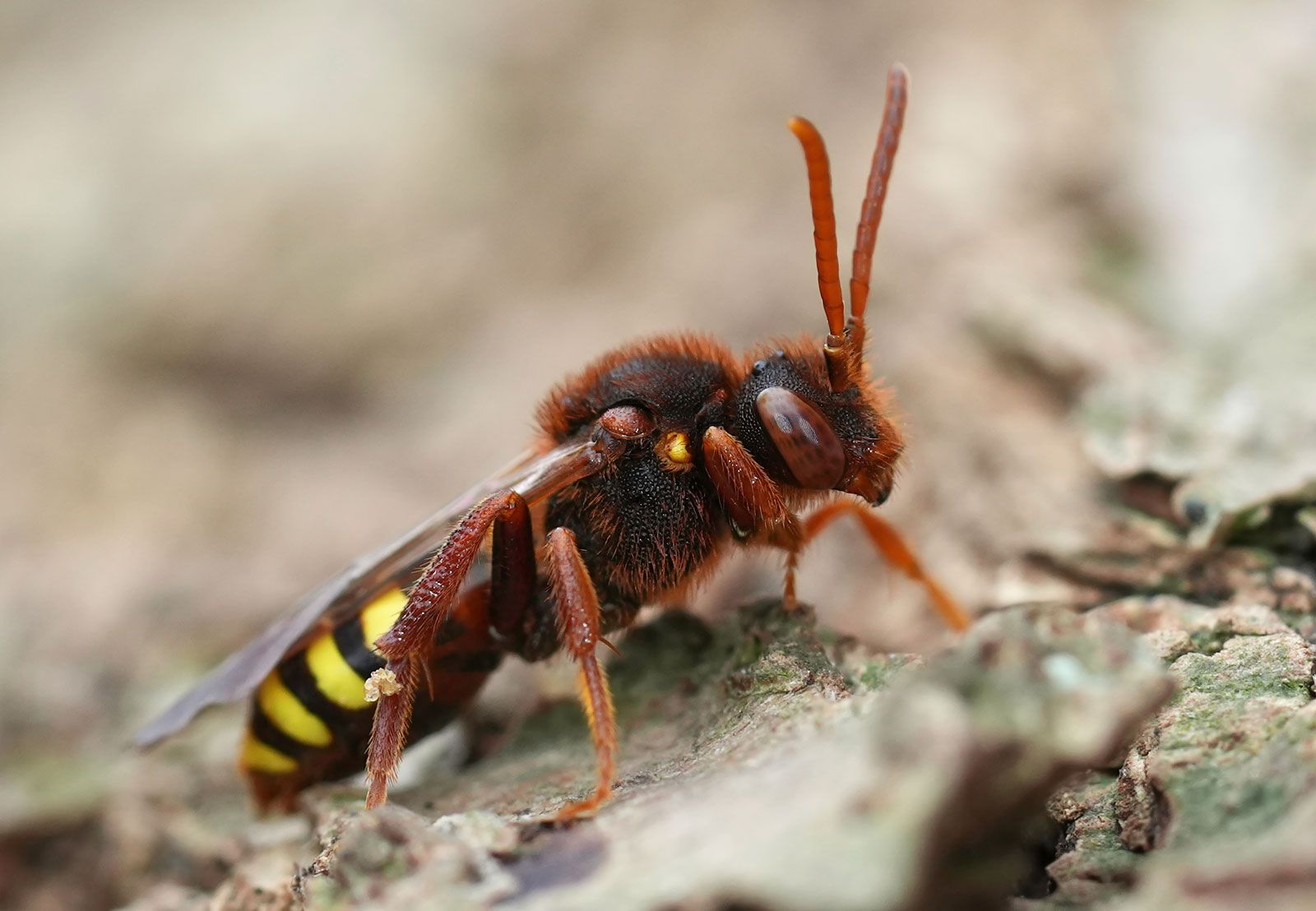
The more than 3,000 species of cuckoo bees, like their namesake bird, lay their eggs in other bees’ nests. The cuckoo bees’ eggs hatch first, giving the larvae access to the sustenance saved for the target’s larvae before they then eat the target larvae. Sweat bees and cuckoo wasps have also exhibited such behavior. Dung beetles often steal material collected by larger beetles. Water crickets steal a portion of prey caught by other water crickets, especially when the prey is large and the water cricket that hunted it is unable to effectively defend it. Kleptoparasite arachnids include dewdrop spiders, which not only steal food caught in other spiders’ webs, but can also take over the entire web and, on occasion, devour the original host.
Aquatic kleptoparasites include sperm whales, which have stolen food caught in commercial fishing equipment. One study of sperm whales in the Gulf of Alaska found that they were responsible for an estimated 15 percent loss of sablefish caught by commercial longlines.
The trusted destination for professionals, college students, and lifelong learners.
SUBSCRIBE



A well-known example of a kleptoparasite mammal is the hyena. Hyenas steal prey killed by other carnivores such as African wild dogs and even big cats such as lions, cheetahs, and leopards, using their strength in numbers to chase the original hunter away from its kill. Leopards sometimes store their prey in trees to keep it out of reach of hyenas. Lions may also engage in kleptoparasitism, stealing food from hyenas. Chipmunks have been known to raid the burrows of other squirrels and steal seeds. Some bat species have been observed listening in on other bats’ echolocation calls to find prey.

Some scientists consider humans to be kleptoparasites, as humans may consume prey killed by other large carnivores, or steal food from other humans. Additionally, beekeeping to procure honey can be considered kleptoparasitism.