
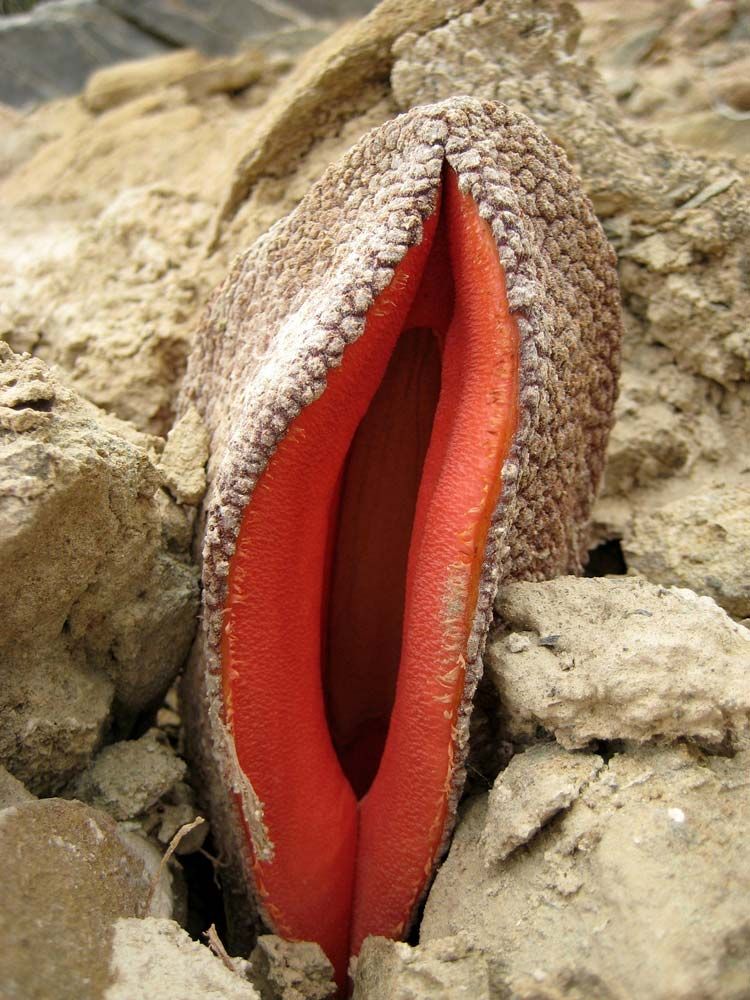

holoparasitism
Quick Summary

Holoparasitism describes a type of parasitic plant that is entirely dependent on a host plant for survival. These plants, such as dodder, lack chlorophyll and cannot perform photosynthesis. Instead, they obtain all necessary water and nutrients by penetrating the host with a specialized organ called a haustorium. This haustorium forms a vascular connection, allowing the holoparasite to extract resources directly from the host, often causing significant damage. Unlike hemiparasites, which can photosynthesize to some degree, holoparasites are completely heterotrophic and cannot survive without a host.12
Ask Britannica AI about this topic
Britannica doesn't have a full article on this topic, so we've curated a list of our relevant coverage.

