
high tide
Quick Summary

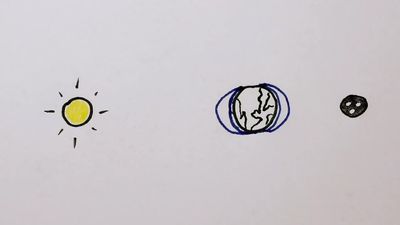
High tide is the point when the ocean's water reaches its greatest elevation. The primary cause of tides is the gravitational pull of the Moon and, to a lesser extent, the Sun on Earth. This gravitational force creates bulges of water on the side of Earth facing the Moon and on the opposite side, resulting in two high tides and two low tides approximately every 12 hours and 25 minutes. When the Sun and Moon align, their combined gravitational forces cause spring tides, which have the largest tidal range. Conversely, neap tides occur when the Sun and Moon are at right angles, resulting in the smallest tidal range. Factors like continents and water depth can influence tidal patterns.12
Ask Britannica AI about this topic
Britannica doesn't have a full article on this topic, so we've curated a list of our relevant coverage.