genetic heterogeneity
Quick Summary
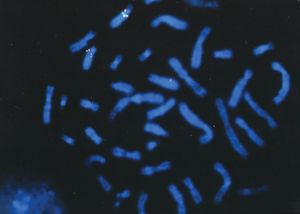
Genetic heterogeneity refers to the phenomenon where different genetic alterations can lead to the same or similar traits or diseases. This can occur when mutations in different genes result in the same clinical disorder, or when multiple different mutations within the same gene can cause the same disease.1
For example, some genetic diseases are caused by mutations in mitochondrial DNA, which are inherited maternally. The severity of these conditions can vary due to factors like heteroplasmy, which is the presence of both normal and mutated mitochondrial DNA within a cell.2
In contrast, "homogenetic" is an adjective meaning homogenous.3
Ask Britannica AI about this topic
Britannica doesn't have a full article on this topic, so we've curated a list of our relevant coverage.