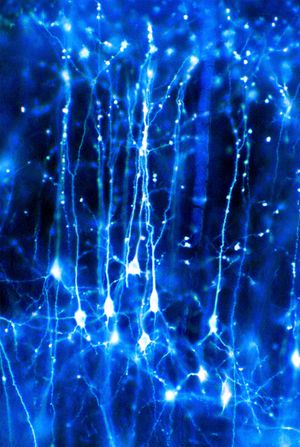
cross-modal reassignment
Quick Summary
Cross-modal reassignment is a form of neuroplasticity, which is the brain's ability to change and adapt. Specifically, it involves the brain rerouting sensory input from a deprived sense to an area that normally processes a different sense.
For example, in individuals who are blind from birth, the visual cortex can process information from touch. Similarly, in deaf individuals, auditory areas of the brain may become active when processing visual or touch information. This reorganization allows the brain to compensate for sensory deficits. The effectiveness of treatments like cochlear implants can be affected by the extent of this cross-modal reorganization. The timing of sensory deprivation and individual experiences play a role in how this adaptation occurs.1
Ask Britannica AI about this topic
Britannica doesn't have a full article on this topic, so we've curated a list of our relevant coverage.