

coppice dune
Quick Summary

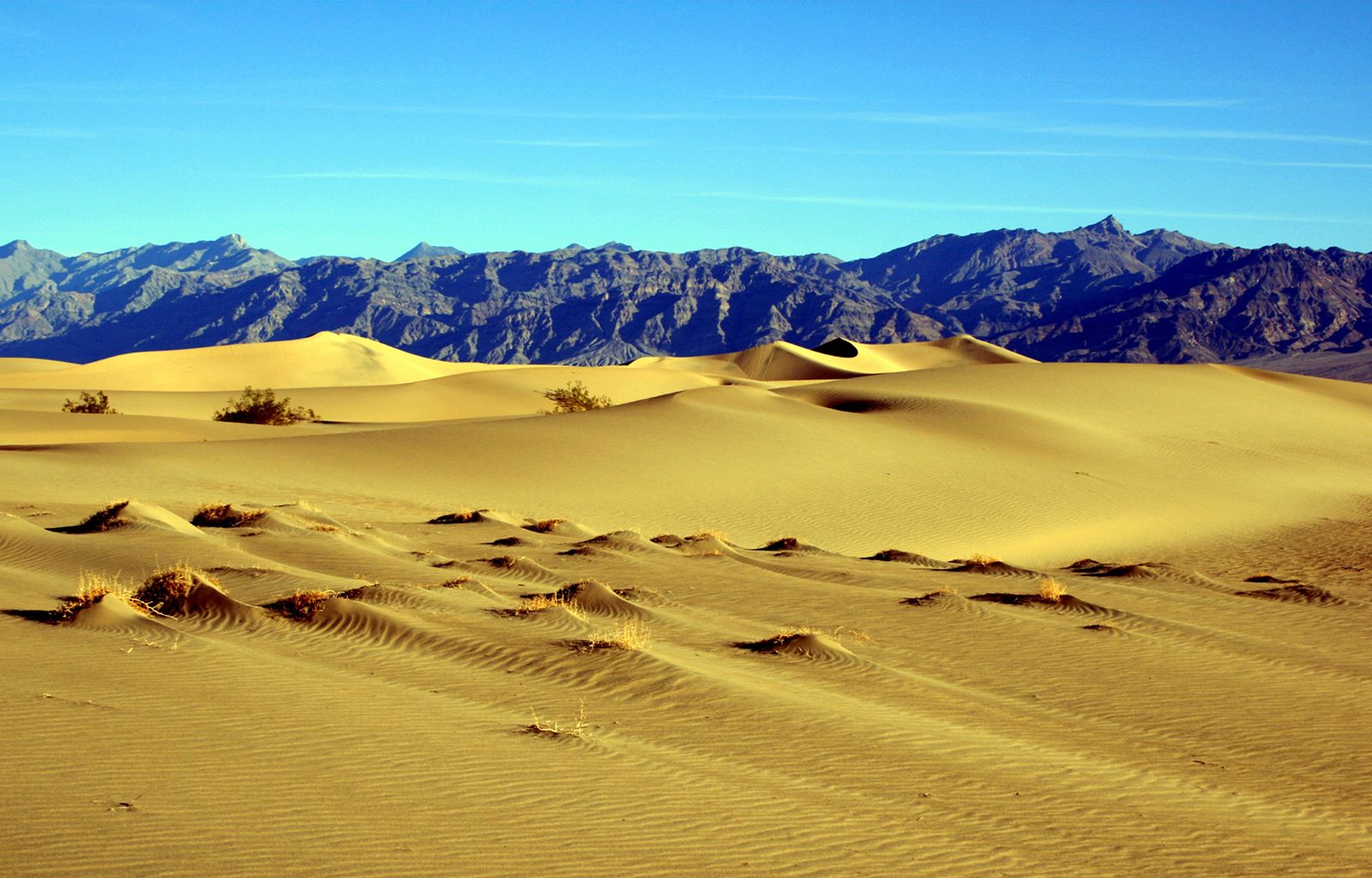
A coppice dune, also known as a nebkha, is a small mound of sand that forms around a plant in arid or semi-arid regions where groundwater is available for vegetation. These dunes are distinct from true dunes, which are larger accumulations of sand shaped solely by wind and gravity.1
Coppice dunes are typically found on the backshore of beaches or in desert environments where vegetation can anchor the sand. Sediment is carried by the wind and deposited where an obstruction, such as a plant, hinders its further transport. If sediment supply is consistent and erosion doesn't destroy them, these small sand accumulations can develop into foredunes, which are the seawardmost line of coastal dunes. This process contributes to coastal progradation, or the growth of land seaward.2
While true dunes can cover vast areas, coppice dunes are generally smaller, isolated mounds formed around individual plants. They serve as evidence of past arid conditions in regions that may now be more humid, as vegetation can stabilize older dune formations.1
Ask Britannica AI about this topic
Britannica doesn't have a full article on this topic, so we've curated a list of our relevant coverage.
 sand duneFixed dunes in semiarid regions
These forms are known as coppice dunes, or nebkha. Further, in many regions that are now subhumid or humid, one finds areas of older dunes fixed by vegetation, providing undeniable evidence that these regions were once more arid than they are today. On the North American high plains, in Hungary,…
Read MoreThese forms are known as coppice dunes, or nebkha. Further, in many regions that are now subhumid or humid, one finds areas of older dunes fixed by vegetation, providing undeniable evidence that these regions were once more arid than they are today. On the North American high plains, in Hungary,…
Read More- coastal landformsCoastal dunes
Small wind-shadow dunes, or coppice mounds, actually may form on the backshore of the beach. If sediment continues to be supplied and beach erosion does not destroy them, these small sand accumulations will become foredunes, the seaward-most line of coastal dunes. It is in this fashion that a coast…
Read MoreSmall wind-shadow dunes, or coppice mounds, actually may form on the backshore of the beach. If sediment continues to be supplied and beach erosion does not destroy them, these small sand accumulations will become foredunes, the seaward-most line of coastal dunes. It is in this fashion that a coast…
Read More