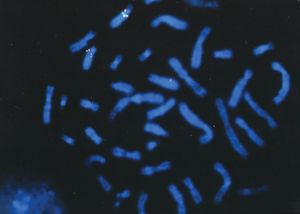
clotting factor VIII
Quick Summary
Factor VIII is a crucial glycoprotein in blood plasma that is essential for blood clotting. It is also known as the antihemophilic factor. A deficiency or inactivity of factor VIII leads to hemophilia A, a hereditary bleeding disorder where blood does not clot properly. This can cause excessive bleeding, even from minor injuries, and can lead to severe anemia or death. Bleeding into joints is also common in individuals with hemophilia A, potentially causing swelling and impaired function.123
Factor VIII is synthesized in various tissues and is a key component in the intrinsic pathway of blood coagulation. It is a labile clotting factor found in plasma and cryoprecipitate, and it can be administered as a concentrate to treat hemophilia A. Modern treatments also include factor VIII made through recombinant DNA technology. Hemophilia A is a sex-linked recessive disease, primarily affecting males.4532
Ask Britannica AI about this topic
Britannica doesn't have a full article on this topic, so we've curated a list of our relevant coverage.