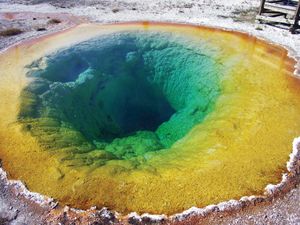
chlorophyll a
Quick Summary
Chlorophyll a is a crucial pigment essential for photosynthesis, the process by which light energy is converted into chemical energy. It is found in virtually all photosynthetic organisms, including green plants, algae, and cyanobacteria. Chlorophyll a, along with chlorophyll b, are the primary pigments in higher plants and green algae, giving them their characteristic green color. These pigments are located within organelles called chloroplasts, specifically in structures known as thylakoids. Chlorophyll absorbs light energy, which then drives the conversion of carbon dioxide into carbohydrates. The molecule itself consists of a central magnesium atom surrounded by a porphyrin ring and a phytol chain.1
Ask Britannica AI about this topic
Britannica doesn't have a full article on this topic, so we've curated a list of our relevant coverage.