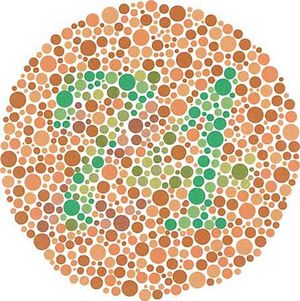
blue-yellow colour blindness
Quick Summary
Blue-yellow color blindness, also known as tritanopia, is a rare form of color vision deficiency where individuals have difficulty distinguishing between blue and yellow hues. This condition arises from issues with the blue cones in the retina, which are responsible for perceiving shorter wavelengths of light.123
Unlike red-green color blindness, which is sex-linked, blue-yellow color blindness is an autosomal dominant disorder, meaning it can be inherited from either parent. While congenital cases exist, acquired blue-yellow color blindness can also develop later in life due to diseases like glaucoma or diabetes, or from exposure to certain drugs.2
Ask Britannica AI about this topic
Britannica doesn't have a full article on this topic, so we've curated a list of our relevant coverage.