
Britannica
Sources used in this answer
Why do hydrogen atoms and molecular fragments sometimes stop a combustion chain reaction?
Created from Britannica articles
using AI.
AI can make mistakes, so verify using Britannica articles.
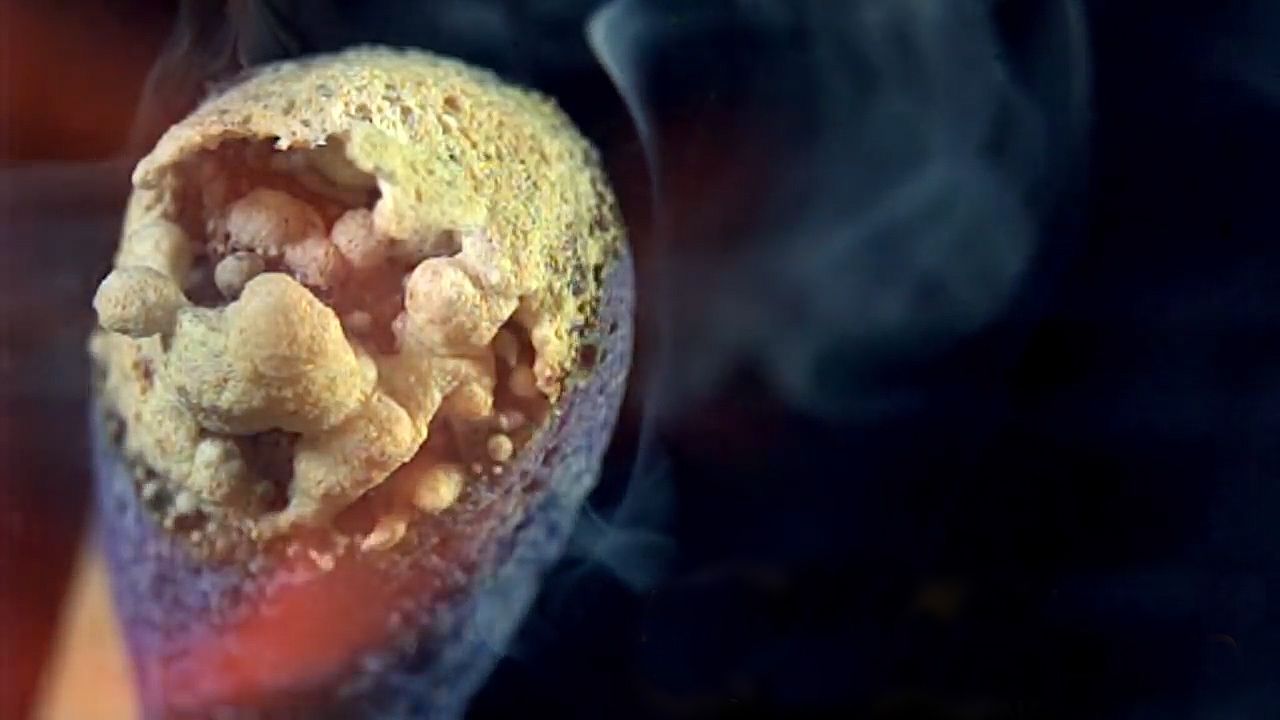
combustion
Learn about the chemistry of lighting a match.
In the context of combustion, a chain reaction relies on the continuous propagation of highly reactive intermediates, such as atoms and radicals. These species sustain the reaction by interacting with other molecules to generate further reactive particles.12
A combustion chain reaction stops—or terminates—when these active particles are removed from the system, preventing them from continuing the cycle. This termination occurs primarily through two mechanisms:
- Recombination: Individual atoms and molecular fragments collide and recombine to form stable, non-reactive molecules, thereby neutralizing the reactive species that drive the chain.1
- Adsorption: Active particles can be removed from the reaction environment when they are adsorbed onto solid surfaces, which effectively traps them and prevents them from participating in further chemical steps.1
By understanding these termination processes, scientists can derive rate constants that allow for the quantitative description of critical combustion characteristics, including ignition delays, burning velocity, and explosion limits.1