
Why can hot environments cause mammals to eat less?
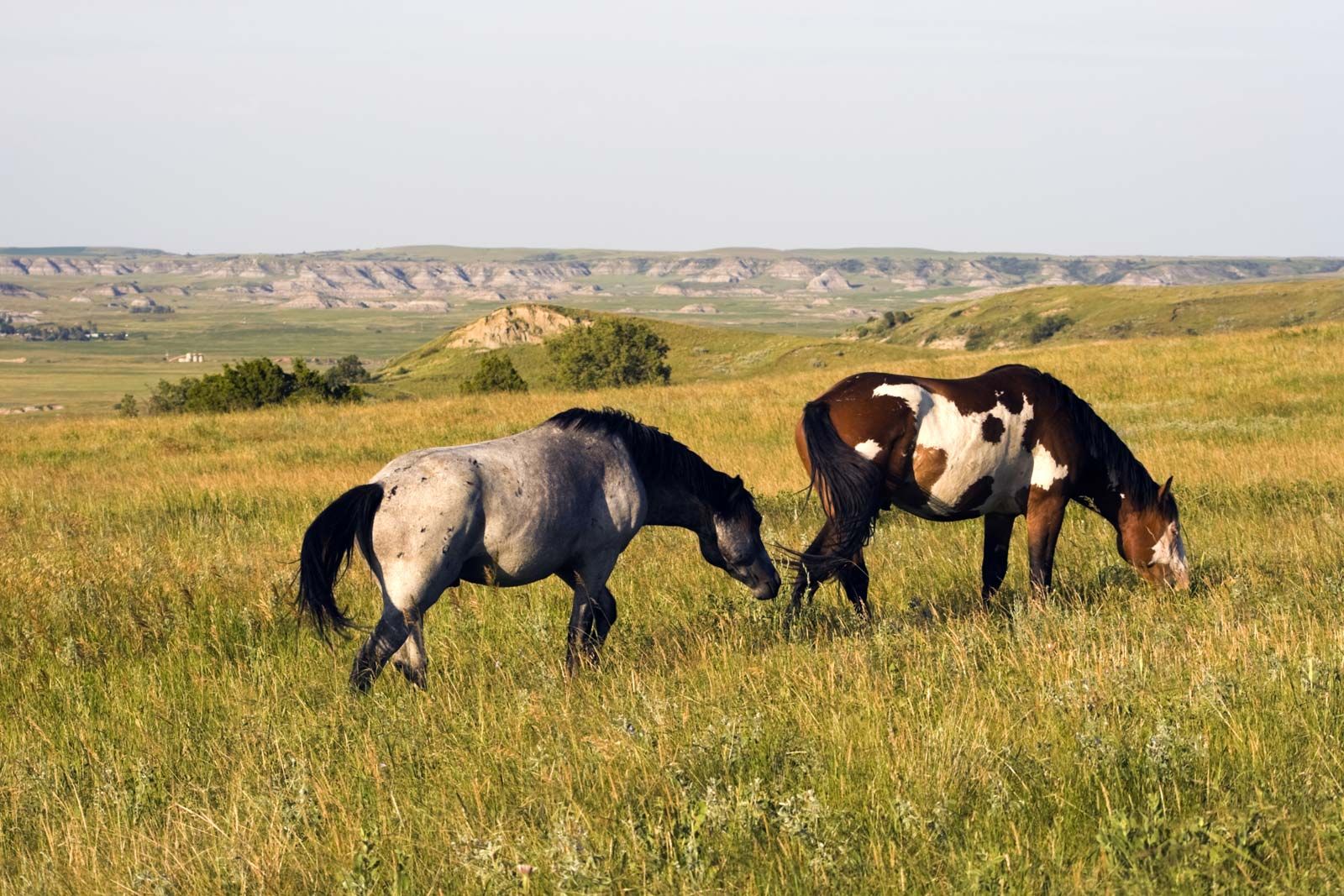
In hot environments, mammals often experience a decrease in food intake as part of their thermoregulation process. This behavioral adjustment is linked to the hypothalamus, which serves as a critical control center for both body temperature and feeding motivation.123
The primary reason for this reduction in appetite is that the digestion and metabolism of food generate internal heat, known as thermogenesis. In a hot environment, where an animal is already struggling to dissipate excess heat to maintain a stable body temperature, the additional heat produced by processing food becomes a physiological burden.41
Research indicates that the neurons in the hypothalamus are sensitive to the temperature of the blood passing through them. When blood temperature rises, these sensors can trigger a sensation of thirst while simultaneously suppressing hunger. By eating less, the mammal reduces the metabolic heat load on its body, helping it avoid overheating and maintain homeostatic balance.31