
Britannica
Sources used in this answer
What determines the burning velocity of a premixed flame?
Created from Britannica articles
using AI.
AI can make mistakes, so verify using Britannica articles.
combustion
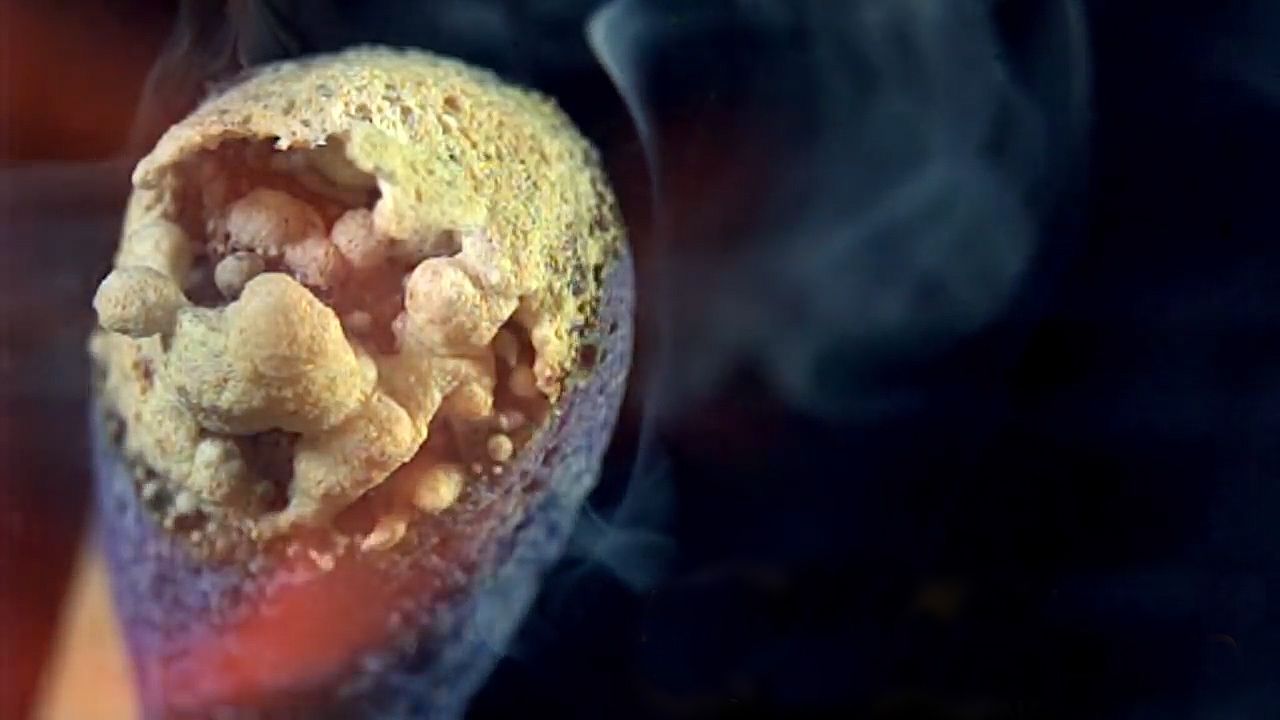
Learn about the chemistry of lighting a match.
The fundamental burning velocity of a premixed flame is a quantitative characteristic determined by several key factors:
- Mixture Properties: It depends on the chemical and thermodynamic properties of the fuel-oxidant mixture.1
- Molecular Structure: The burning velocity is influenced by the molecular structure of the fuel, which dictates its specific reactivity.1
- Environmental Conditions: The velocity is affected by the ambient pressure and temperature under which the combustion occurs.1
- Heat Loss: The rate is also dependent on the specific conditions of heat loss from the system.1
The propagation of the flame itself is driven by two essential processes: the transport of heat energy from the combustion zone to the unburned mixture via thermal conductivity, and the diffusion of active radicals from the flame front into the unburned mixture to trigger ignition. Diluting the mixture with inert gases lowers the temperature and reaction rate, which can ultimately extinguish the flame.12